
Paint protection film (PPF) and ceramic coating are not competing products; they solve different problems and work best together. PPF is a physical barrier that absorbs rock chips and road debris, while ceramic coating is a chemical shield that repels water, UV rays, and contaminants. The right choice depends on your driving habits, local climate, and budget. Many drivers benefit from both.
Why This Decision Matters More Than Most Drivers Realize
Paint damage is quietly expensive. According to AAA, a mid-range professional repaint runs between $1,000 and $4,500, and that figure climbs sharply for luxury vehicles or multi-panel repairs. A single rock chip left unsealed can spread into a rust patch. A single hailstorm on an unprotected hood can generate thousands of dollars in bodywork. The economics of paint protection are not about luxury spending; they are about avoiding much larger, unpredictable costs down the road.
The U.S. paint protection film market was valued at $105.04 million in 2023 and is projected to grow at a 6.2% compound annual rate through 2030. That growth reflects a shift in how vehicle owners think about their cars, not as depreciating appliances, but as assets worth preserving. Globally, Fortune Business Insights projects the PPF market will climb from $630.84 million in 2025 to over $1 billion by 2034. Paint protection is becoming mainstream, and for good reason.
At CDC Detailing LLC, we field this question every week: PPF or ceramic coating? The honest answer is that the products are designed to complement each other, but the right combination depends on your specific situation. This guide will walk you through both options in real depth, including the questions most comparison articles never ask.
What Is the Difference Between PPF and Ceramic Coating?
Paint protection film is a thermoplastic urethane film, typically 6 to 8 millimeters thick, that adheres directly to your vehicle’s clear coat. It is a physical layer, meaning it takes the hit so your paint does not have to. When a piece of gravel strikes a PPF-covered hood, the film absorbs the impact and, in the case of premium self-healing films, the surface returns to its original state when exposed to heat from sunlight or warm water. The self-healing property works through a memory polymer that relaxes surface-level abrasions, though it has limits; deep gouges that penetrate the film entirely will not vanish on their own.
Ceramic coating is a liquid polymer that chemically bonds to your paint or to the surface of PPF. It does not add meaningful thickness or impact resistance. What it does is create a semi-permanent hydrophobic layer that causes water, bird droppings, road grime, and UV radiation to bead off rather than bond to the surface. A properly applied ceramic coating dramatically reduces the effort required to keep a car clean, and it provides meaningful protection against oxidation and paint fading over time.
The critical distinction: PPF stops physical damage. Ceramic coating stops chemical and environmental damage. They address almost entirely different threat categories, which is exactly why the best installations combine both.
Is PPF Better Than Ceramic Coating?
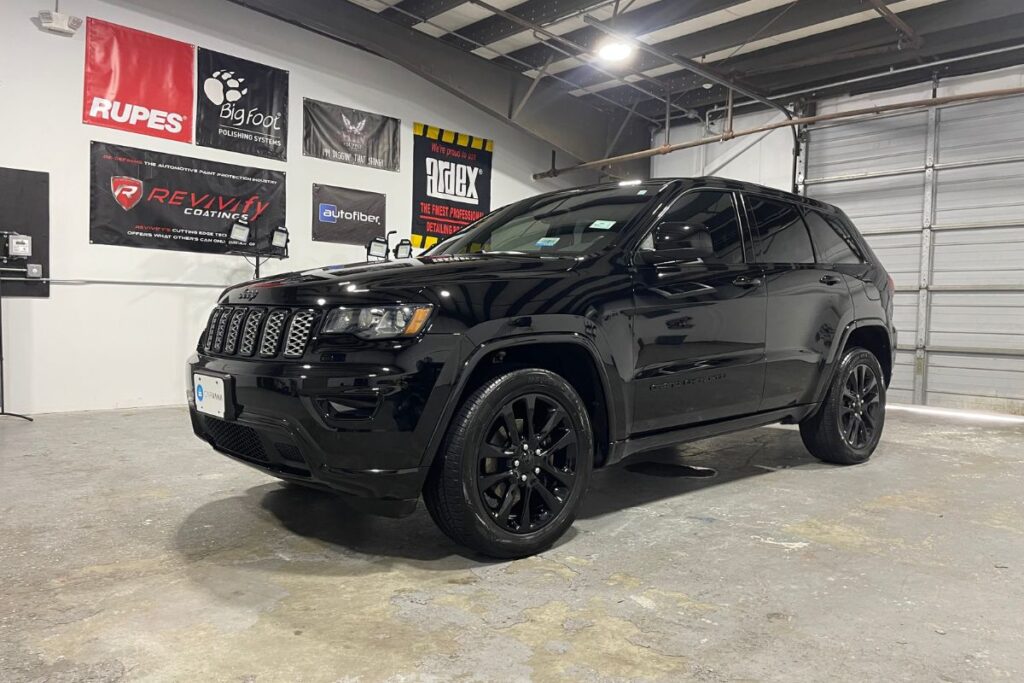
This is the wrong question, but it is the one most people search for, so it deserves a direct answer. PPF is better for physical protection. Ceramic coating is better for environmental protection and long-term maintenance. Neither product replaces the other. A car with full-body PPF and no ceramic coating will develop water spots and require more upkeep. A car with a premium ceramic coating and no PPF will still chip on highway drives and gravel roads.
The more useful question is: where are your biggest risks? If you drive daily on highways, live in an area with gravel roads, harsh winters, or road salt, or frequently travel through construction zones, PPF delivers the most meaningful ROI. If your primary concern is UV fading, water spot etching, bird dropping damage, or simply wanting a car that stays cleaner longer with minimal effort, ceramic coating is the priority.
For most drivers, the answer is a tiered approach: full-front PPF coverage on the highest-impact zones, topped with a ceramic coating over the entire vehicle. The ceramic coating goes on last, bonding over the film on protected panels and directly to the paint on unprotected ones, giving you a unified hydrophobic surface across the entire car.
Can You Put Ceramic Coating Over PPF? And Does Order Matter?
Yes, and order matters enormously. PPF must always be applied to bare, corrected paint first. The film is engineered to bond directly to your clear coat. If ceramic coating has already been applied, the slick, low-surface-energy layer it creates makes it significantly harder for the PPF adhesive to grip properly. Bubbling, lifting edges, and premature failure become real risks.
The correct sequence is: paint correction first (removing any swirls, scratches, or oxidation), then PPF installation on the panels you want physical protection for, then ceramic coating applied over everything. This layered approach means the ceramic coating protects the PPF from contamination and UV degradation, extending the life of both products simultaneously.
Most generic comparison articles skip this detail entirely. Installers who do not mention it, or who offer to apply ceramic first and PPF later as a money-saving workaround, are telling you something important about their process.
How Long Does PPF Last vs. Ceramic Coating?
Premium PPF installations from top-tier films carry manufacturer warranties of 10 years. Real-world lifespan depends heavily on installation quality, exposure conditions, and maintenance habits, but a properly installed film from a certified shop will typically perform well for 7 to 10 years before yellowing or lifting becomes a concern. Budget films and improper installation dramatically shorten that window.
Ceramic coatings range widely. Entry-level consumer-grade products last 1 to 2 years. Professional-grade coatings applied by trained installers carry warranties from 3 years up to lifetime coverage on premium packages. The chemistry and application environment matter: coating in a climate-controlled, dust-free space allows the product to cure without contamination, while a garage installation on a humid evening produces inconsistent results.
How Much Does Paint Protection Film Cost? A Realistic Breakdown
| Coverage Level | What’s Included | National Price Range |
|---|---|---|
| Partial / Entry | Hood leading edge, front bumper | $500 – $1,200 |
| Full Front Package | Full hood, bumper, fenders, mirrors, A-pillars | $1,500 – $3,000 |
| Track Pack | Full front + rocker panels + door edges | $2,200 – $4,000 |
| Full Body PPF | All panels, full vehicle coverage | $5,000 – $8,000+ |
| Ceramic Coating (Basic) | 2-year professional grade | $500 – $1,000 |
| Ceramic Coating (Mid) | 5-year professional grade | $1,500 – $2,000 |
| Ceramic Coating (Premium) | 10+ year/lifetime warranty | $2,500 – $3,500+ |
| Paint Correction (if needed) | Pre-installation surface prep | $300 – $2,000+ |
Regional context matters here. Shops in smaller markets typically price 10 to 20 percent below major metro rates. Midwest benchmarks for full-body PPF run approximately $4,999 to $6,999, with full-front packages in the $1,699 to $1,899 range. Vehicle size adds 20 to 40 percent to material costs, and complexity, such as curved rooflines, intricate trim, or recessed panels, increases labor time and cost. Some dealerships are now incorporating PPF into financing at purchase, spreading the cost across 48 to 72 months at $60 to $120 per month.
Should You Get PPF or Ceramic Coating on a New Car?
For a new car, this is one of the best investments you can make, and timing is the key advantage. A new vehicle has no swirl marks, no oxidation, and no paint defects. You skip the paint correction stage entirely, which reduces your total cost and means the protection goes onto a flawless surface. Every mile you drive unprotected is a mile of permanent risk to a surface that cannot be restored to factory condition.
The decision on coverage level comes down to how you use the vehicle. A daily driver that sees highway miles, parking garage door dings, and winter road salt is a strong candidate for full-front PPF at a minimum, with a mid-tier ceramic coating over the entire car. A weekend car that lives in a garage and mostly sees clean roads can get strong results from a premium ceramic coating alone, with targeted PPF on the highest-risk zones.
Does PPF Add Resale Value?
Not in a direct, blue-book-formula way, but the impact on resale is real. Kelley Blue Book’s condition categories, from excellent through poor, directly affect trade-in and private sale values. Faded paint, rock chips, and surface scratches push a car from “good” to “fair” condition, a gap that can represent hundreds to thousands of dollars depending on the vehicle. PPF keeps paint in excellent condition longer, which preserves that condition rating.
Beyond objective conditions, buyer psychology plays a role. A car sold with documented PPF coverage signals an owner who cared about maintenance. That perception adds negotiating leverage. Industry estimates suggest PPF contributes $500 to $2,000 in perceived resale value depending on vehicle price, coverage level, and age of the film.
What Are the Disadvantages of PPF?
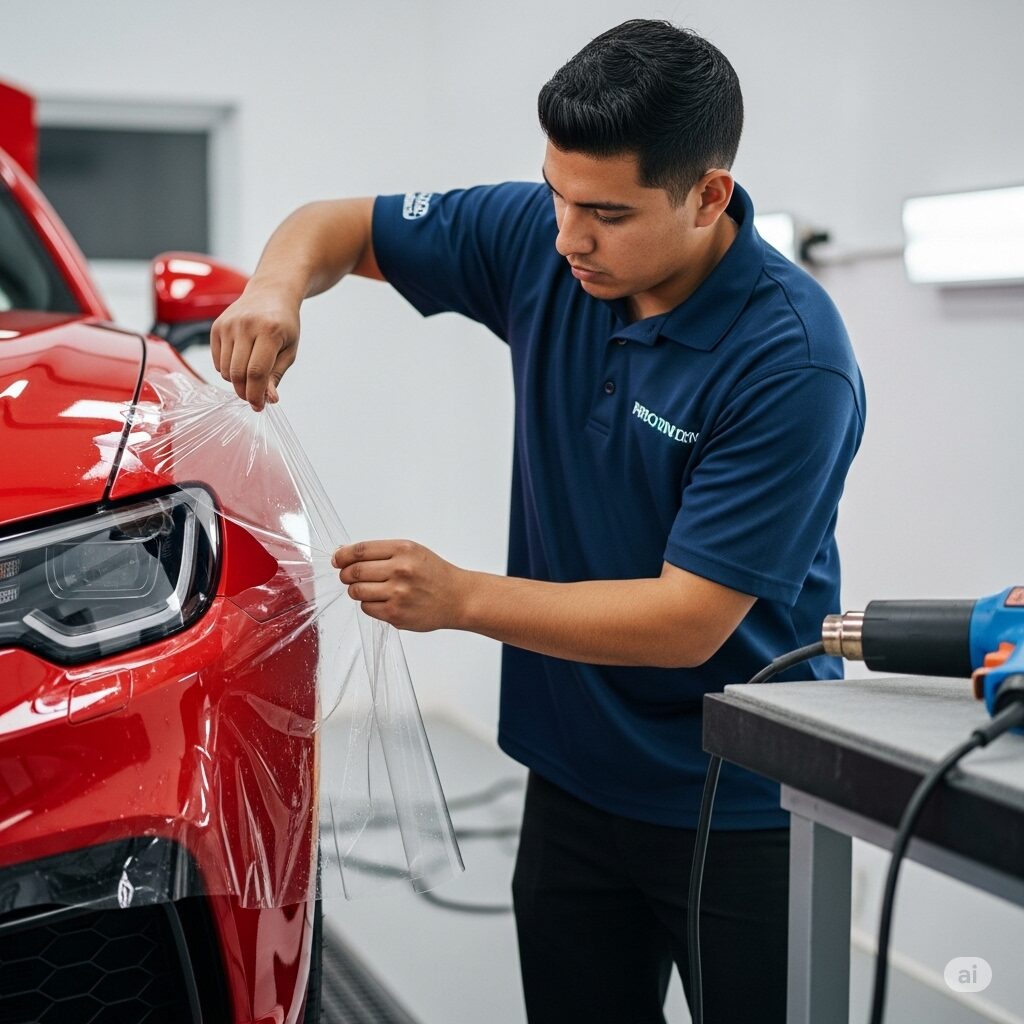
PPF is not without trade-offs. The upfront cost is significant, especially for full-body coverage. Lower-quality films can yellow over time, and the installation process requires a climate-controlled environment and skilled hands, poor installation results in bubbles, visible seams, and edge lifting that looks worse than no film at all. Some matte or satin finish owners need to verify film compatibility, since certain PPF products can add an unwanted sheen to non-gloss paint. Always confirm your installer has specific experience with your finish type.
Self-healing has limits worth understanding. Light surface scuffs from car wash brushes or fingernail scratches typically heal with heat exposure. But anything that cuts through the film’s topcoat layer will not self-repair, and the film will eventually need section replacement. That said, section replacement on a PPF-covered car is far less expensive than repainting a bare panel.
The Installer Is the Most Important Variable
This is the point that almost no comparison article makes, and it is arguably the most important one: the quality of your installer matters more than the brand of film or coating you choose. A premium film applied by an inexperienced installer will fail faster and look worse than a mid-tier film applied by a skilled, certified technician in a proper environment.
When vetting a shop, ask these specific questions. Does the shop have documented training or certification from the film or coating manufacturer? What does their installation environment look like? Is it a dedicated, climate-controlled bay or an open garage? Can they show you a portfolio of completed installations on vehicles similar to yours? What do the warranty terms actually cover, and who handles a warranty claim, the shop or the manufacturer? Get answers in writing.
The Paint Protection Film (PPF) services at CDC Detailing LLC are performed in a controlled environment by trained technicians using manufacturer-certified materials. We walk every client through coverage options, explain what the warranty covers and what it does not, and document the installation so you have a complete record for resale purposes.
Climate and Driving Habits: The Local Decision Framework
Generic advice tells you “it depends on your situation” without ever building out what that actually means. Here is a more direct framework. If you drive on highways with regular truck traffic, you are constantly absorbing road debris. PPF on the full front is not optional; it is necessary. If your area sees road salt in winter, salt accelerates paint oxidation wherever chips exist, making PPF and its sealed surface the most economical long-term choice. If you park outdoors year-round in a high-UV environment, a ceramic coating’s UV-blocking properties directly prevent the oxidation and fading that degrade paint and resale value. If you do all of the above, the combination approach is the clear answer.
The Combination Approach: What a Full Installation Looks Like
A professional combination installation follows a defined sequence. First, the vehicle receives a thorough decontamination wash, including removal of iron fallout and a clay bar treatment. If the paint has existing imperfections, a one-stage or multi-stage paint correction is performed. Next, PPF is cut using software-generated patterns and applied to the designated panels, hood, bumper, fenders, mirrors, and any additional coverage selected. The film is given time to cure. Finally, ceramic coating is applied over the entire vehicle surface, bonding to both the film and unprotected paint panels. The result is a unified surface with physical impact protection on the high-risk zones and hydrophobic, UV-resistant coverage everywhere.
When you are ready to protect your investment with a professional-grade installation, CDC Detailing LLC offers transparent consultations, documented processes, and written warranty terms so you know exactly what you are getting before any work begins.
Frequently Asked Questions
What is the difference between PPF and ceramic coating?
PPF is a physical thermoplastic film that absorbs rock chips, scratches, and road debris before they reach your paint. Ceramic coating is a liquid polymer that bonds chemically to your paint or PPF surface, creating a hydrophobic, UV-resistant barrier. They address different threats and work best when layered together, with PPF applied first and ceramic coating applied over it.
Is PPF worth the money for a daily driver?
For most daily drivers, especially those covering highway miles or driving in areas with gravel, road salt, or construction debris, PPF is worth the investment. A single avoidable repaint costs $1,000 to $4,500, according to AAA. Full-front PPF costing $1,500 to $3,000 can prevent multiple such repairs over a 7- to 10-year lifespan, making the ROI straightforward.
Can ceramic coating be applied over paint protection film?
Yes, and this is the recommended approach. PPF must go on bare, corrected paint first since it bonds directly to the clear coat. Once the film is installed and cured, ceramic coating is applied over the entire vehicle, including the PPF. This sequence protects the film from UV degradation and contamination while giving the whole car a unified hydrophobic surface.
How long does PPF last compared to ceramic coating?
Premium PPF installations from certified shops carry warranties of up to 10 years, with real-world performance typically in the 7-to 10-year range depending on exposure and maintenance. Professional-grade ceramic coatings last 3 to 10-plus years, depending on the product tier. Combining both extends the life of each, as the ceramic layer protects the PPF surface from contamination and wear.
What questions should I ask before choosing a PPF installer?
Ask whether the shop holds manufacturer certification for the specific film brand, what their installation environment looks like, whether they have portfolio examples on similar vehicles, and what the warranty covers in writing. A trustworthy installer answers all of these without hesitation. Vague answers about the environment or warranty terms are a signal to look elsewhere before committing to your vehicle.
Does PPF affect the appearance of matte or satin paint?
Standard gloss PPF can add sheen to matte or satin finishes, altering the intended look. Matte-finish PPF products exist specifically for this application and preserve the flat appearance while still providing physical impact protection. Always confirm with your installer that they have experience with non-gloss finishes and are using the correct film variant for your paint type.
Protecting your paint is one of the highest-return investments you can make in your vehicle’s long-term value and appearance. Whether you are weighing a full-body PPF package, a targeted front-end installation, or a premium ceramic coating, the starting point is an honest conversation about your driving habits, your budget, and your goals. Contact us to schedule your consultation and get a transparent, no-pressure quote built around what your specific vehicle actually needs.