
Ceramic coating bonds chemically to your car’s clear coat, creating a semi-permanent layer of protection that repels water, UV rays, and road contaminants for two to seven years or more. Car wax sits on top of the paint as a temporary sacrificial barrier, lasting six to twelve weeks before it breaks down. For drivers who want long-term protection with minimal upkeep, ceramic coating wins on every measurable metric.
Why This Decision Matters More Than Most Drivers Realize
Walk into any auto parts store and you will find shelves of wax products promising a brilliant shine and a protective finish. Those products work, and they have worked for decades. But the automotive protection market has shifted dramatically. According to Market Research Future, the global ceramic coating industry was valued at $11.87 billion in 2024 and is projected to reach $27.12 billion by 2035, growing at a compound annual rate of 7.8%. That is not a niche trend. That is a mainstream shift in how car owners think about protecting their investment.
The problem is that most of the content covering this topic comes from national product retailers or generic comparison sites. None of it reflects what a working detailer sees week after week: real vehicles, real paint conditions, real climates, and real long-term outcomes. That perspective is what this article offers.
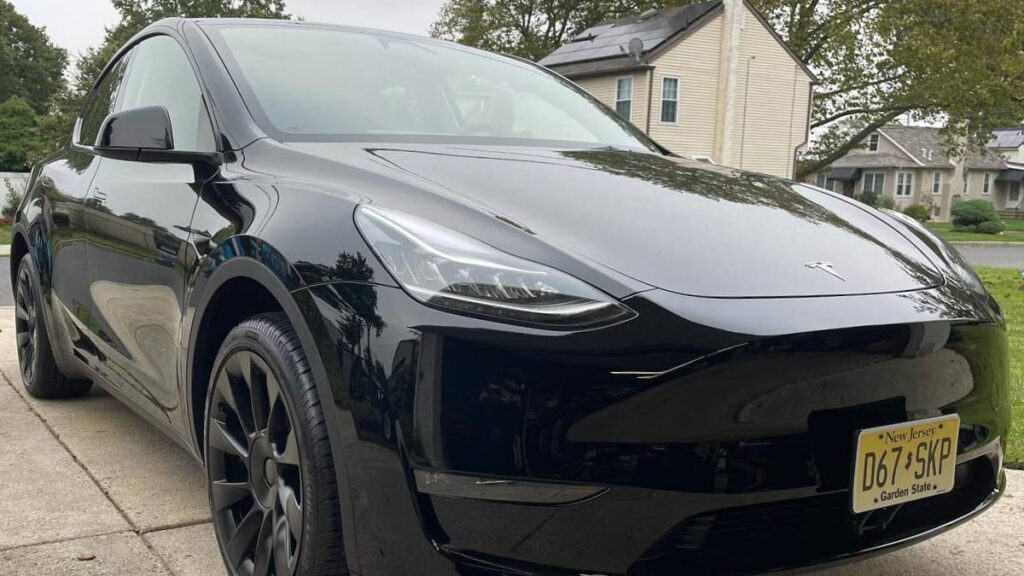
What Is the Difference Between Ceramic Coating and Wax?
The core difference comes down to chemistry and bonding. Car wax, whether carnauba or synthetic, sits on the surface of your clear coat as a thin, temporary film. It fills minor surface imperfections, creates optical depth, and adds a layer of water repellency. But it does not bond to the paint. Heat, rain, UV exposure, and regular washing break it down steadily. Most professional wax jobs last eight to twelve weeks before the protection degrades to the point where reapplication is needed.
Ceramic coating works differently at a molecular level. The coating, typically a silica-based or silicone dioxide compound, forms a covalent chemical bond with the clear coat itself. Once cured, it becomes part of the vehicle’s surface rather than simply resting on top of it. A 2025 peer-reviewed study published in Polymers and hosted by PubMed Central (U.S. National Library of Medicine) confirms that ceramic coatings provide “superior hardness, hydrophobicity, and resistance to scratches, corrosion, and ultraviolet (UV) degradation” compared to traditional wax coatings, which “remain widely adopted due to their affordability and ease of use, though they offer limited longevity.”
That is not marketing language. That is peer-reviewed polymer science.
How Long Does Ceramic Coating Last Compared to Wax?
Durability is where the comparison becomes stark. A quality wax application lasts two to three months under normal driving conditions. In harsher environments, that timeline shrinks. Heavy rain accelerates wax breakdown because acidic compounds in rainwater act as a catalyst, stripping the wax layer and leaving the paint exposed to UV radiation, bird droppings, tar, and road film.
Professional ceramic coatings are rated by their expected service life. Entry-level coatings offer one to two years of protection. Mid-grade applications hold for three to five years. Premium installations with manufacturer warranties carry seven-year or even lifetime protection guarantees. The key variable is surface preparation, coating quality, and the skill of the installer.
Is Ceramic Coating Worth It? The Real Cost Comparison
This is the question most drivers are actually asking, and the honest answer requires looking at costs over time rather than upfront price tags.
| Protection Type | DIY Cost | Professional Cost | Lifespan | Annual Cost Estimate |
|---|---|---|---|---|
| Car Wax (Standard) | $20–$50 per application | $50–$150 per application | 6–12 weeks | $300–$900 (professional, every 2 months) |
| Ceramic Coating (Entry, 1–2 yr) | $50–$100 | $500–$1,000 | 1–2 years | $250–$500 |
| Ceramic Coating (Mid, 3–5 yr) | $100–$200 | $1,000–$2,000 | 3–5 years | $200–$667 |
| Ceramic Coating (Premium, 7+ yr) | $200–$300 | $2,000–$3,500 | 7+ years | $286–$500 |
According to AutoZone’s cost guide, professional ceramic coating applications range from $600 to $3,500 depending on the coating tier, vehicle size, and prep work required. A mid-grade five-year installation at $1,500 works out to $300 per year. A professional wax job every two months at $100 per visit runs $600 annually, with far less protection to show for it. The math consistently favors ceramic coating for drivers who plan to keep their vehicle for more than two years.
Vehicle size also plays a meaningful role. Coating a compact sedan costs less than coating a full-size SUV or truck because surface area and body complexity directly affect both material usage and labor time. Expect to add $400 to $800 to any estimate when moving from sedan to large SUV.
Does Ceramic Coating Protect Against UV Rays?
Yes, and this is one of the most underappreciated benefits. UV radiation is one of the primary causes of paint oxidation, fading, and clear coat failure. Wax provides marginal UV protection, but it degrades so quickly in sun-exposed environments that any protective benefit is short-lived. Ceramic coating maintains its UV-blocking properties for the full duration of its service life, making it particularly valuable in high-sun climates.
Climate matters for application as well. Professional ceramic coating should be applied in a temperature-controlled environment between 65 and 75 degrees Fahrenheit to ensure proper bonding and curing. A visible hazy “rainbow effect” during application is the indicator that the coating is bonding correctly to the clear coat. This is why professional installation in a controlled shop environment produces results that no driveway DIY job can reliably replicate.
Can You Wax Over Ceramic Coating?
This question comes up constantly, and the answer matters. Applying traditional wax over a ceramic coating is pointless at best and counterproductive at worst. The coating already provides hydrophobicity superior to any wax product. Adding a layer of wax on top introduces silicone-based compounds that can interfere with the coating’s surface properties and dull the finish over time.
What you can apply over a ceramic coating is a ceramic-compatible spray sealant or coating booster, used every three to four months to refresh the hydrophobic layer and extend the coating’s effective life. This is the correct maintenance approach, not waxing.
The reverse question, whether you can apply ceramic coating over wax, has an equally definitive answer: no. Ceramic coating requires a clean, chemically bare clear coat surface to form its bond. Any residual wax, oil, or sealant acts as a barrier that prevents proper adhesion, and the coating will fail prematurely.
When Wax Is Actually the Right Choice
A credible comparison has to acknowledge that car wax is the better answer in specific situations. The most important one involves classic vehicles with original paint.
Original factory paint on a classic car is often irreplaceable. Wax can be applied, removed, and reapplied repeatedly without altering the paint itself. This reversibility makes it far more appropriate than a permanent bonded coating on paint that has historical or collector value. If the paint is already compromised, oxidized, or showing stress cracks, wax also allows you to work gently without committing to the aggressive machine polishing that ceramic coating preparation typically requires.
Wax is also appropriate for drivers on strict budgets who only plan to keep their current vehicle for one year or less. The economics of ceramic coating improve significantly with time. Short ownership windows narrow that advantage considerably.
What Does Life Look Like After Ceramic Coating?
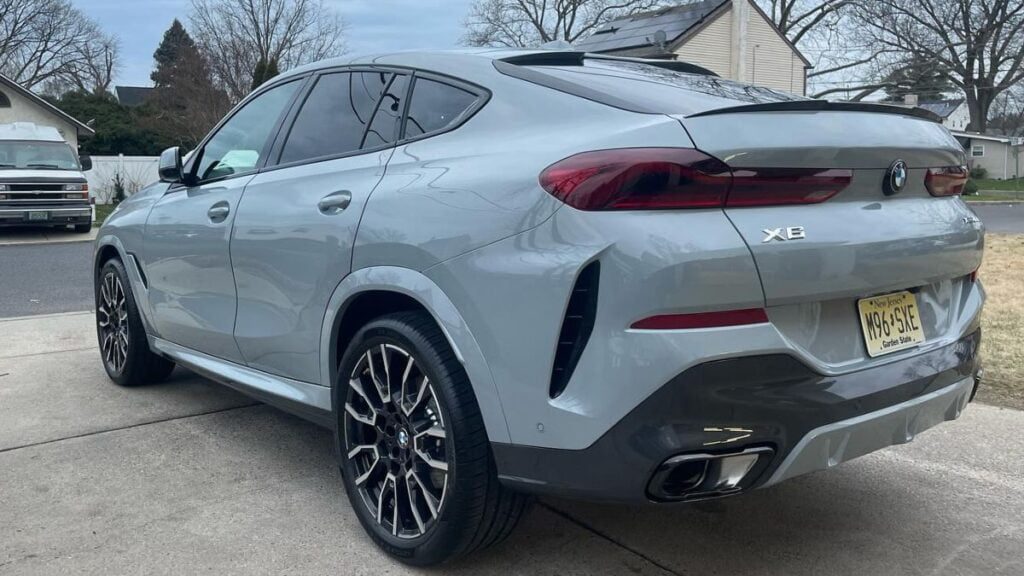
Most articles explain what ceramic coating does before application. Few explain what ownership actually looks like afterward, and this matters to anyone considering the service.
A ceramic-coated car should be hand-washed or run through a touchless wash every two weeks. Automatic brush car washes are a hard no. The abrasive contact from brush systems can introduce swirl marks and degrade the coating surface over time, which defeats the purpose of installing it in the first place. Bird droppings, tree sap, and bug splatter should be removed promptly because even a durable coating is not immune to highly acidic organic material left to bake in direct sun.
Using a ceramic-compatible spray sealant every three to four months maintains the hydrophobic effect and maximizes the coating’s lifespan. The overall maintenance burden is genuinely lighter than waxing, but it requires following specific protocols rather than treating the vehicle like any other car.
Red Flags: How to Spot a Low-Quality Ceramic Coating Installer
The ceramic coating service market includes a wide range of operators, and not all of them deliver the same standard of work. Before booking any installer, there are specific questions worth asking and warning signs worth watching for.
A reputable detailer will always include paint decontamination and machine polishing in the pre-coat preparation process. If an installer quotes you a price that seems unusually low and does not mention paint correction, they are likely skipping the preparation steps that determine whether the coating actually bonds correctly. A poorly prepped surface traps contaminants and swirl marks under the coating, locking in imperfections rather than protecting clean paint.
Ask specifically about the coating brand and its rated service life. Professional-grade coatings from established manufacturers come with documentation and warranty registration. Consumer-grade coatings sold in retail stores are a different product category entirely, even if the marketing language sounds similar.
Also ask about the curing environment. Proper ceramic coating application requires a dust-free, temperature-controlled space. A detailer working outdoors or in an open bay without climate control cannot guarantee the conditions that the coating manufacturer requires for warranty validity.
Does Ceramic Coating Improve Resale Value?
Paint condition is one of the primary factors buyers and dealers evaluate when assessing a used vehicle. A ceramic-coated car that has been properly maintained holds its finish in a way that an uncoated vehicle, regardless of how diligently it was waxed, simply cannot match over several years. A vehicle with well-maintained, protected paint commands a higher resale price, particularly in markets where newer vehicles are common and buyers scrutinize exterior condition closely.
Research also suggests that ceramic-coated vehicles can reduce annual detailing costs by 40 to 60 percent compared to regularly waxed vehicles, because the coating’s self-cleaning hydrophobic properties mean less contamination adheres to the surface between washes.
For anyone who treats their vehicle as an asset rather than purely a utility, that combination of lower maintenance cost and higher resale value represents a meaningful financial return on the initial investment.
If you are ready to stop reapplying wax every few months and start protecting your vehicle with a solution that actually lasts, our Ceramic Coating specialists at CDC Detailing LLC delivers professional-grade installation with proper surface preparation and verified coating products. You can also read genuine customer reviews and see the work firsthand at CDC Detailing LLC on Google. For drivers in the area who want a lasting finish that holds up through rain, heat, and daily driving, professional ceramic coating is not a luxury. It is the most cost-effective protection available.
Visit CDC Detailing LLC to find the shop or reach out through the website to discuss which coating tier fits your vehicle and your budget. The difference between a two-month wax job and a five-year ceramic installation comes down to one conversation. Make it count, and contact us today to book your appointment with the CDC Detailing LLC team.
Frequently Asked Questions: Ceramic Coating vs. Wax
Is ceramic coating better than wax?
For most drivers, yes. Ceramic coating bonds chemically to the clear coat and lasts two to seven years, while car wax sits on the surface and degrades within six to twelve weeks. Ceramic coating offers superior UV protection, hydrophobicity, and scratch resistance. Wax remains appropriate for classic vehicles with original paint or very short ownership timelines.
How much does professional ceramic coating cost?
Professional ceramic coating costs $500 to $1,000 for entry-level one to two year coverage, $1,000 to $2,000 for mid-grade three to five year protection, and $2,000 to $3,500 for premium seven-plus year installations. Vehicle size, paint condition, and prep work required all influence final pricing. Larger SUVs and trucks typically cost $400 to $800 more than sedans.
Can you apply ceramic coating over wax?
No. Ceramic coating must bond directly to clean, bare clear coat. Any wax, sealant, or oil residue on the surface blocks the chemical bond from forming, causing the coating to fail prematurely. Before ceramic coating application, a thorough decontamination wash, clay bar treatment, and often machine polishing are required to prepare the paint surface correctly.
What is ceramic wax, and is it the same as ceramic coating?
Ceramic wax is a hybrid consumer product that blends silicone dioxide into a traditional wax or sealant formula. It applies like wax and provides roughly four to six months of protection. This is meaningfully better than standard wax but falls far short of a true professional ceramic coating, which chemically bonds to the paint and lasts years rather than months.
How do you maintain a car after ceramic coating?
Hand-wash or touchless-wash the vehicle every two weeks. Avoid automatic brush car washes entirely, as abrasive contact degrades the coating surface. Remove bird droppings, tree sap, and bug splatter promptly. Apply a ceramic-compatible spray sealant every three to four months to refresh the hydrophobic properties and extend the coating’s effective service life.