
Most American car owners have heard about ceramic coatings, yet confusion and false promises cloud their true value. With more than 80 percent of drivers wanting longer-lasting paint protection, understanding what ceramic coatings actually do—and what they cannot—is critical for protecting your investment. In this clear guide, you will discover the essential facts and the most common myths so you can make informed choices about your vehicle’s finish and avoid costly mistakes.
Table of Contents
- Ceramic Coatings Defined And Common Myths
- Types Of Ceramic Coatings For Cars
- How Ceramic Coatings Shield Paint Surfaces
- Application Process And Longevity Factors
- Ceramic Coatings Versus Traditional Waxes
- Potential Risks And Avoidable Mistakes
Key Takeaways
| Point | Details |
|---|---|
| Ceramic Coatings Offer Advanced Protection | Ceramic coatings create a durable, hydrophobic barrier that protects automotive paint from contaminants and UV rays, surpassing traditional waxes. |
| Myths Can Mislead Owners | Misconceptions about scratch resistance and maintenance needs can lead to improper care of ceramic coatings, reducing their effectiveness. |
| Professional Application is Key | Proper installation by experienced professionals ensures optimal bonding and performance of ceramic coatings, avoiding common DIY pitfalls. |
| Longevity Depends on Maintenance | Regular cleaning and professional inspections are essential to maintaining the coating’s protective capabilities over time. |
Ceramic Coatings Defined And Common Myths
Ceramic coatings represent an advanced protective technology designed to shield automotive paint surfaces from environmental damage and wear. These nano-ceramic solutions create an invisible yet incredibly durable barrier that bonds directly with a vehicle’s existing paint, offering protection far beyond traditional waxing or sealant methods.
At its core, a ceramic coating is a liquid polymer applied to a vehicle’s exterior that chemically bonds with the factory paint, creating a permanent or semi-permanent protective layer. Unlike standard wax applications that sit on top of the paint, ceramic coatings actually integrate with the surface, forming a hydrophobic shield that repels water, dirt, and contaminants. Understanding ceramic coating durability reveals that these coatings can provide substantial protection for several years when properly applied and maintained.
Despite their growing popularity, several persistent myths surround ceramic coatings that can mislead vehicle owners. One common misconception is that ceramic coatings are completely scratch-proof. While they significantly enhance paint protection, they are not impenetrable armor. These coatings provide remarkable resistance against light scratches, swirl marks, and environmental contaminants, but they cannot prevent all potential paint damage. Another prevalent myth suggests that ceramic coatings eliminate the need for washing or maintenance, which is fundamentally incorrect. Regular, gentle cleaning remains essential to preserve the coating’s effectiveness and appearance.
Professional application is crucial for maximizing ceramic coating performance. Many DIY enthusiasts underestimate the precision required for proper installation, which involves extensive surface preparation including thorough cleaning, paint correction, and controlled application techniques. Improper application can lead to uneven coverage, reduced effectiveness, and potential damage to the underlying paint surface. For optimal results, vehicle owners should consider professional detailing services that specialize in ceramic coating application and can guarantee a high-quality, long-lasting protective finish.
Types Of Ceramic Coatings For Cars
Ceramic coatings are not a one-size-fits-all solution, with several distinct types offering varying levels of protection and performance for automotive surfaces. The primary classifications include silicon dioxide (SiO₂) based coatings, which have been the traditional standard in the industry, and newer advanced formulations like graphene-infused and hybrid ceramic coatings that provide enhanced protective capabilities.
Traditional Silicon Dioxide (SiO₂) Coatings remain the most common ceramic coating type, characterized by their ability to create a strong, transparent layer that chemically bonds with vehicle paint. These coatings typically offer excellent water repellency and protection against UV rays, environmental contaminants, and minor scratches. Popular brands of self-healing ceramic coatings demonstrate how manufacturers continue to innovate within this foundational ceramic coating technology.
Advanced ceramic coating technologies have expanded to include Graphene-Infused Coatings and Hybrid Ceramic Formulations. Graphene coatings represent a cutting-edge approach, leveraging the material’s exceptional strength and conductivity to provide superior protection. These coatings offer enhanced durability, improved heat resistance, and more robust defense against environmental challenges. Hybrid ceramic coatings blend multiple technological approaches, combining the best attributes of traditional silicon dioxide formulations with newer nanomaterials to create more comprehensive protective solutions.
When selecting a ceramic coating, vehicle owners should consider their specific needs, driving conditions, and maintenance capabilities. Factors like climate, typical parking environments, and frequency of use can significantly influence which ceramic coating type will provide the most effective long-term protection. Professional detailing services can offer personalized recommendations, helping car owners choose the most suitable ceramic coating that balances performance, durability, and cost-effectiveness for their unique automotive protection requirements.
How Ceramic Coatings Shield Paint Surfaces
Ceramic coatings provide a sophisticated defense mechanism for automotive paint surfaces, creating an advanced protective barrier that goes far beyond traditional waxing or sealant methods. These microscopic layers work by forming a chemical bond directly with the vehicle’s factory paint, establishing a robust shield that repels environmental contaminants, ultraviolet radiation, and potential chemical damage.
The protective mechanism of ceramic coatings operates through multiple defensive strategies. At the molecular level, these coatings create an ultra-smooth, hydrophobic surface that prevents dirt, water, and other contaminants from adhering to the paint. Ceramic coating services demonstrate how this innovative technology essentially creates an invisible armor that dramatically reduces the potential for paint degradation. The hydrophobic properties mean that water and debris essentially slide off the surface, preventing the accumulation of harmful particles that could cause oxidation or paint damage.
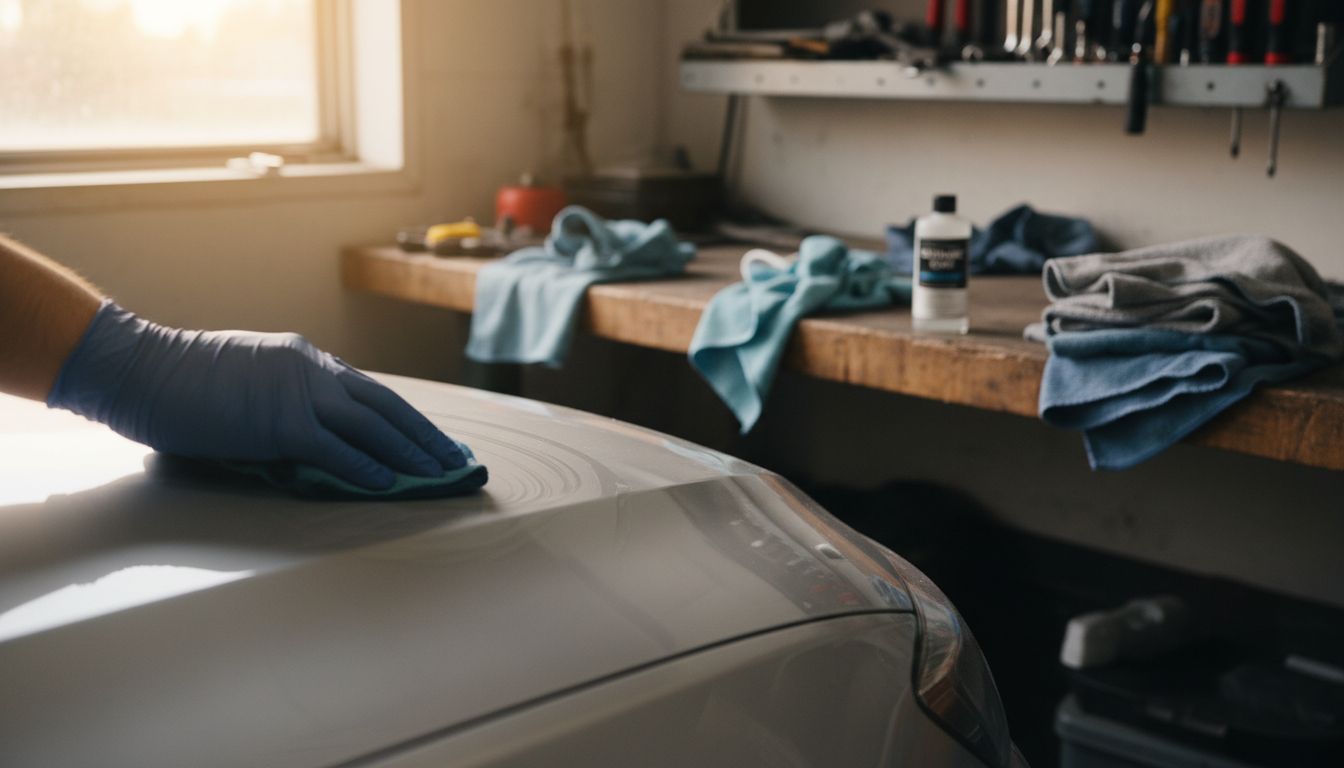
The chemical composition of ceramic coatings enables them to provide multifaceted protection against various environmental threats. They create a strong barrier against UV rays that can cause paint fading and oxidation, chemical stains from bird droppings or tree sap, and minor abrasions that would typically damage unprotected paint surfaces. The coating’s molecular structure allows it to fill microscopic imperfections in the paint, creating a smoother, more uniform surface that not only looks better but provides enhanced protection against potential damage.
Vehicle owners should understand that while ceramic coatings offer exceptional protection, they are not completely impervious to damage. Regular maintenance, including gentle washing and periodic professional inspection, remains crucial to preserving the coating’s effectiveness. Professional detailing services can help vehicle owners maximize the protective capabilities of ceramic coatings, ensuring that the investment in paint protection continues to deliver optimal results over time.
Application Process And Longevity Factors
The application of ceramic coatings is a meticulous process that requires extensive preparation and precision to ensure optimal performance and long-lasting protection. Professional detailing technicians follow a comprehensive multi-step approach that begins with thorough paint surface preparation, including intensive cleaning, decontamination, and potential paint correction to create the ideal foundation for ceramic coating application.
Initial surface preparation involves a detailed multi-stage decontamination process that eliminates all potential barriers to proper ceramic coating adhesion. How often ceramic coated cars should be washed directly impacts the coating’s longevity and performance. Technicians typically start by performing a thorough wash to remove surface contaminants, followed by a clay bar treatment to extract embedded particles, and then a comprehensive paint correction process that eliminates swirl marks, light scratches, and oxidation. This meticulous preparation ensures the ceramic coating bonds perfectly with the vehicle’s paint surface.
The actual application of ceramic coatings requires a controlled environment and specialized techniques to achieve maximum effectiveness. Professional applicators work in dust-free, temperature-controlled spaces, carefully applying thin, even layers of the ceramic coating using specific microfiber applicators. Each layer is methodically applied and allowed to cure, creating a molecular bond with the vehicle’s paint surface. The curing process is critical, often requiring specific temperature and humidity conditions to ensure proper bonding and optimal protective performance.
Longevity of ceramic coatings depends on multiple factors, including application quality, environmental conditions, and ongoing maintenance. While professional-grade ceramic coatings can provide protection for several years, their effectiveness is directly tied to proper care and maintenance. Vehicle owners should follow recommended washing techniques, avoid automatic car washes, and periodically have the coating professionally inspected to maintain its protective properties. Environmental factors such as exposure to extreme temperatures, UV radiation, and frequent outdoor parking can impact the coating’s durability, making regular professional maintenance an essential component of preserving the ceramic coating’s protective capabilities.
Ceramic Coatings Versus Traditional Waxes
Traditional automotive waxes and ceramic coatings represent two fundamentally different approaches to paint protection, each with distinct characteristics that significantly impact a vehicle’s appearance and long-term surface preservation. While traditional waxes offer a temporary cosmetic enhancement, ceramic coatings provide a revolutionary protective solution that goes far beyond surface-level shine.
The fundamental difference lies in the application and durability of these protective technologies. Traditional waxes create a temporary, superficial layer that typically lasts only a few weeks to months, requiring frequent reapplication. In contrast, ceramic coating technologies compared to traditional methods reveal a significant advantage in longevity and protection. Ceramic coatings chemically bond with the vehicle’s paint surface, creating a permanent or semi-permanent protective layer that can last several years, offering far superior resistance to environmental contaminants, UV radiation, and chemical stains.
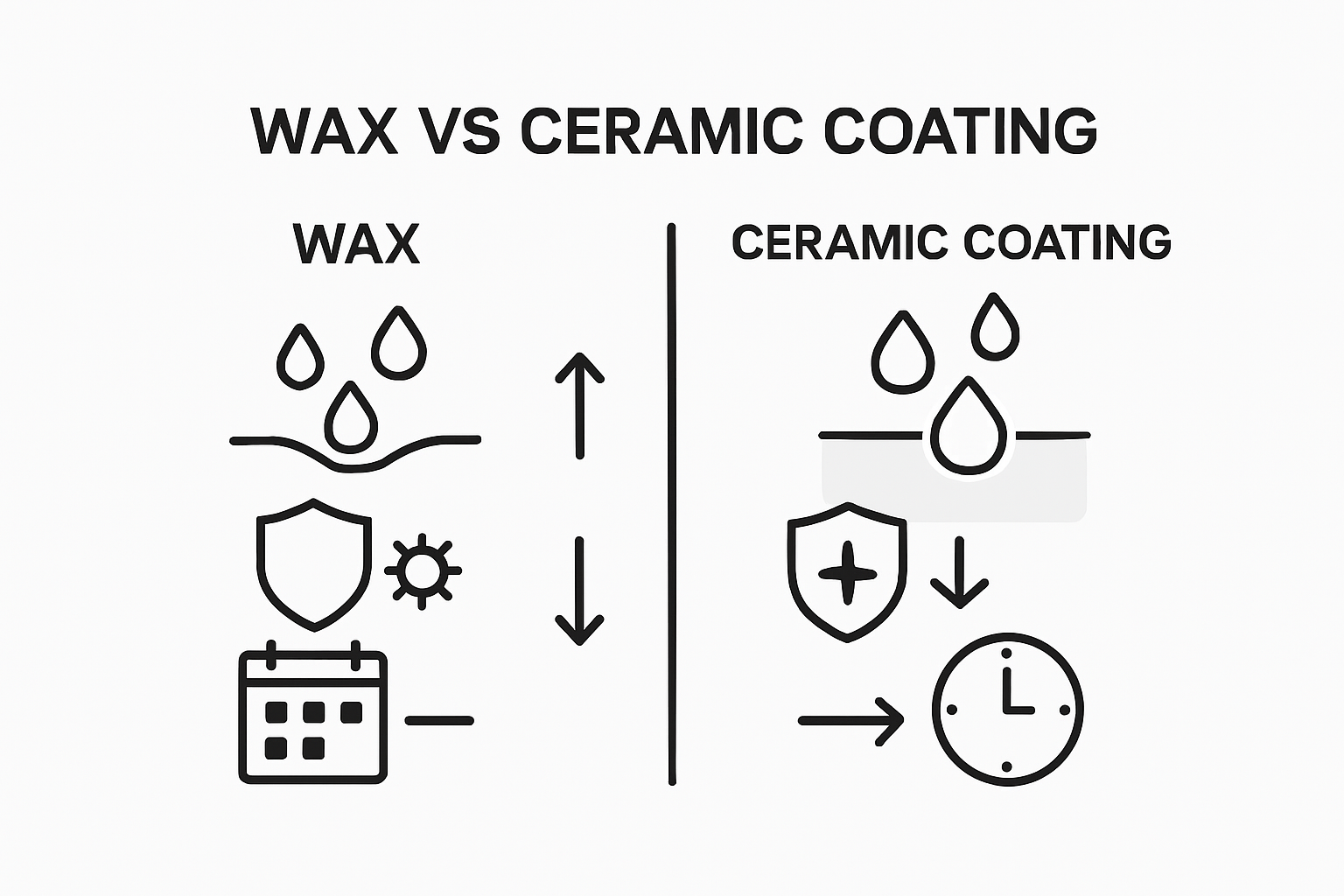
Performance characteristics further differentiate these two protective approaches. Waxes provide a short-term glossy finish and minimal protection, essentially sitting on top of the paint surface like a temporary mask. Ceramic coatings, however, create a molecular-level shield that fills microscopic imperfections in the paint, providing enhanced protection against oxidation, UV damage, chemical etching, and minor abrasions. The hydrophobic properties of ceramic coatings are dramatically more advanced, causing water and contaminants to bead and slide off the surface with remarkable efficiency, whereas traditional waxes offer only limited water resistance.
Vehicle owners must consider their specific needs when choosing between waxes and ceramic coatings. While waxes remain a budget-friendly option for short-term aesthetic improvement, ceramic coatings represent a long-term investment in paint protection. Professional detailing services recommend ceramic coatings for those seeking comprehensive, durable protection that maintains the vehicle’s appearance and value over extended periods. The initial higher cost of ceramic coatings is offset by reduced maintenance requirements and superior long-term paint preservation.
Potential Risks And Avoidable Mistakes
Ceramic coatings represent an advanced paint protection technology, but vehicle owners must be aware of potential pitfalls that can compromise their effectiveness. Understanding these risks is crucial to ensuring the long-term performance and appearance of the ceramic coating and underlying vehicle paint surface.
One of the most significant risks stems from improper application techniques. DIY ceramic coating attempts frequently result in uneven coverage, trapped contaminants, and reduced protective capabilities. Winter maintenance tips for ceramic-coated vehicles highlight the importance of professional application, as amateur mistakes can create permanent imperfections. Common errors include inadequate surface preparation, applying coatings in unsuitable environmental conditions, using incorrect application tools, or failing to remove all surface contaminants before coating installation.
Environmental factors and maintenance practices can also introduce significant risks to ceramic coatings. Exposure to extreme temperatures, frequent harsh washing techniques, and improper cleaning methods can rapidly degrade the coating’s protective properties. Vehicle owners often mistakenly believe ceramic coatings are completely maintenance-free, leading to neglect that can cause premature coating failure. Automatic car washes with aggressive brushes, harsh chemical cleaners, and abrasive washing techniques can quickly compromise the coating’s molecular structure, reducing its protective capabilities and aesthetic appeal.
To mitigate potential risks, vehicle owners should prioritize professional application and ongoing maintenance from experienced detailing services. This includes selecting a reputable detailer with proven expertise in ceramic coating application, following recommended maintenance protocols, and scheduling periodic professional inspections. Understanding that ceramic coatings are an investment requiring careful attention can help vehicle owners maximize their protective benefits and maintain their vehicle’s appearance and value over an extended period.
Protect Your Investment with Professional Ceramic Coating Services
The detailed insights from “Ceramic Coatings How They Safeguard Car Paint” highlight the importance of expert application and regular maintenance to maximize your vehicle’s paint protection. Avoid the common pitfalls of DIY coatings and ensure your car benefits from a durable hydrophobic shield that repels contaminants and UV damage. With challenges like improper surface preparation and environmental wear clearly explained, it is essential to trust professionals who understand these critical factors.
Experience the peace of mind that comes with high-quality ceramic coatings applied by dedicated experts in South Jersey. Our mobile team provides convenient at-home service that prioritizes thorough paint correction, precise coating application, and ongoing care to keep your vehicle looking pristine for years.

Ready to shield your car’s paint with advanced ceramic technology? Visit CDC Auto Detailing now and explore our ceramic coating services. Book your appointment today and take the first step toward lasting protection and a brilliant finish.
Frequently Asked Questions
What is a ceramic coating?
Ceramic coating is a liquid polymer applied to a vehicle’s exterior that chemically bonds with the factory paint, creating a durable protective layer that shields against environmental damage and wear.
How long does a ceramic coating last?
Ceramic coatings can provide protection for several years when properly applied and maintained, significantly outlasting traditional waxing or sealant methods.
Do ceramic coatings make car paint scratch-proof?
No, while ceramic coatings enhance paint protection and resistance against light scratches and contaminants, they are not entirely scratch-proof and cannot prevent all forms of paint damage.
How should I maintain my ceramic-coated vehicle?
Regular, gentle cleaning is essential to preserve the effectiveness of the coating. Avoid automatic car washes, use safe washing techniques, and consider periodic professional inspections to maintain optimal protection.