
TL;DR:
- Ceramic window tint contains nano-ceramic particles that block UV rays and infrared heat without metal interference. It offers benefits like up to 99.9% UV blocking, significant heat reduction, and minimal signal disruption, making it cost-effective and durable over ten years. Proper installation and curing are essential to maximize performance and preserve your vehicle’s value.
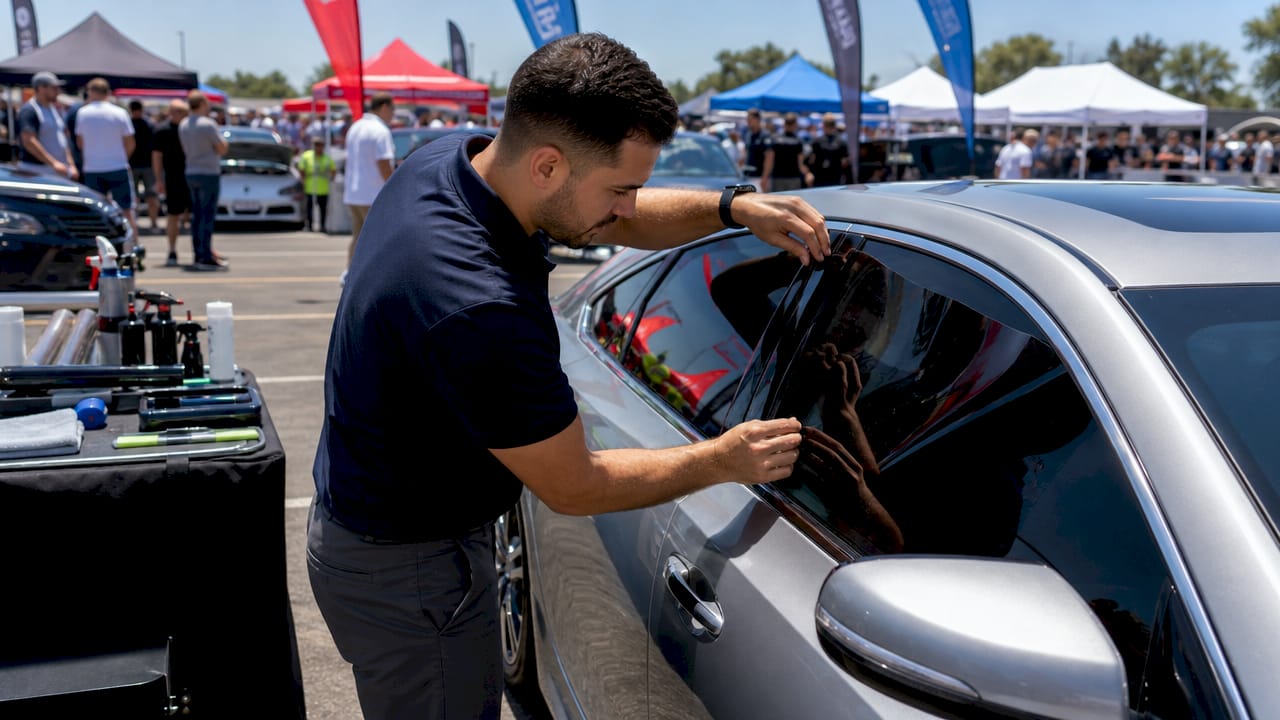
Ceramic window tint is defined as a window film embedded with nano-ceramic particles that block infrared radiation and UV rays without relying on metal layers. The ceramic window tint benefits go well beyond aesthetics. Premium ceramic films block up to 99.9% of harmful UV radiation and can reduce cabin temperatures by 10°F to 25°F during summer. Unlike dyed or metallic films, ceramic tint preserves GPS, cellular, and Bluetooth signal strength because its non-metallic construction creates no electromagnetic interference. For vehicle owners in South Jersey and beyond, this technology represents a meaningful upgrade in comfort, safety, and long-term value.
What are the core ceramic window tint benefits?
Ceramic window film works by embedding nano-ceramic particles into a polyester carrier layer. These particles selectively absorb and reflect infrared radiation, which is the primary source of heat inside a vehicle, while allowing visible light to pass through. The result is a cooler cabin without requiring an extremely dark tint shade.
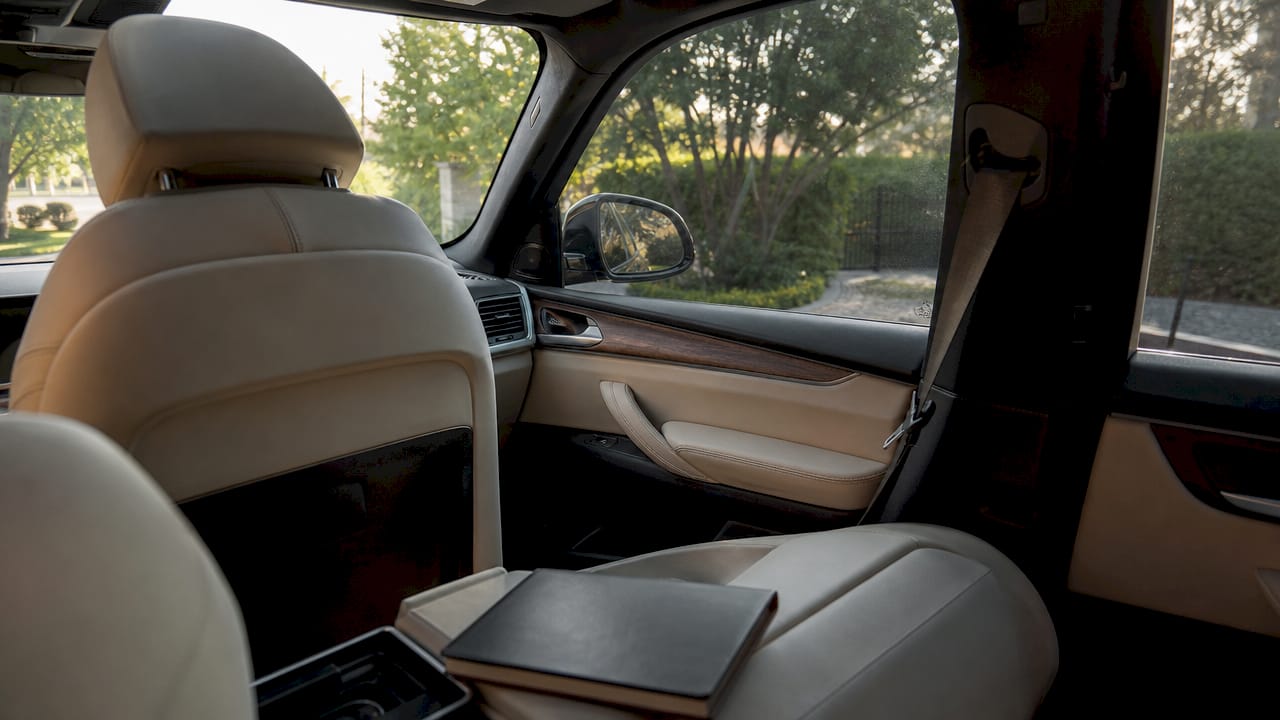
The film also targets both UVA and UVB rays. UVA rays penetrate deep into skin tissue and cause long-term cellular damage. UVB rays cause surface burns. Ceramic film addresses both, delivering what amounts to SPF 1,000+ protection for your skin and your vehicle’s interior surfaces.
Because ceramic particles are non-conductive, the film does not create a Faraday cage effect the way metallic films do. Metallic films can reduce connectivity by up to 100% in extreme cases. Ceramic tint produces less than 1% signal interference with GPS, cellular networks, and vehicle safety systems. That distinction matters enormously for drivers who rely on navigation apps or hands-free calling.
Pro Tip: When reviewing film specs, look for the infrared rejection (IRR) rating separately from the visible light transmission (VLT) percentage. A film with 70% VLT can still reject 80–95% of infrared heat if it carries a high IRR rating.
Key advantages of ceramic window tint for everyday driving
The practical advantages of ceramic tint show up every time you get into a hot car. Ceramic film reduces infrared heat by 40–95%, which directly lowers the temperature your air conditioning must fight. A cooler cabin means less AC load, which translates to better fuel efficiency on long drives.
Here are the primary benefits vehicle owners experience:
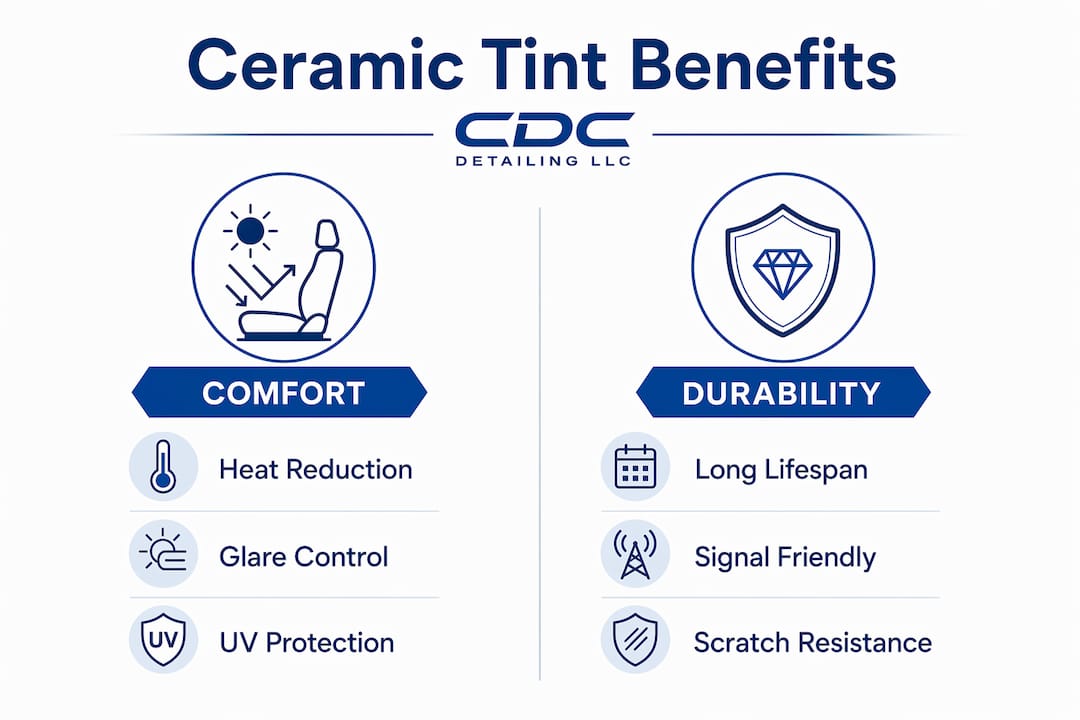
- Heat reduction. Cabin temperatures drop by 10°F to 25°F, making summer driving noticeably more comfortable.
- UV protection. Blocks up to 99.9% of UV radiation, protecting both your skin and your dashboard, seats, and trim from fading.
- Glare control. Ceramic film’s non-reflective neutral finish reduces blinding glare from sunlight and headlights without creating reflective hazards for other drivers.
- Privacy. Darker VLT shades add privacy without the hazy, purplish appearance that dyed films develop over time.
- Shatter resistance. The polyester layers and adhesive in ceramic film hold shattered glass together during a collision, reducing the risk of injury from flying fragments.
Glare reduction deserves special attention as a safety benefit. Squinting into afternoon sun or oncoming headlights at night is a genuine driving hazard. Ceramic film cuts that glare without the mirror-like surface that metallic films produce. You see better, and so do drivers around you.
The advantages of ceramic window tint also extend to your vehicle’s interior. Sustained UV exposure causes leather to crack, fabric to fade, and dashboard plastics to warp. Blocking UV rays at the glass level is the most direct way to slow that deterioration.
Why ceramic tint is cost-effective over time
Ceramic tint costs more upfront than dyed or carbon films. That price difference disappears quickly when you account for lifespan. High-quality ceramic films last over 10 years without fading, bubbling, or discoloration. Dyed films typically last 2–5 years before they purple, haze, or peel.
The math is straightforward. Replacing a dyed film twice over a decade costs more than installing ceramic once. Add the reduced AC usage and the protection of your interior from UV damage, and the long-term value becomes clear. Many premium ceramic film brands back their products with lifetime warranties, which further reduces your financial risk.
Here is how to protect your investment and maximize film lifespan:
- Choose a certified installer. Installer skill affects film performance more than brand selection alone. Poor technique causes bubbling, edge lifting, and reduced clarity regardless of film quality.
- Respect the curing period. Do not operate your windows for 3–5 days after installation. The adhesive needs time to bond fully, especially in humid climates.
- Clean with ammonia-free products. Ammonia degrades the film’s adhesive layer over time. Use a microfiber cloth and a pH-neutral cleaner instead.
- Avoid abrasive materials. Scratching the film surface reduces optical clarity and can create entry points for moisture.
Pro Tip: Ask your installer for the film’s specific infrared rejection rating and warranty documentation before the job starts. A reputable shop will provide both without hesitation.
Preserving your vehicle’s resale value is another financial argument for ceramic tint. A car with clean, clear windows and a well-maintained interior commands a higher price than one with faded upholstery and hazy tint. Buyers notice. You can read more about long-term tint value and how it compares to other film types.
Does ceramic tint block signals or reduce visibility?
Signal interference is the most common concern vehicle owners raise before choosing ceramic tint. The concern is valid for metallic films but not for ceramic. Ceramic tint’s non-metallic composition means GPS, cellular, Bluetooth, and satellite radio signals pass through without measurable degradation. You will not lose navigation accuracy or drop calls because of ceramic film on your windows.
Visibility is the second concern, and it requires understanding the difference between two separate measurements. VLT, or visible light transmission, describes how much visible light passes through the film. IR rejection describes how much infrared heat the film blocks. These two numbers are independent of each other.
| Measurement | What it controls | What it does NOT control |
|---|---|---|
| VLT (visible light transmission) | How dark the window appears | How much heat enters the cabin |
| IR rejection rate | How much infrared heat is blocked | How dark the window looks |
A 70% VLT ceramic film looks nearly clear but can still block 80–95% of infrared radiation. That means you can choose a lighter shade for legal compliance or personal preference and still get strong heat rejection. Dyed films do not offer this separation. They must go dark to reduce heat, which limits your options.
Night driving visibility is also better with ceramic tint than with dyed alternatives. Ceramic film maintains optical clarity for years without the purpling or haziness that dyed films develop. Clearer windows at night mean better reaction time and less eye strain. For guidance on choosing the right shade for your vehicle and state laws, the window tint shade guide at Cdcautodetailing covers VLT ranges and legal limits in detail.
Key Takeaways
Ceramic window tint delivers superior UV protection, meaningful heat reduction, and long-term durability that dyed films cannot match, making it the most cost-effective window film choice for vehicle owners.
| Point | Details |
|---|---|
| UV and heat protection | Ceramic film blocks up to 99.9% of UV rays and reduces cabin temps by 10°F to 25°F. |
| No signal interference | Non-metallic construction produces less than 1% interference with GPS, cellular, and Bluetooth. |
| Long-term durability | Quality ceramic films last over 10 years, outlasting dyed films that need replacement every 2–5 years. |
| VLT vs. IR rejection | Lighter shades can still block 80–95% of infrared heat. Darkness and heat rejection are independent. |
| Curing is critical | Keep windows closed for 3–5 days after installation to prevent bubbling and edge peeling. |
What I’ve learned after years of watching ceramic tint installations
The most common mistake I see vehicle owners make is treating ceramic tint as a commodity purchase. They focus entirely on price and shade, then wonder why their film looks hazy or starts lifting at the edges within a year. The film brand matters less than the installer’s technique.
I have seen premium ceramic film installed poorly and mediocre film installed perfectly. The perfectly installed mediocre film outlasted the premium film every time. Proper surface preparation, correct heat gun technique, and a clean installation environment are what separate a 10-year result from a 2-year disappointment. Installer skill profoundly impacts film lifespan and optical quality, and that is not something you can fix after the fact.
The curing period is the other thing owners consistently underestimate. Rolling your windows down the day after installation feels harmless. It is not. The adhesive is still bonding, and any movement can cause edge peeling that is permanent. Three to five days of patience protects an investment that should last a decade.
My honest recommendation: prioritize the installer’s reputation and certification over the film brand or the lowest quote. Ask to see examples of their previous work. A shop that takes pride in clean, bubble-free installs will tell you exactly what film they use and why. That transparency is the clearest signal of quality you will find.
— Charles
Professional ceramic tint installation at Cdcautodetailing
Cdcautodetailing brings professional ceramic window tint installation directly to vehicle owners across South Jersey as part of its mobile detailing service. You get premium film options, expert application, and warranty-backed results without driving to a shop.
The team at Cdcautodetailing selects ceramic films with verified infrared rejection ratings and installs them with the surface preparation and curing guidance that protects your investment long-term. Whether you want maximum heat rejection, UV protection for a daily driver, or a privacy upgrade for a weekend vehicle, the right film and the right install make all the difference. Explore the full range of auto detailing services available, including window tinting packages designed for both individual vehicles and commercial fleets.
FAQ
What does ceramic window tint actually block?
Ceramic window tint blocks up to 99.9% of UV radiation and 40–95% of infrared heat while allowing visible light to pass through. It does not block GPS, cellular, or Bluetooth signals because it contains no metallic layers.
How long does ceramic window tint last?
High-quality ceramic tint lasts over 10 years without fading, bubbling, or discoloration. Dyed films typically need replacement every 2–5 years, making ceramic the more cost-effective option over a vehicle’s lifespan.
Will ceramic tint interfere with my GPS or phone signal?
Ceramic tint produces less than 1% signal interference with GPS, cellular networks, and vehicle safety systems. Metallic films cause significant connectivity loss, but ceramic film’s non-conductive composition eliminates that problem.
Can I get a light-colored tint and still reduce heat?
A lighter VLT shade does not mean less heat protection with ceramic film. A 70% VLT ceramic film can still block 80–95% of infrared radiation, so you can stay within legal limits and still keep your cabin significantly cooler.
How soon can I roll down my windows after ceramic tint installation?
Wait 3–5 days before operating your windows after installation. Moving the glass before the adhesive fully cures can cause permanent edge peeling and bubbling, especially in humid conditions.