
Every South Jersey driver knows the frustration of finding time for expert vehicle care. With busy schedules and a love for spotless results, professionals and car enthusiasts seek more than basic cleaning. Customer satisfaction is shaped by clear expectations, consistent workmanship, and responsive communication, forming the foundation for reliable mobile detailing. This article offers practical insights into the real factors that drive loyalty and convenience, helping you choose services that truly value your time and standards.
Table of Contents
- Defining Customer Satisfaction In Detailing
- Core Elements That Shape Satisfaction
- Types Of Customer Expectations And Needs
- How Feedback Drives Service Improvements
- Common Pitfalls And How To Prevent Them
Key Takeaways
| Point | Details |
|---|---|
| Expectation Management | Clearly communicate service abilities and outcomes to align client expectations. |
| Quality Consistency | Ensure high standards in detailing work to build customer trust and satisfaction. |
| Feedback Utilization | Actively seek and implement customer feedback to enhance service quality and responsiveness. |
| Proactive Communication | Maintain transparent communication throughout the detailing process to avoid misunderstandings and build rapport. |
Defining Customer Satisfaction in Detailing
Customer satisfaction in auto detailing goes far beyond a simple transaction – it represents a comprehensive evaluation of a customer’s entire service experience. Understanding customer perceptions involves recognizing how well a service meets or exceeds the client’s expectations from initial contact through final vehicle delivery.
At its core, customer satisfaction involves several critical dimensions:
- Expectation Management: Clearly communicating service capabilities and potential outcomes
- Quality of Workmanship: Delivering consistent, professional detailing results
- Communication: Providing transparent updates and responsive customer service
- Value Perception: Ensuring customers feel they received fair pricing for superior results
Technical Performance matters immensely in detailing. Measurement tools like customer surveys help professionals understand precise satisfaction metrics. Customers evaluate not just the visual outcome, but the entire service interaction – from scheduling convenience to final vehicle presentation.
Professional auto detailing satisfaction requires exceeding technical expectations while delivering an exceptional customer experience.
Customer loyalty emerges when detailing services consistently demonstrate reliability, expertise, and genuine commitment to client needs. This means going beyond surface-level cleaning and creating memorable service interactions that make customers feel valued.
Pro tip: Always follow up with clients after service to confirm their complete satisfaction and demonstrate your commitment to exceptional results.
Core Elements That Shape Satisfaction
Customer satisfaction in auto detailing is a complex interplay of multiple critical elements that work together to create a comprehensive service experience. Core satisfaction elements involve understanding the intricate relationship between customer expectations, service performance, and perceived quality.
The primary elements that shape customer satisfaction include:
- Customer Expectations: The baseline standards customers have before service
- Perceived Quality: The actual performance and outcomes of the detailing service
- Value Perception: How customers evaluate the relationship between price and results
- Emotional Experience: The overall feeling and impression created during service interaction
Performance Metrics play a crucial role in understanding satisfaction. Satisfaction indices track how well services meet and exceed customer expectations across multiple dimensions. These metrics help detailing professionals understand the nuanced factors that contribute to a positive customer experience.
Satisfaction is not just about completing a task, but about creating an experience that feels personalized and exceptional.
Each interaction represents an opportunity to build trust and demonstrate expertise. Professional detailers who understand these core elements can design service experiences that consistently exceed customer expectations and generate long-term loyalty.
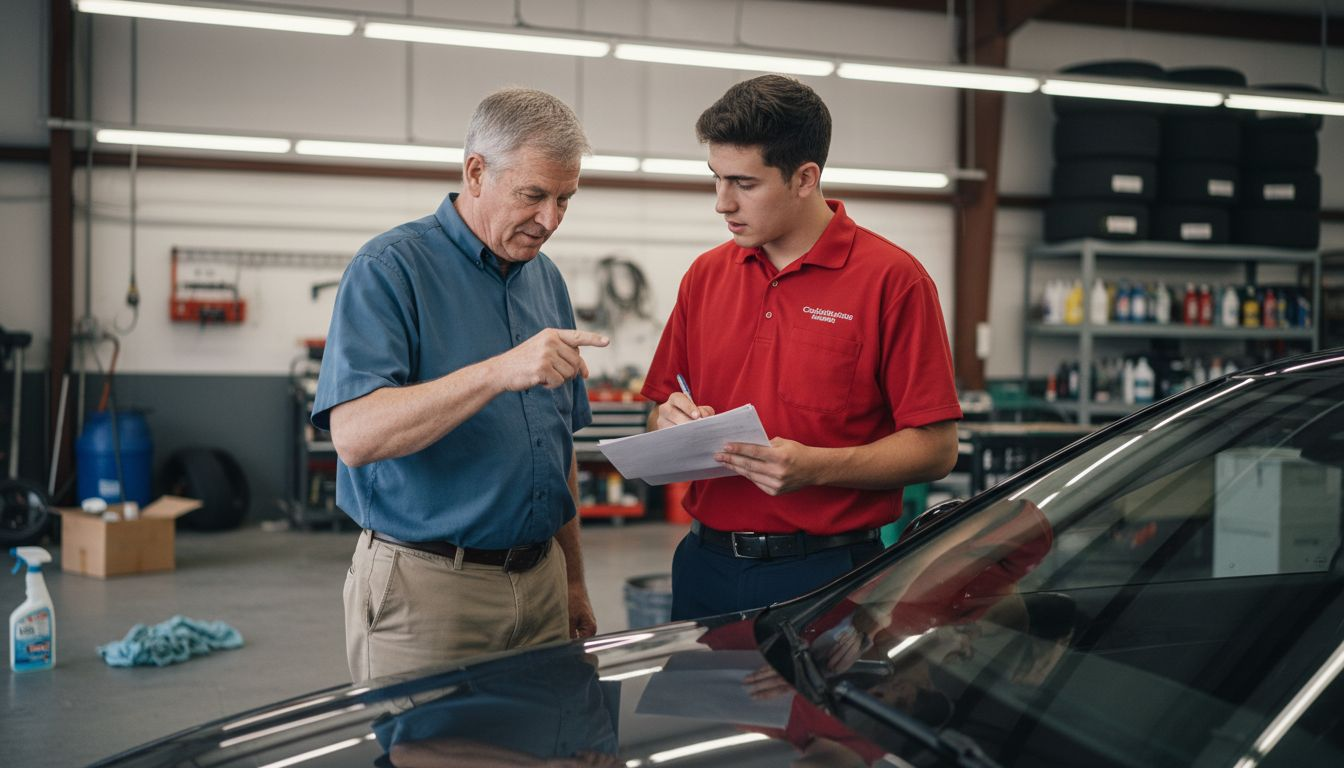
Pro tip: Regularly collect and analyze customer feedback to continuously refine your understanding of what truly drives satisfaction in auto detailing services.
Types of Customer Expectations and Needs
Understanding the intricate landscape of customer expectations is crucial for delivering exceptional auto detailing services. Customer expectations encompass multiple layers that go far beyond simple service delivery, representing a complex interaction between stated and unstated requirements.
Customers in auto detailing typically have four primary types of expectations:
- Stated Needs: Explicit service requests like exterior wash or interior cleaning
- Real Needs: Technical requirements such as paint protection or scratch removal
- Unstated Needs: Assumed expectations like punctuality and professional communication
- Delight Needs: Unexpected extras that create memorable experiences
Service Fundamentals form the core of customer expectations. Critical expectation parameters include professional courtesy, technical competence, service swiftness, and consistent commitment. These baseline expectations directly influence customer satisfaction and future service decisions.
Not all customer needs are voiced, but all are critically important to overall satisfaction.
Professional detailers must develop keen insights into these multilayered expectations. Successful service delivery means not just meeting stated requirements, but anticipating and addressing underlying customer desires that might remain unspoken.
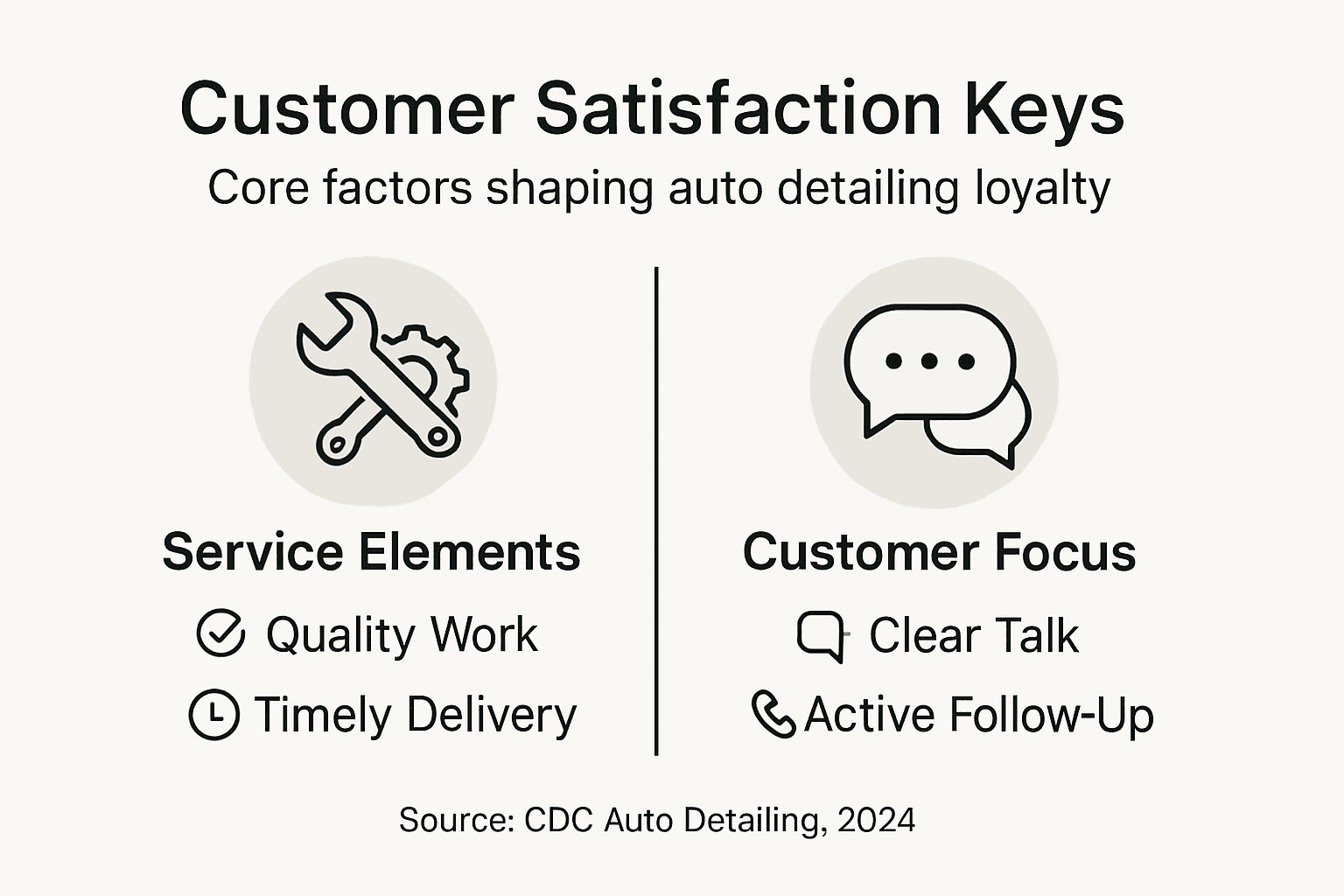
Pro tip: Develop a comprehensive customer intake process that allows clients to articulate both their explicit and implicit service expectations.
How Feedback Drives Service Improvements
Feedback represents a critical mechanism for continuous improvement in auto detailing services. Effective performance feedback provides essential insights that help professionals refine their approach, address potential shortcomings, and enhance overall customer satisfaction.
Key components of transformative feedback include:
- Corrective Information: Specific guidance on areas needing improvement
- Strategic Recommendations: Alternative approaches to service delivery
- Motivational Insights: Encouragement that drives performance enhancement
- Actionable Observations: Concrete suggestions for future service modifications
Feedback Dynamics are complex and nuanced. Future-oriented feedback strategies focus more on potential improvements rather than dwelling on past performance. This approach motivates service providers to continuously evolve and adapt their techniques, creating a dynamic learning environment.
Here’s a comparison of feedback types and their effects on auto detailing service improvements:
| Feedback Type | Main Purpose | Impact on Service Quality |
|---|---|---|
| Corrective Information | Address specific shortcomings | Reduces future errors and dissatisfaction |
| Strategic Recommendations | Suggest process adjustments | Drives innovation and service upgrades |
| Motivational Insights | Encourage improvement efforts | Boosts staff engagement and morale |
| Actionable Observations | Pinpoint clear future steps | Enables measurable quality enhancements |
Constructive feedback is not about criticism, but about creating pathways for continuous improvement and excellence.
Successful auto detailing professionals understand that feedback is a two-way dialogue. By creating open channels of communication, businesses can transform customer insights into tangible service enhancements, ultimately building stronger, more responsive relationships.
Pro tip: Implement a systematic feedback collection process that encourages honest, constructive input from customers and makes them feel genuinely heard.
Common Pitfalls and How to Prevent Them
In the competitive world of auto detailing, understanding potential service challenges is crucial for maintaining high customer satisfaction levels. Common satisfaction pitfalls can derail even the most well-intentioned businesses, creating opportunities for service improvement and strategic refinement.
Key pitfalls that detailing professionals must carefully navigate include:
- Expectation Mismanagement: Setting unrealistic service promises
- Communication Gaps: Failing to provide clear service updates
- Quality Inconsistency: Delivering variable service standards
- Complaint Mishandling: Ignoring or inadequately addressing customer concerns
- Cost-Value Perception: Misaligning pricing with perceived service quality
Proactive Prevention requires systematic approaches. Customer satisfaction monitoring involves implementing robust feedback mechanisms, consistently tracking service performance, and developing responsive improvement strategies. Understanding that the absence of complaints does not automatically indicate high satisfaction is a critical first step.
Below is a summary of common auto detailing pitfalls and prevention strategies:
| Pitfall | Business Risk | Prevention Strategy |
|---|---|---|
| Expectation Mismanagement | Disappointed clients, poor reviews | Set clear, realistic promises |
| Communication Gaps | Client confusion, missed details | Offer consistent service updates |
| Quality Inconsistency | Loss of trust, repeat issues | Standardize detail processes |
| Complaint Mishandling | Damaged reputation, lost loyalty | Train in active resolution |
| Cost-Value Perception | Pricing disputes, drop in sales | Regularly review pricing models |
Prevention is always more effective than damage control in maintaining customer trust.
Successful detailing businesses recognize that pitfalls are opportunities for growth. By developing transparent communication channels, setting realistic expectations, and demonstrating genuine commitment to continuous improvement, professionals can transform potential challenges into competitive advantages.
Pro tip: Create a structured feedback system that captures both positive experiences and areas of potential improvement, treating each customer interaction as a learning opportunity.
Elevate Your Auto Detailing Experience with CDC Auto Detailing
Customer satisfaction in detailing depends on exceeding expectations through consistent quality, clear communication, and genuine care. The article highlights key challenges like expectation management, quality inconsistency, and the importance of feedback. At CDC Auto Detailing, we understand these pain points and focus on delivering premium, personalized mobile services that prioritize your unique needs and ensure every detail shines.
Discover the difference that professional expertise and customer-centered service make by choosing CDC Auto Detailing for your vehicle’s care. Whether you seek meticulous interior and exterior detailing, advanced ceramic coatings, or reliable fleet services across South Jersey, we commit to elevating your satisfaction from scheduling to finish. Schedule your appointment today online at CDC Auto Detailing and experience a new standard of excellence designed around your expectations.
Frequently Asked Questions
What is customer satisfaction in auto detailing?
Customer satisfaction in auto detailing refers to the customer’s overall evaluation of the service experience, encompassing factors such as expectation management, quality of workmanship, communication, and perceived value.
How can detailers improve customer satisfaction?
Detailers can improve customer satisfaction by clearly communicating service capabilities, delivering consistent quality, providing transparent updates, and following up with clients after service to ensure their satisfaction.
Why is feedback important for auto detailing services?
Feedback is crucial for auto detailing services as it provides insights into areas needing improvement, helps refine service approaches, and enhances customer experiences through tailored adjustments based on client input.
What are common pitfalls in customer satisfaction for detailing services?
Common pitfalls include expectation mismanagement, communication gaps, quality inconsistencies, complaint mishandling, and misalignment of cost and perceived value, all of which can negatively impact customer trust and loyalty.
Recommended
- Role of Car Detailing for Resale: Maximizing Value
- Luxury Auto Detailing: Why Quality Matters Most
- Why Auto Detailing Boosts Vehicle Resale Value
- Why Professional Car Detailing Matters for Busy Car Owners
- Attention to Detail in Luxury Events: Creating Lasting Impressions – Winelands Function – For Every Occasion, Your Celebration