
Buy selectively, not the whole bundle. Skip vague dealer add-ons and put your money into paint protection film with certified installation, adding a mechanical protection plan only if your warranty gap or driving conditions justify it. ConsumerAffairs breaks protection plans into two clean categories, and that split is the key to shopping smart. Before signing anything, ask for itemized specs, written warranty terms, and proof of installer certification, the same standard shops like CDC Auto Detailing hold themselves to.
TL;DR:
- Protective paint films from certified manufacturers like 3M or Avery Dennison come with warranties spanning 5 to 10 years, making them suitable for long-term or high-mileage drivers.
- Dealer add-ons such as VIN etching, rust proofing sprays, and tire nitrogen fills typically lack genuine benefits and are often overpriced, so buyers should verify product brands, certifications, warranties, and exclusions beforehand.
- Applying ceramic coating before PPF or paint correction can cause adhesion issues, so paint correction should be done first, followed by PPF, then ceramic coating, with tint and interior protectants scheduled last.
- Mechanical protection plans are more cost-effective when repair costs are high, especially for vehicles with electronics or electric drivetrains, and should be compared with third-party options to ensure transparency and value.
- Choosing an installer with certified products, transparent procedures, and providing warranties and before/after photos ensures better quality, and local certified shops often offer more reliable, direct service than dealership packages.
Table of Contents
- What Does a New Car Protection Package Actually Include?
- How Do PPF, Ceramic Coating, and Tint Actually Work?
- Which Dealer Add-Ons Are Usually Not Worth It?
- Is a Protection Package Worth It for Your Car?
- In What Order Should You Apply New Car Protection?
- How Should You Evaluate an Installer’s Protection Offer?
- Where CDC Auto Detailing Fits Into Your Protection Plan
- Sources
What Does a New Car Protection Package Actually Include?
Every protection package on the market falls into one of two buckets: appearance protection or mechanical/financial protection. Mixing these up is where a lot of buyers get confused, and where dealers exploit that confusion at the finance desk.
ConsumerAffairs categorizes vehicle protection plans this way, and the distinction matters because the two types solve completely different problems. One protects how your car looks and holds resale value. The other hedges against what breaks.
- Paint protection film (PPF): a clear urethane layer that absorbs rock chips and road debris, typically warrantied 5 to 10 years by the film manufacturer.
- Ceramic coating: a chemical-resistant layer over paint that fights UV fading and stains, usually backed by the installer for 2 to 5 years.
- Window tint: film that blocks heat and UV rays, governed by state VLT laws rather than a mechanical warranty.
- Interior protectants: fabric or leather sealants that resist stains, generally a one-time application with no formal warranty.
- Rust proofing: an undercarriage treatment against corrosion, often warrantied by the applicator, not the automaker.
- Extended service contracts: cover mechanical repairs after the factory warranty ends, issued by either the manufacturer or a third-party administrator.
- GAP coverage: pays the gap between your loan balance and your car’s value if it’s totaled, sold through the dealer’s finance partner.
- Tire, wheel, windshield, and key protection: replacement coverage for specific damage types, almost always third-party administered.
Who issues the warranty changes everything. A manufacturer-backed plan is honored at any authorized dealer nationwide. A third-party installer’s warranty is only as good as that shop staying in business.
How Do PPF, Ceramic Coating, and Tint Actually Work?
Paint protection film is thermoplastic urethane, not vinyl, with a self-healing topcoat that uses heat to smooth out light scratches and swirl marks on its own. It’s typically applied to the hood, fenders, front bumper, and mirrors, the parts that take the brunt of highway debris. 3M’s Scotchgard Pro Series carries a 10-year warranty against yellowing and cracking, and that kind of manufacturer backing is worth more than a shop’s informal promise. Avery Dennison’s PPF films work on similar multi-layer construction with hydrophobic topcoats, applied through precision cut-and-plot workflows by certified installers rather than freehand.
Ceramic coating is a different tool for a different job. It resists UV fading, bird droppings, and chemical etching, and it makes washing easier, but it does nothing against a rock chip or a door ding. Treating ceramic coating as chip protection is the single most common mistake new-car buyers make.
Window tint cuts cabin heat and UV exposure, and modern films can reject a meaningful share of solar heat without going darker than legal limits allow. Tint, PPF, and ceramic coating can all coexist on the same car, but the order you apply them in matters more than most buyers realize.
- Full-vehicle PPF makes sense for cars you’ll keep long-term or drive on highways and gravel roads often.
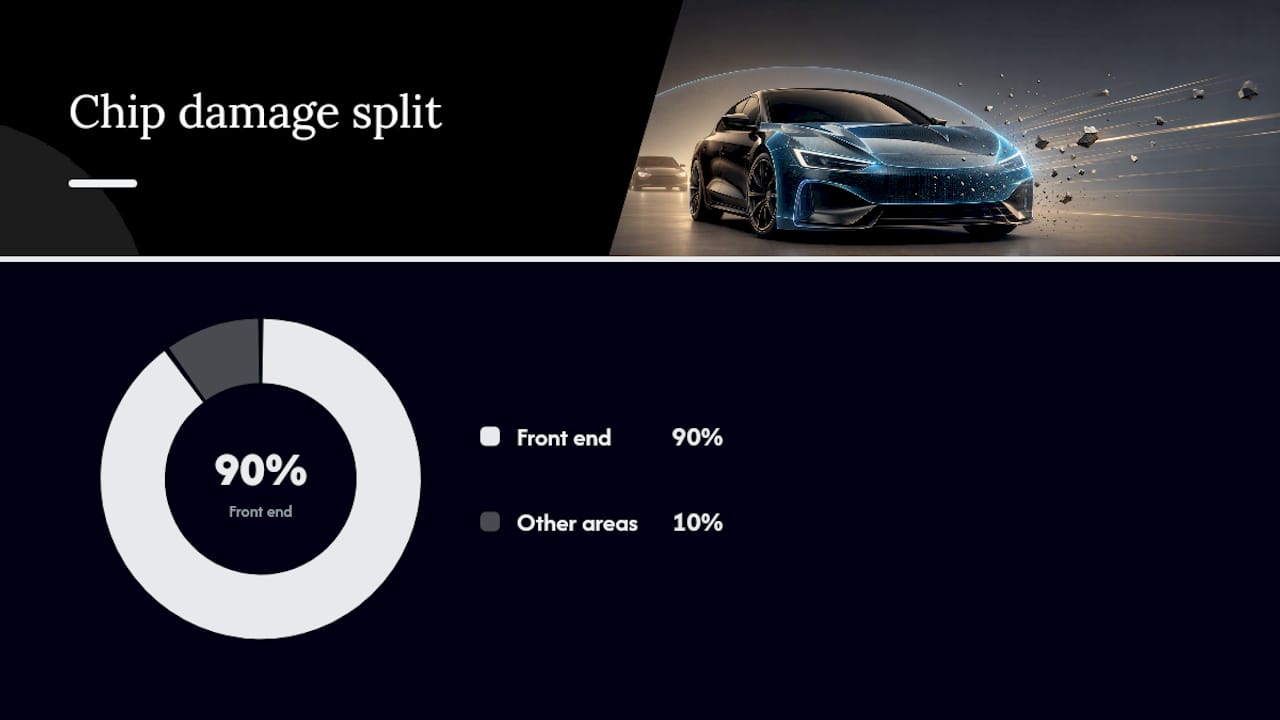
- Front-end coverage (hood, fenders, bumper, mirrors) fits tighter budgets and covers where 90% of chip damage actually happens.
Pro Tip: Ask your installer whether their ceramic coating is rated compatible with the specific PPF brand they use. Some coatings can haze or fail to bond properly over certain film topcoats.
Which Dealer Add-Ons Are Usually Not Worth It?
Finance offices love bundling cheap items into expensive-sounding packages. VIN etching, generic “rust proofing” sprays, and tire nitrogen fills are the classic examples: they cost the dealer very little and get marked up heavily, often with no meaningful benefit over what a modern car already has built in.
Before signing anything, ask these questions in this order:
- What brand is the actual product, and can I see the manufacturer’s name on the paperwork?
- Is the installer certified by that brand, and can I see proof?
- How long is the written warranty, and is it transferable if I sell the car?
- What exclusions and deductibles apply, and are they listed in the contract or verbally implied?
- Can I review the actual warranty certificate before I pay, not just a brochure?
If the finance manager can’t produce a written certificate on the spot, that’s your answer. Dealer bundles aren’t automatically bad, though. Factory-backed service contracts sold through the dealer, and PPF or coatings installed by an OEM-authorized shop, can be legitimate value. The way to verify it is simple: the warranty document should name the manufacturer or film brand directly, not just the dealership.
Is a Protection Package Worth It for Your Car?
Run through a short list of factors before spending a dollar. Mileage and use matter most: a car doing 20,000 highway miles a year needs PPF more than one parked in a garage most of the week. Resale horizon matters too. If you’re keeping the car 7+ years, front-end PPF pays for itself in preserved paint condition alone.
- Storage: street-parked cars need rustproofing and coatings more than garaged ones.
- Color and finish: dark colors and matte finishes show swirl marks and chips far more visibly, raising the case for PPF.
- Geography: gravel roads, road salt, and coastal air all shorten the life of unprotected paint and undercarriage metal.
- Budget: front-end PPF alone often lands in a reasonable mid-hundreds range, while full-vehicle coverage costs several times more.
As a rule of thumb, PPF earns its keep first for anyone who drives a lot or keeps cars long-term. Ceramic coating is worth adding mainly for the maintenance savings, not the protection story dealers pitch. Mechanical plans make more financial sense as repair costs climb, particularly on vehicles with complex electronics or EV drivetrains where a single component failure can run into thousands of dollars. Progressive’s Vehicle Protection plan, for comparison, covers items like minor dents and lost keys starting around $12 a month, which gives you a real benchmark when a dealer quotes a lump sum for similar coverage.
Negotiate the same way you’d negotiate the car price. Ask for the itemized cost of each protection item separately, then compare that total against what a third-party installer would charge for the same brand of film or coating.
In What Order Should You Apply New Car Protection?
Sequence isn’t a minor detail. Applying ceramic coating before PPF, or before a full paint correction, can cause adhesion problems and leave you redoing work you already paid for.
- Paint prep and correction first, removing swirl marks or dealer-lot scratches before anything gets applied.
- PPF installation, since the film needs clean, unsealed paint to bond correctly.
- Ceramic coating, applied over the PPF or the bare paint on uncovered panels, once the film has fully cured.
- Window tint, which doesn’t interact chemically with paint but is easiest to schedule alongside the other work.
- Interior protectants, done last since they don’t affect exterior sequencing at all.
A bundled installer that handles PPF, ceramic coating, and tint in one visit cuts down on scheduling headaches and reduces the risk of cross-contamination between products from different shops. Collect the warranty paperwork and product brand names for every item before you leave, and ask about aftercare rules, most coatings need 7 to 10 days to fully cure before their first wash.
Pro Tip: Keep the PPF and ceramic coating warranty documents together in one folder. If you sell the car, a transferable warranty can be a real selling point buyers will ask about.
How Should You Evaluate an Installer’s Protection Offer?
A professional detailer evaluates a protection offer the same way a mechanic evaluates a used car: check the paperwork before trusting the pitch. That means asking for the exact product brand, not a generic “premium film” or “professional-grade coating” label, and confirming the installer holds current certification from that brand.
Ask to see the prep and cure process in writing, and request before/after photos from recent installs, not stock manufacturer images. A shop offering certified PPF installation or a ceramic coating service with clear service pages and documented testimonials is signaling the same transparency you should demand from any dealer add-on. Mobile detailers using OEM-grade film and certified coatings can be a strong alternative to dealership installs, often at a lower markup and with more direct accountability if something goes wrong.
— Charles
Where CDC Auto Detailing Fits Into Your Protection Plan
Skipping the dealer finance-office guesswork is the real advantage here. Cdcautodetailing brings certified PPF, ceramic coating, and window tint installation directly to your driveway in South Jersey, so you get the same OEM-grade materials without a showroom markup or a rushed sales pitch.
Every job comes with documented product brands and warranty paperwork provided for review before you commit. When you book, ask about the specific film or coating brand being used, the cure window for your vehicle, and whether the warranty transfers if you sell the car. Cdcautodetailing’s ceramic coating service and paint protection film installation pages lay out coverage areas and pricing shape so you can compare them line by line against any dealer quote. For upkeep once the work is done, this ceramic coating maintenance guide covers the wash routine that keeps a fresh coating performing for its full warranty period. Ready to compare options? Request a quote through Cdcautodetailing’s ceramic coating page and get a written estimate before your next detailing appointment.