
Paint protection film (PPF) in Pitman, NJ typically costs between $500 for partial coverage and $8,000 or more for a full vehicle wrap, depending on coverage area, vehicle size, and film brand. Most drivers opt for a full front package ranging from $2,000 to $3,500. South Jersey pricing generally tracks slightly below Northern NJ and NYC-area shops. CDC Detailing LLC provides custom quotes based on your specific vehicle and coverage goals.
Why Pitman Drivers Are Investing in Paint Protection Film
Pitman sits squarely in South Jersey’s daily commuter belt, and the numbers tell a clear story about how much residents depend on their vehicles. According to DataUSA, sourced from U.S. Census Bureau American Community Survey data, Pitman residents average a 28.5-minute solo commute with roughly two cars per household, and the borough’s homeownership rate sits at 73.6%, well above the national average of 65.2%. These are households where a vehicle is not a luxury but a core asset, often representing tens of thousands of dollars of value sitting in the driveway every night.
Add New Jersey’s climate to the picture and the case for paint protection becomes even harder to ignore. The Garden State is firmly in the Salt Belt, where road crews spread corrosive salt across highways and local streets each winter to fight ice and snow. The New Jersey Conservation Foundation notes that road salt’s corrosive effects on cars, bridges, and roads result in approximately $5 billion in annual repair costs across the United States. Road salt accelerates paint degradation by attacking areas with pre-existing micro-scratches, exposing bare metal and inviting rust. On top of that, New Jersey’s coastal proximity means vehicles also contend with moisture-laden, salt-heavy air blown inland from the ocean. That combination, road salt below and ocean air above, makes exterior protection a genuinely smart investment for any car owner in the Pitman area.
How Much Does Paint Protection Film Cost in 2026?
PPF pricing is never one-size-fits-all. Coverage scope, vehicle complexity, film brand, and installer expertise all move the number significantly. Here is how the pricing landscape breaks down across common coverage tiers.
PPF Cost by Coverage Tier
| Coverage Tier | What’s Included | Typical Price Range |
|---|---|---|
| Partial Front | Front bumper, partial hood, partial fenders | $500 – $2,500 |
| Full Front Package | Full hood, front bumper, full fenders, mirrors, A-pillars | $2,000 – $3,500 |
| Full Vehicle | All painted panels, rocker panels, door edges, roof | $5,000 – $8,000+ |
| Custom / Rocker Panels Only | Lower door sills, rocker panels, rear bumper | $300 – $900 |
PPF Cost by Film Type
The film itself accounts for a significant portion of the total cost, and the tier you choose directly affects long-term performance. Standard PPF sits in the $500 to $1,500 range for most coverage zones. Self-healing PPF, which uses heat-activated urethane topcoats to recover from light scratches on their own, typically runs $1,500 to $3,500. Premium ceramic-infused or hydrophobic PPF, offering the most durable protection available, starts around $3,500 and can exceed $5,000 for comprehensive coverage. Expect to pay anywhere from 10% to 30% more for self-healing films compared to standard options.
According to Solar Gard, one of the world’s largest PPF manufacturers, pricing is set independently by professional installers rather than film brands, and many high-quality films carry warranties ranging from 7 to 12 years. That warranty window matters when you are comparing a $2,500 film investment against repeated paint touch-ups and rust remediation over the same period.
How Vehicle Size and Complexity Affect the Quote
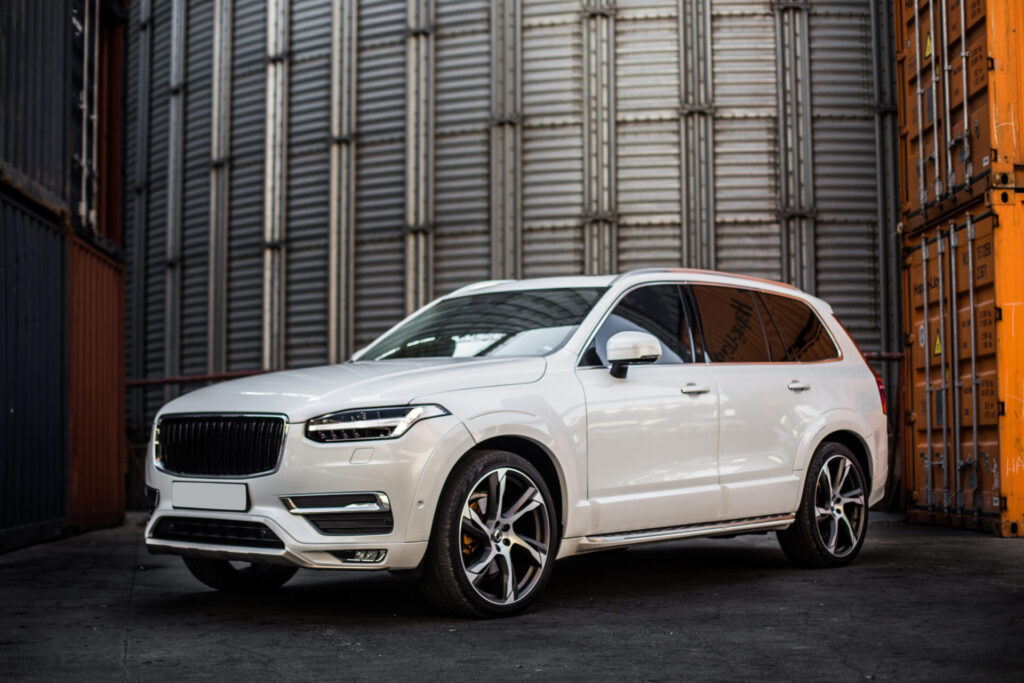
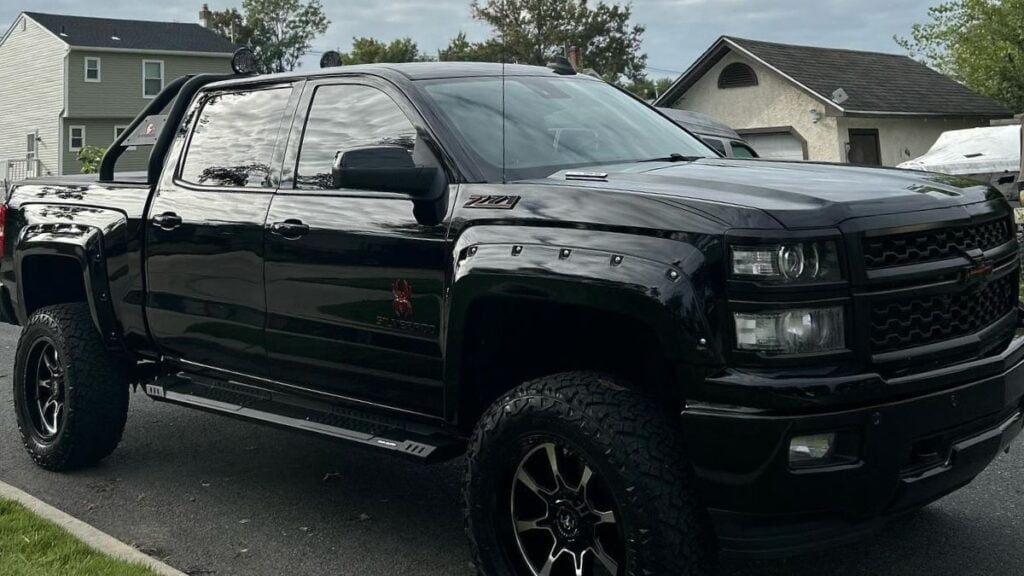
A compact sedan requires less material and less labor than a full-size SUV or pickup truck, and the difference in final cost can be significant. A luxury SUV with complex body lines, curved panels, and trim-heavy sections takes considerably more time to wrap cleanly than a straightforward sedan. Installers factor both material consumption and labor hours into every quote, which is why a precise price always requires an in-person or detailed vehicle assessment.
What Is Included in a Full Front PPF Package?
A full front package is the most popular entry point for drivers who want meaningful protection without committing to a full-vehicle investment. It typically covers the areas most exposed to highway debris: the complete hood surface, the front bumper fascia, both full front fenders, side mirrors, and in many cases the A-pillars. These are the zones that take the most punishment from rock chips, road grit, and gravel kicked up by other vehicles at highway speeds. For a South Jersey commuter regularly covering miles on Route 55 or the AC Expressway, this coverage tier hits the practical sweet spot between cost and protection.
Does Paint Protection Film Really Protect Against Rock Chips?
Yes, and that is precisely what the film is engineered to do. PPF is a thermoplastic urethane material, typically between 6 and 10 mils thick, that absorbs impact energy from road debris before it reaches the paint surface. High-quality self-healing films go a step further: minor surface scratches caused by car wash brushes, light key abrasions, or swipe marks from debris close on their own when the film is exposed to heat, either from sunlight or warm water. The film takes the damage so your paint does not have to.
Is Paint Protection Film Worth It for NJ Drivers?
For most Pitman drivers, the math works. Consider that a professional paint correction to address swirl marks and scratches before selling a vehicle can cost $600 to $1,000 on its own. A single rock chip repair at a body shop runs $150 to $400 depending on depth and location. A rust remediation job once corrosion sets into a chip can easily exceed $1,000 per panel. PPF eliminates most of these costs for the duration of the film’s life, which with premium products can be a decade or longer.
Beyond repair costs, PPF preserves the factory finish in showroom condition, which has direct resale value implications. A vehicle with documented PPF installation and an intact original paint surface commands measurably more at resale than a comparable car with road-worn paint. In a car-dependent community like Pitman, where households average two vehicles, protecting those assets makes practical and financial sense.
What Is the Difference Between PPF and Ceramic Coating?
These two products serve different but complementary roles. Paint protection film is a physical barrier, a layer of thick urethane that sits on top of the paint and absorbs physical impacts from road debris, gravel, and chips. Ceramic coating is a liquid polymer applied at the nano level that bonds chemically with the paint surface, creating a hardened, hydrophobic layer that repels water, dirt, and UV rays, but offers no meaningful impact resistance on its own.
PPF costs more upfront because it requires precision cutting and skilled installation. Ceramic coating typically runs $500 to $2,000 depending on product grade and vehicle size. Many detailers, including the ppf installers at CDC Detailing, offer combined packages where ceramic coating is applied over the PPF, giving you both impact protection and the hydrophobic, self-cleaning surface properties of ceramic in a single solution.
Does Paint Protection Film Need Paint Correction First?
If the paint surface has swirl marks, fine scratches, or oxidation, those imperfections will be permanently sealed under the film once it is applied. This is why professional installers assess paint condition before installation and often recommend correction work beforehand. A single-step polish on paint in good condition typically costs $300 to $400. If the paint shows deeper swirl marks or scratches, a multi-step paint correction runs $600 to $1,000. Doing that work before the film goes on ensures you are locking in a clean, flawless surface rather than preserving existing damage.
How Long Does Paint Protection Film Last?
With a professional installation using a premium film brand, PPF typically lasts 7 to 12 years under normal conditions. Longevity depends on the quality of the film, how the vehicle is maintained, and environmental exposure. Routine hand washing, avoiding automatic car washes with abrasive brushes, and annual inspections of film edges all contribute to maximizing the film’s lifespan. Most reputable installers back their work with manufacturer warranties that cover yellowing, bubbling, cracking, and peeling.
Can You Go Through a Car Wash With Paint Protection Film?
Touchless car washes are generally safe for PPF. Traditional brush-style automatic washes pose a risk because stiff bristles can lift film edges over time, particularly on older installations or where edges were not sealed perfectly. Hand washing remains the recommended maintenance method, and most PPF manufacturers specify a minimum curing period after installation, typically 48 to 72 hours, before the vehicle should be washed at all.
If you are protecting a vehicle that gets used hard, whether it is a daily commuter or a weekend car you want to keep pristine, a professional consultation makes sense before committing to a coverage tier or film product. Contact us at CDC Detailing to discuss your specific vehicle and get a no-obligation quote tailored to your protection goals.
Frequently Asked Questions About PPF Cost in Pitman, NJ
How much does paint protection film cost in New Jersey?
In New Jersey, PPF typically ranges from $500 for basic partial front coverage to over $8,000 for a full vehicle wrap. South Jersey pricing generally tracks slightly below Northern NJ and NYC metro rates due to lower overhead. Most drivers in the Pitman area invest between $2,000 and $3,500 for a comprehensive full front package covering the hood, bumper, fenders, and mirrors.
How much does it cost to PPF an entire car?
A full vehicle paint protection film installation typically costs between $5,000 and $8,000, sometimes more for larger trucks, luxury SUVs, or vehicles with complex body designs. Price varies based on the film brand selected, the installer’s labor rate, and the total surface area to be covered. Premium self-healing or ceramic-infused films sit at the higher end of that range.
Is PPF worth the cost for a daily driver in South Jersey?
For South Jersey commuters who face road salt in winter and highway gravel year-round, PPF is a financially sound investment. It prevents rock chip damage, resists salt corrosion, and preserves paint quality for resale. When weighed against cumulative repair costs over a 7 to 10-year period, professional PPF installation typically delivers measurable value for vehicles used regularly in NJ conditions.
What factors affect the price of paint protection film?
The main cost drivers are coverage area, vehicle size, body panel complexity, and film brand. Larger vehicles like SUVs and trucks require more material and labor. Premium self-healing or hydrophobic films cost more than standard urethane. Paint condition also matters: vehicles needing paint correction before installation will see additional costs of $300 to $1,000 depending on the extent of surface defects.
Does paint protection film increase resale value?
Yes, PPF helps maintain resale value by preserving the original factory paint in near-showroom condition. Buyers and dealerships assess paint quality closely at trade-in or private sale. A vehicle with intact, chip-free, properly maintained paint commands a higher price than a comparable model with road-worn or touched-up panels. PPF with documented installation history is a credible selling point in any used car transaction.
Pitman drivers looking to protect a new vehicle purchase, preserve a daily driver, or maximize resale value on a car they plan to sell have a clear-cut option in professional PPF installation. With South Jersey winters, salt-heavy roads, and vehicle-dependent commutes all working against your paint, the investment pays dividends across the life of the film. Visit CDC Detailing LLC to see the shop, read local reviews, and get started with a quote built around your specific vehicle and budget. The best time to protect your paint is before the damage happens.