
Long commutes across South Jersey and unpredictable weather can take a real toll on your vehicle’s looks and performance. Many owners assume a quick wash is enough, missing how deep cleaning, restoration, and protection keep both interior and exterior surfaces in top shape. Vehicle detailing goes further by defending against hidden damage, maintaining shine, and helping preserve long-term value. Understanding these specialized techniques ensures your car not only stands out but also lasts longer on the road.
Table of Contents
- Defining Vehicle Detailing And Common Myths
- Types Of Detailing And Core Techniques
- How Detailing Preserves Exterior Surfaces
- Interior Protection And Health Benefits
- Long-Term Savings And Resale Value
- Common Mistakes That Shorten Vehicle Life
Key Takeaways
| Point | Details |
|---|---|
| Professional Detailing Is Essential | Regular professional detailing goes beyond cleaning, preserving the vehicle’s value and structural integrity. |
| Myths About Detailing | Many consumers mistakenly view detailing as a luxury rather than a critical maintenance service that enhances a vehicle’s appearance and longevity. |
| Health Benefits of Interior Detailing | Thorough interior detailing improves air quality and mitigates allergens, creating a healthier environment for passengers. |
| Long-Term Financial Benefits | Investing in regular detailing can significantly reduce long-term repair costs and enhance resale value by preserving the vehicle’s condition. |
Defining Vehicle Detailing and Common Myths
Vehicle detailing is far more than a simple car wash. It represents a comprehensive, meticulous process of cleaning, restoring, and protecting both a vehicle’s interior and exterior surfaces using specialized techniques and professional-grade products. Auto detailing involves thorough cleaning and restoration that transforms a vehicle’s appearance and preserves its fundamental structural integrity.
Detailing encompasses multiple specialized services that go beyond standard cleaning:
- Exterior paint correction and protection
- Interior deep cleaning and sanitization
- Wheel and tire restoration
- Chrome and trim maintenance
- Paint sealant and ceramic coating application
Many vehicle owners mistakenly believe detailing is just an expensive wash. Vehicle detailing is actually a precision-driven service that involves intricate processes designed to maintain and enhance a vehicle’s aesthetic and functional qualities. Unlike basic car washes that merely remove surface dirt, professional detailing addresses microscopic imperfections and provides long-term protection.
Detailing is not about temporary shine – it’s about comprehensive vehicle preservation.
Common myths surrounding vehicle detailing often prevent car owners from understanding its true value. The detailing process involves specialized restoration techniques that address both cosmetic and protective aspects of vehicle maintenance. Some prevalent misconceptions include:
- Detailing is just an unnecessary luxury
- Any cleaning product works the same
- DIY methods are equivalent to professional services
- Detailing doesn’t impact long-term vehicle value
Understanding these nuances helps vehicle owners make informed decisions about maintaining their automotive investments. Professional detailing goes beyond surface-level cleaning, providing protection against environmental damage, preserving paint quality, and maintaining interior surfaces.
Here’s how professional vehicle detailing differs from a basic car wash:
| Criteria | Basic Car Wash | Professional Detailing |
|---|---|---|
| Cleaning Depth | Removes surface dirt only | Targets microscopic contaminants |
| Tool Use | Standard brushes and soaps | Specialized tools and products |
| Interior Care | Limited or none | Complete cabin restoration |
| Protection Offered | Minimal short-term | Long-term paint and surface protection |
| Value Impact | No significant effect | Preserves value and longevity |
Pro tip: Schedule a professional detailing service at least twice annually to maintain your vehicle’s appearance and protect its long-term value.
Types of Detailing and Core Techniques
Vehicle detailing is a comprehensive process divided into two primary categories: exterior and interior detailing. Exterior detailing involves sophisticated cleaning techniques designed to restore and protect a vehicle’s outer surfaces, while interior detailing focuses on thoroughly cleaning and preserving the vehicle’s cabin environment.
Exterior Detailing encompasses several critical techniques:
- Paint correction and polishing
- Scratch and swirl mark removal
- Protective coating application
- Chrome and trim restoration
- Wheel and tire treatment
Exterior detailing requires specialized tools and professional-grade products to address microscopic imperfections in the vehicle’s paint and surface materials. Professionals use multiple steps including washing, decontamination, paint correction, and protective coating application to achieve optimal results.
Interior Detailing involves equally precise techniques for maintaining a vehicle’s cabin:
- Deep vacuuming with specialized attachments
- Steam cleaning of upholstery
- Leather conditioning
- Dashboard and console sanitization
- Odor elimination treatments
Interior detailing focuses on comprehensive cabin maintenance that goes beyond simple cleaning. Technicians use microfiber cloths, specialized cleaners, and precision tools to reach every crevice, ensuring a thorough restoration of interior surfaces.
Professional detailing transforms a vehicle from clean to meticulously restored.
The core techniques of vehicle detailing require extensive knowledge, specialized equipment, and a systematic approach. Unlike basic car washing, professional detailing addresses both cosmetic appearance and long-term preservation of automotive surfaces.
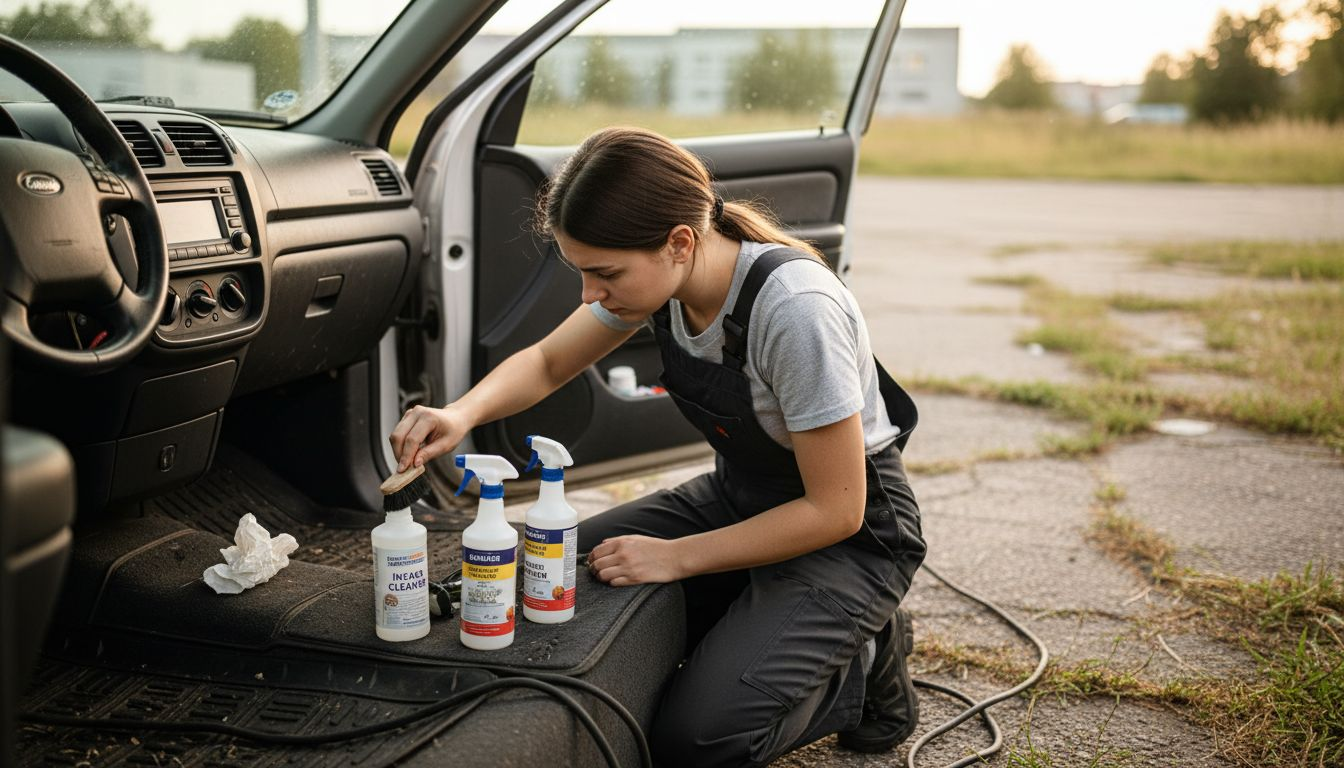
Pro tip: Invest in high-quality microfiber towels and use them with specific cleaning products designed for different vehicle surfaces to achieve professional-level results.
See how exterior and interior detailing provide unique benefits:
| Area | Main Purpose | Key Benefits | Typical Frequency |
|---|---|---|---|
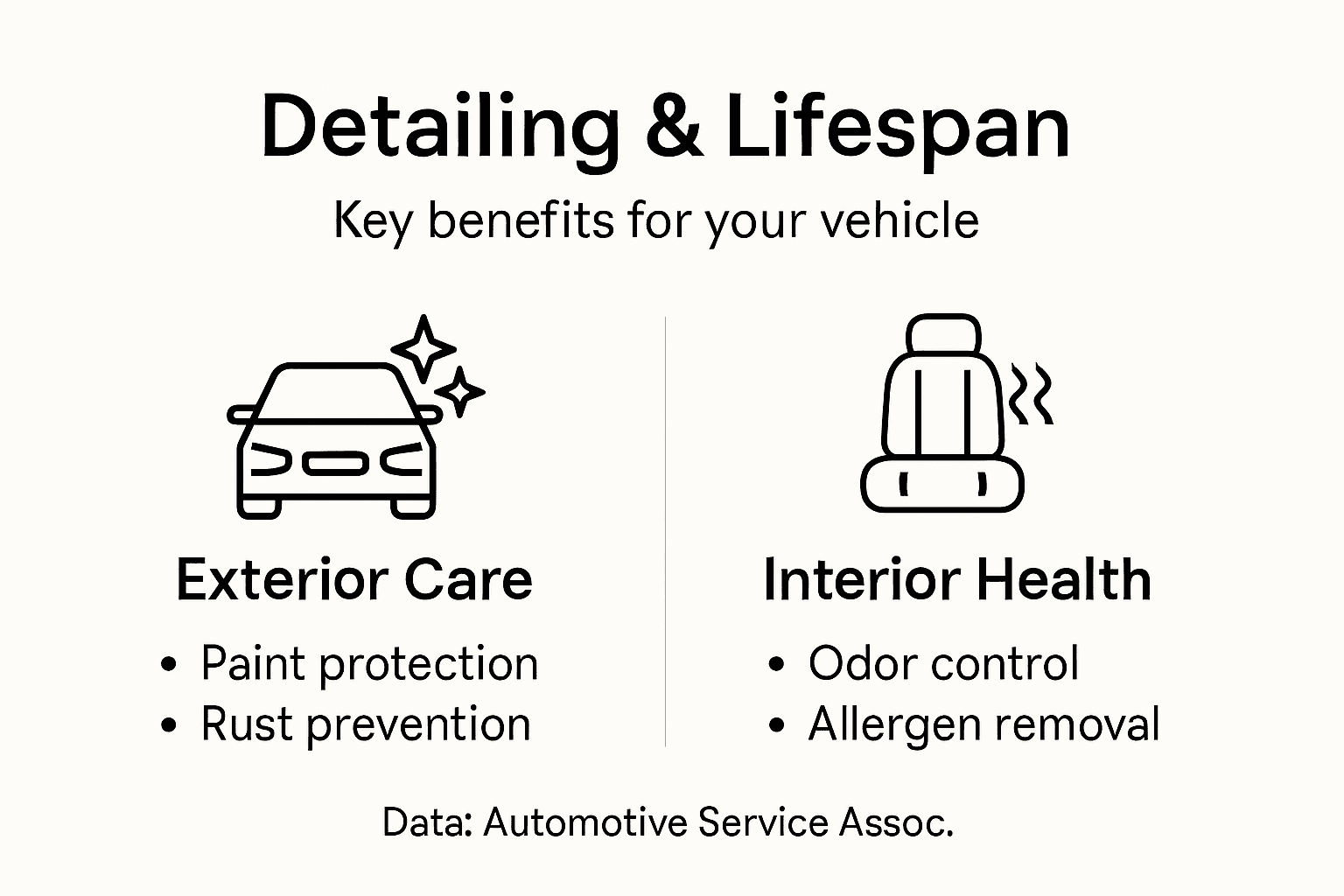
| Exterior | Protect & restore paint | Prevent oxidation, enhance shine | 1-2 times per year |
| Interior | Sanitize & preserve cabin | Improve air quality, remove allergens | Twice per year for health |
How Detailing Preserves Exterior Surfaces
Vehicle exterior surfaces face constant bombardment from environmental challenges that can dramatically compromise their integrity and appearance. Detailing plays a crucial role in preserving exterior surfaces by creating protective barriers against harmful elements like UV rays, road debris, industrial fallout, and atmospheric pollutants.
Protective Mechanisms in exterior detailing include:
- Removing microscopic contaminants
- Applying specialized sealants
- Correcting paint imperfections
- Creating UV-resistant layers
- Preventing oxidation and corrosion
Professional detailing goes far beyond simple washing. Technicians use advanced techniques to address surface degradation at a molecular level, systematically removing oxidation, minor scratches, and environmental residues that compromise paint quality and vehicle aesthetics.
Protective layers prevent exterior surface degradation through multiple strategic interventions. Ceramic coatings, paint sealants, and specialized waxes create microscopic barriers that repel water, resist chemical contaminants, and minimize the potential for long-term damage. These protective treatments effectively slow down the natural aging process of automotive paint and exterior materials.
Consistent detailing transforms surface protection from reactive maintenance to proactive preservation.
The scientific approach of professional detailing involves understanding material science, chemical interactions, and precise application techniques. By systematically addressing potential damage sources, detailing professionals can significantly extend the functional and aesthetic lifespan of a vehicle’s exterior surfaces.
Pro tip: Apply a high-quality ceramic coating annually to create a durable, long-lasting protective barrier that shields your vehicle’s paint from environmental damage.
Interior Protection and Health Benefits
Vehicle interior detailing goes beyond aesthetic cleaning by creating a healthier environment for passengers. The process systematically removes hidden contaminants, allergens, and potential health hazards that accumulate in vehicle cabins over time.
Key Health Protection Areas include:
- Eliminating dust and microscopic allergens
- Preventing mold and bacterial growth
- Removing trapped pollutants
- Sanitizing high-touch surfaces
- Improving overall air quality
Professional detailing techniques address deep-seated contamination that standard cleaning methods cannot reach. Specialized tools and professional-grade sanitization products penetrate fabric fibers, air conditioning systems, and hard-to-clean crevices, effectively reducing potential health risks.
Interior cleaning mitigates vehicle-related health risks by targeting specific sources of contamination. Advanced detailing processes focus on comprehensive sanitization, targeting areas like air vents, seat upholstery, and dashboard surfaces where pollutants and allergens tend to accumulate and multiply.
A thoroughly detailed vehicle interior is a shield against environmental health hazards.
The comprehensive approach to interior detailing involves more than surface cleaning. By addressing microscopic contaminants and using professional-grade sanitization techniques, detailing professionals create a cleaner, safer environment that supports respiratory health and overall passenger well-being.
Pro tip: Perform a deep interior detail every six months to maintain a healthy vehicle environment and prevent long-term buildup of harmful contaminants.
Long-Term Savings and Resale Value
Vehicle maintenance through professional detailing represents a strategic financial investment that significantly reduces long-term ownership expenses. By proactively protecting a vehicle’s aesthetic and functional components, owners can substantially minimize depreciation and unexpected repair costs.
Financial Benefits of Regular Detailing include:
- Preventing premature paint deterioration
- Reducing mechanical wear and tear
- Maintaining optimal vehicle appearance
- Minimizing potential repair expenses
- Preserving structural integrity
Detailing acts as a protective shield against environmental damage, chemical degradation, and mechanical stress. Professional treatments create microscopic protective layers that defend against rust, oxidation, and material breakdown, which can lead to expensive repairs and reduced vehicle performance.
The economic impact of consistent detailing extends far beyond surface-level maintenance. By addressing potential issues before they become significant problems, vehicle owners can save thousands of dollars in potential repair and replacement costs. High-quality detailing maintains a vehicle’s structural and aesthetic value, directly influencing its market resale potential.
Strategic vehicle maintenance is an investment, not an expense.
Resale markets consistently demonstrate that well-maintained vehicles command significantly higher prices. Potential buyers can immediately recognize the difference between a meticulously detailed vehicle and one that has been neglected, making professional detailing a critical factor in maximizing financial returns.
Pro tip: Document your professional detailing services and maintain a comprehensive maintenance record to maximize your vehicle’s resale value and demonstrate consistent care.
Common Mistakes That Shorten Vehicle Life
Vehicle maintenance mistakes can dramatically accelerate automotive deterioration by introducing unnecessary stress and premature wear on critical vehicle components. Understanding these common errors is crucial for preventing long-term damage and maintaining optimal vehicle performance.
Critical Mistakes That Compromise Vehicle Longevity include:
- Neglecting routine maintenance schedules
- Ignoring warning indicator lights
- Using inappropriate cleaning products
- Delaying minor repairs
- Practicing aggressive driving habits
Many vehicle owners inadvertently contribute to accelerated wear through seemingly minor oversights. Improper maintenance practices, such as irregular oil changes, skipping scheduled inspections, and using harsh cleaning chemicals, can cause significant and often irreversible damage to automotive systems.
Overlooking preventative maintenance creates cascading mechanical issues that progressively compromise vehicle reliability. Small problems left unaddressed can escalate into expensive repairs, reducing overall vehicle performance and shortening its functional lifespan.
Consistent maintenance is the foundation of vehicle longevity and reliability.
Understanding the nuanced relationship between maintenance practices and vehicle health requires a proactive approach. By recognizing and avoiding common mistakes, vehicle owners can significantly extend their automotive investment’s operational life and maintain its structural integrity.
Pro tip: Create a digital maintenance log to track service history, set reminders for routine checks, and consistently monitor your vehicle’s performance indicators.
Protect Your Vehicle’s Lifespan with Expert Detailing Services
Understanding the crucial role of professional vehicle detailing in extending your car’s life means recognizing the importance of precision cleaning, surface protection, and interior sanitization. Whether it is shielding your paint with ceramic coatings or maintaining a healthy cabin environment, neglecting these essential steps can lead to accelerated wear and costly repairs. At CDC Auto Detailing, we address the challenges highlighted in the article such as preventing oxidation, eliminating contaminants, and preserving your vehicle’s value through comprehensive mobile detailing tailored to your needs.

Experience the peace of mind that comes with expert care right at your doorstep in Pitman, New Jersey and across South Jersey. Visit our professional mobile car detailing service to explore premium interior and exterior treatments, including ceramic coatings and paint protection films designed to shield every surface. Don’t wait for damage to reduce your vehicle’s life schedule your appointment now and invest in your car’s longevity with CDC Auto Detailing.
Learn more about how our high-quality detailing packages can help you maintain showroom-quality finishes and a healthier environment inside your vehicle.
Frequently Asked Questions
How often should I have my vehicle detailed to maintain its lifespan?
Regular detailing is recommended at least twice a year, which helps preserve your vehicle’s aesthetic and protects its long-term value.
What are the main benefits of professional vehicle detailing?
Professional detailing not only enhances the appearance of your vehicle but also protects against environmental damage, maintains paint quality, and reduces the buildup of harmful contaminants inside the cabin.
Can DIY detailing methods provide the same benefits as professional services?
While DIY methods can clean your vehicle, they often lack the specialized techniques and professional-grade products used in detailing, potentially missing microscopic imperfections and reducing long-term protection.
What mistakes should I avoid to extend my vehicle’s lifespan?
Common mistakes include neglecting routine maintenance, using inappropriate cleaning products, and delaying minor repairs. Consistent maintenance and proper care can significantly enhance your vehicle’s longevity.