
A long work week and South Jersey weather can leave your vehicle looking dull fast. Protecting your car’s finish matters whether you drive for everyday errands or cherish every gleam as an enthusiast. With proper car waxing, you get more than a shiny appearance—your paint receives an extra layer of shield against bird droppings, sun damage, and road grime. Discover how making the right wax choice and understanding common myths can help keep your vehicle looking fresh and lasting longer.
Table of Contents
- Car Waxing Defined And Common Myths
- Types Of Car Wax And Key Differences
- How Car Wax Works To Protect Paint
- Proper Car Waxing Process And Frequency
- Risks, Costs, And Alternatives To Waxing
Key Takeaways
| Point | Details |
|---|---|
| Understanding Wax Types | Car wax comes in several formulations, including Carnauba Wax and Synthetic Paint Sealants, each offering different protection and aesthetic qualities. |
| Protective Benefits of Waxing | Regular waxing provides a protective barrier against environmental damage, preventing wear from factors like UV radiation and contaminants. |
| Proper Waxing Techniques | Ensure optimal results by applying wax to a clean, dry surface using circular motions and following specific product instructions. |
| Alternatives to Traditional Waxing | Consider options such as Polymer Sealants or Ceramic Coatings for longer-lasting protection and reduced maintenance needs. |
Car Waxing Defined and Common Myths
Car waxing is a critical maintenance technique that protects and enhances your vehicle’s exterior appearance. Understanding car waxing methods involves knowing the right products, techniques, and benefits for preserving your car’s finish.
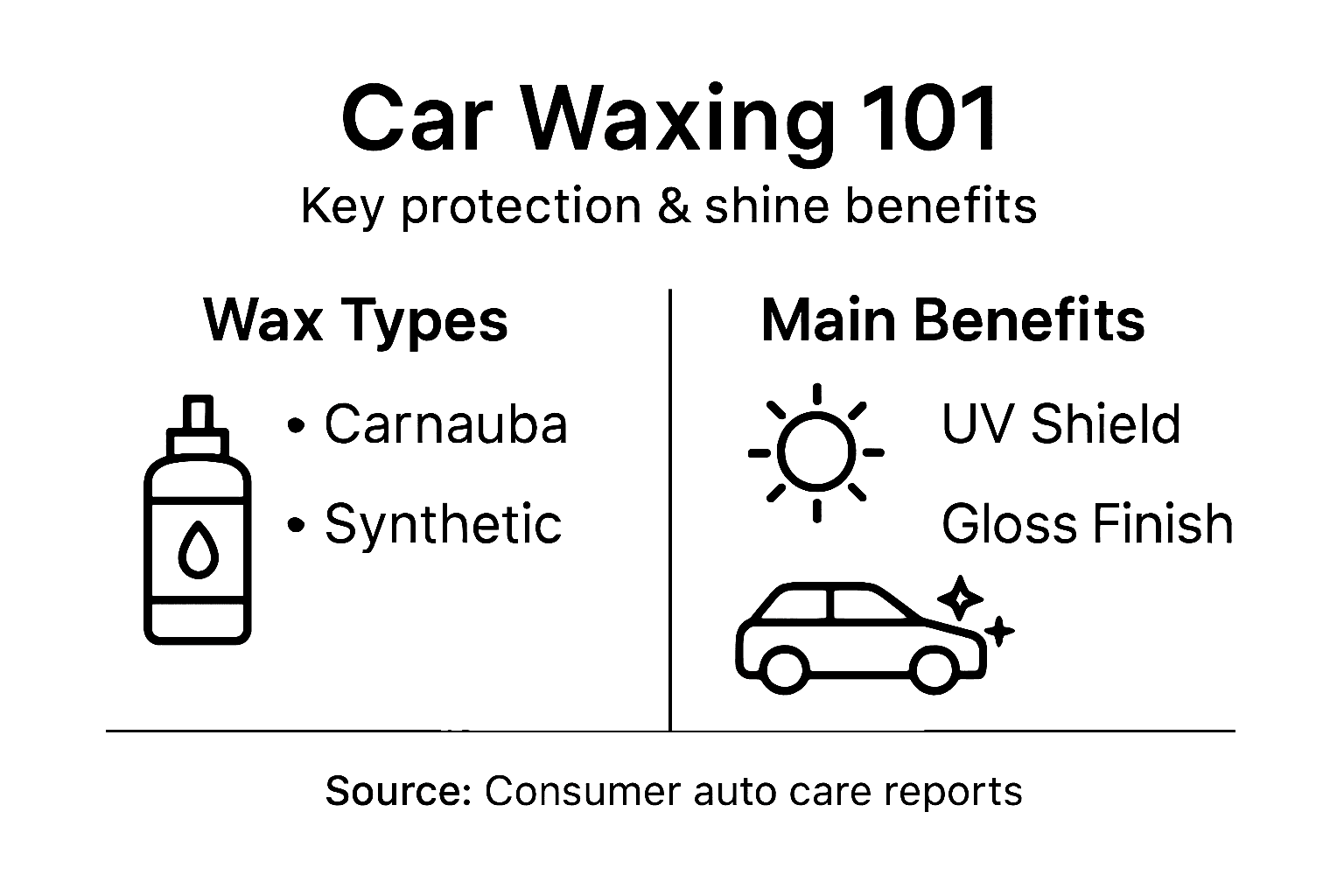
There are two primary types of car wax products available for automotive enthusiasts:
- Carnauba Wax: Derived from Brazilian palm leaves, this natural wax provides an exceptional high-gloss finish
- Paint Sealant: A polymer-based product offering longer-lasting protection and durability
Many vehicle owners misunderstand car waxing, believing it’s unnecessary or purely cosmetic. However, regular vehicle maintenance reveals that waxing serves multiple critical protective functions beyond aesthetic appeal.
Common myths about car waxing often mislead car owners. Let’s debunk some prevalent misconceptions:
- Myth: Waxing is just about making a car look shiny
- Reality: Waxing provides a protective layer against environmental damage
- Myth: Car wash wax applications are sufficient
- Reality: Professional or manual waxing offers more comprehensive protection
Proper car waxing creates a barrier that shields your vehicle’s paint from harmful contaminants like bird droppings, road salt, and ultraviolet radiation.
Pro tip: Always apply wax to a clean, dry surface and follow manufacturer-specific instructions to achieve the best protective results.
Types of Car Wax and Key Differences
Car wax comes in multiple formulations designed to protect and enhance your vehicle’s exterior. Automotive wax technologies have evolved significantly, offering vehicle owners diverse options for paint protection and aesthetic enhancement.
The primary types of car wax include:
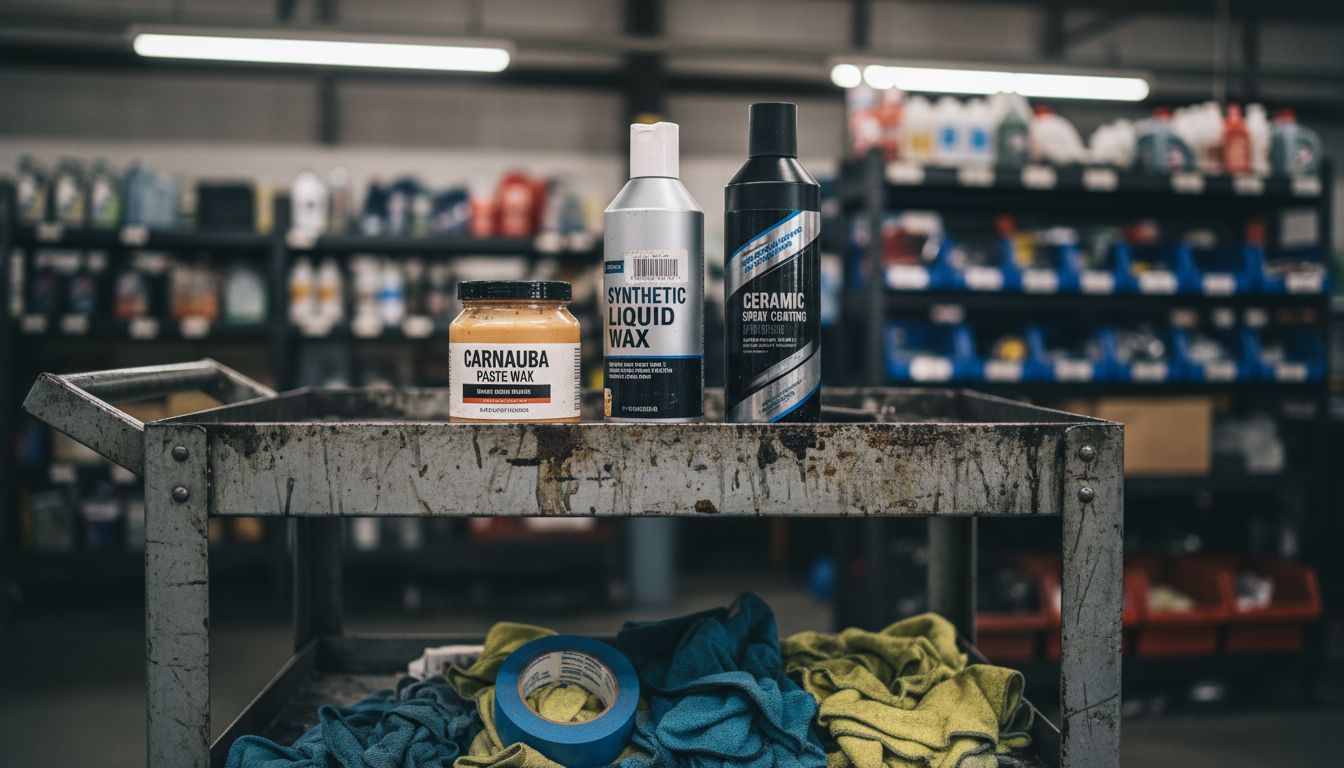
- Natural Carnauba Wax: Derived from palm leaves, providing deep glossy finish
- Synthetic Paint Sealants: Polymer-based protection with extended durability
- Hybrid Waxes: Combining natural and synthetic ingredients
- Ceramic Coatings: Advanced protective layer with maximum longevity
Consumer product testing reveals significant variations in wax performance across different product categories. Liquid, gel, and paste waxes each offer unique application characteristics and protective qualities.
Here’s a concise comparison of car wax types and their distinguishing features:
| Wax Type | Appearance Impact | Protection Longevity | Typical Cost Level |
|---|---|---|---|
| Carnauba Wax | Deep, glossy shine | Short-term (4-6 weeks) | Low |
| Synthetic Sealant | High gloss, less depth | Medium-term (3-4 months) | Moderate |
| Hybrid Wax | Moderate gloss, versatile | Medium (up to 4 months) | Moderate |
| Ceramic Coating | Highly reflective, slick | Long-term (1+ year) | High |
Product selection depends on several critical factors:
- Desired appearance intensity
- Budget constraints
- Required durability
- Ease of application
- Environmental protection needs
Professional detailers recommend selecting a wax that balances aesthetic appeal with robust protective capabilities.
Pro tip: Match your car wax selection to your specific vehicle’s paint type and your maintenance commitment level for optimal results.
How Car Wax Works to Protect Paint
Car wax creates a sophisticated protective barrier that shields your vehicle’s exterior from multiple environmental threats. Wax protective mechanisms involve creating a microscopic layer that repels contaminants and prevents direct damage to the paint surface.
The protective properties of car wax include:
- Creating a water-resistant barrier
- Filling minor paint surface imperfections
- Blocking ultraviolet radiation
- Preventing oxidation and paint degradation
- Reducing environmental chemical interactions
Chemical compound research demonstrates that automotive waxes function through complex molecular interactions. Natural carnauba and synthetic polymer waxes form a hydrophobic layer that actively repels water, dirt, and potential contaminants.
The molecular structure of car wax enables multiple protective mechanisms:
- Sealing microscopic paint surface pores
- Creating a smooth, reflective exterior
- Preventing direct environmental contact with paint
- Reducing friction and potential scratch formation
Wax transforms your car’s exterior into a resilient shield, defending against daily environmental challenges.
Pro tip: Reapply car wax every three to four months to maintain consistent protective coverage and optimal paint preservation.
Proper Car Waxing Process and Frequency
Car waxing requires meticulous preparation and precise technique to achieve optimal protection for your vehicle’s exterior. Vehicle waxing techniques demand careful attention to detail and systematic application for maximum effectiveness.
Step-by-step waxing process:
- Thoroughly wash vehicle surface
- Dry completely with microfiber towel
- Select appropriate wax type
- Apply wax in small circular motions
- Allow wax to haze
- Buff with clean microfiber cloth
Car maintenance experts recommend specific waxing frequencies based on product type and environmental conditions:
- Carnauba Wax: Reapply every 4-6 weeks
- Synthetic Paint Sealants: Reapply every 3-4 months
- Ceramic Coatings: Annual professional application recommended
Key considerations for effective waxing include:
- Surface temperature during application
- Quality of cleaning before waxing
- Consistency of application technique
- Environmental exposure of the vehicle
- Type of wax selected
Professional detailers emphasize that proper waxing is more about technique than frequency.
Pro tip: Always test wax application on a small, inconspicuous area first to ensure compatibility with your vehicle’s specific paint finish.
Risks, Costs, and Alternatives to Waxing
Car waxing involves strategic financial and maintenance considerations that extend beyond simple aesthetic enhancement. Automotive maintenance expenses reveal multiple factors vehicle owners must carefully evaluate before committing to a waxing strategy.
Potential risks associated with car waxing include:
- Potential paint surface scratching
- Inconsistent application leading to uneven protection
- Time-intensive maintenance requirements
- Increased labor and material costs
- Temporary protection that requires frequent reapplication
Cost comparison of paint protection methods:
- Traditional Carnauba Wax: Lowest upfront cost
- Synthetic Paint Sealants: Moderate cost, longer durability
- Ceramic Coatings: Highest initial investment, most comprehensive protection
Alternative protection methods offer vehicle owners diverse options beyond traditional waxing:
Below is a summary of alternative paint protection options beyond traditional waxing:
| Method | Durability | Protection Level | Professional Application Required |
|---|---|---|---|
| Polymer Sealant | 4-6 months | Good chemical resistance | No |
| Ceramic Coating | 1-5 years | Superior hardness | Often |
| Paint Protection Film | 5+ years | Impact and chip defense | Yes |
- Polymer Sealants: More durable than traditional wax
- Ceramic Coatings: Professional-grade protection
- Paint Protection Film: Comprehensive physical barrier
Professional detailers recommend selecting a protection method that balances cost, durability, and personal maintenance commitment.
Pro tip: Consider your vehicle’s age, usage environment, and budget when selecting a paint protection strategy to maximize long-term value and appearance.
Protect Your Car’s Shine with Expert Waxing and Detailing
Maintaining your vehicle’s paint protection is a crucial step to prevent damage from environmental hazards like UV rays and road salt as discussed in the article. If you want to preserve that deep glossy shine and extend the life of your car’s finish, professional application of high-quality car wax or ceramic coatings can make all the difference. Don’t settle for inconsistent DIY waxing when you can trust specialists who understand the best waxing techniques and product types to shield your investment.

Let CDC Auto Detailing in Pitman, New Jersey deliver premium mobile car waxing and detailing services right at your doorstep. Whether you need traditional carnauba wax, advanced ceramic coatings, or full exterior protection, our experts tailor solutions to your vehicle’s needs and your lifestyle. Act now to keep your car looking showroom fresh and safeguarded against daily wear. Schedule your expert detail and waxing appointment today at CDC Auto Detailing and discover why South Jersey drivers rely on us for lasting paint protection. Learn more about our full range of services to experience the difference:Car Detailing Services | Exterior Detailing and Protection | Schedule Your Appointment
Frequently Asked Questions
What is car waxing and why is it important?
Car waxing is a maintenance technique that protects and enhances your vehicle’s exterior appearance by creating a protective layer against environmental damage, such as UV rays, dirt, and contaminants.
How often should I wax my car?
The frequency of waxing depends on the type of wax used: Carnauba wax should be reapplied every 4-6 weeks, synthetic paint sealants every 3-4 months, and ceramic coatings typically need an annual professional application.
What are the different types of car wax products?
The main types of car wax products include Carnauba wax, synthetic paint sealants, hybrid waxes, and ceramic coatings, each offering different levels of durability, protection, and shine.
How does car wax protect my vehicle’s paint?
Car wax creates a hydrophobic barrier that repels water and contaminants, blocks UV radiation, prevents oxidation, fills minor surface imperfections, and reduces friction, ultimately preserving the paint finish and enhancing the vehicle’s appearance.