
Keeping commercial vehicles in prime condition takes more than a basic wash. For fleet managers and small business owners in South Jersey, professional detailing goes beyond cleaning by deeply restoring both the interior and exterior of trucks, vans, and specialized business vehicles. Regular attention not only preserves the look but also helps protect your investment and keeps your business running smoothly. Discover how a thorough, methodical approach to commercial vehicle care ensures reliability and lasting value for every asset in your fleet.
Table of Contents
- Defining Commercial Vehicle Detailing Services
- Types of Vehicles and Specialized Approaches
- Essential Steps in the Detailing Process
- Fleet Maintenance and Business Impact
- Cost Factors, Common Risks, and Industry Best Practices
Key Takeaways
| Point | Details |
|---|---|
| Specialized Detailing Service | Commercial vehicle detailing goes beyond basic cleaning, focusing on thorough maintenance that protects and enhances the functionality of business vehicles. |
| Targeted Strategies by Vehicle Type | Different commercial vehicles require specific detailing approaches tailored to their operational needs and challenges, ensuring optimal care and performance. |
| Impact on Business Operations | Regular professional detailing contributes to extended vehicle lifespan and reduced repair costs, transforming maintenance into a strategic investment for businesses. |
| Cost Considerations and Risks | Companies must evaluate both direct and indirect costs associated with detailing to mitigate risks and improve overall operational efficiency. |
Defining Commercial Vehicle Detailing Services
Commercial vehicle detailing represents a specialized professional service that goes far beyond standard washing or basic cleaning. Professional detailing involves thorough cleaning and restoration of commercial transportation assets, focusing on comprehensive maintenance of vehicles used in business operations. Unlike consumer car washing, this service addresses the unique demands of fleet managers and business owners who rely on their vehicles as critical operational infrastructure.
The core objective of commercial vehicle detailing is preserving the functional appearance and structural integrity of work vehicles. This includes trucks, vans, construction equipment, agricultural machinery, delivery vehicles, and other transportation assets that generate revenue for businesses. Detailing professionals meticulously clean both exterior surfaces and interior compartments, removing dirt, grime, salt residue, and environmental contaminants that can degrade vehicle performance and aesthetic appeal.
Typical commercial vehicle detailing services encompass several key processes designed to protect and enhance vehicle condition. These often include:
- Comprehensive exterior washing and decontamination
- Paint surface protection and restoration
- Interior deep cleaning and sanitization
- Undercarriage treatment and rust prevention
- Window and glass restoration
- Trim and surface conditioning
By investing in professional detailing, businesses can extend vehicle lifespan, maintain professional image, and prevent costly long-term damage from environmental exposure and neglect.
Pro Tip: Schedule regular detailing services during slower business periods to minimize operational disruption and maximize vehicle maintenance efficiency.
Types of Vehicles and Specialized Approaches
Commercial vehicle classifications encompass a wide range of transportation assets, each requiring unique detailing strategies tailored to their specific operational demands and structural characteristics. From light-duty delivery vans to heavy-duty construction equipment, professional detailers must understand the nuanced requirements of different vehicle types to deliver optimal cleaning and protection services.
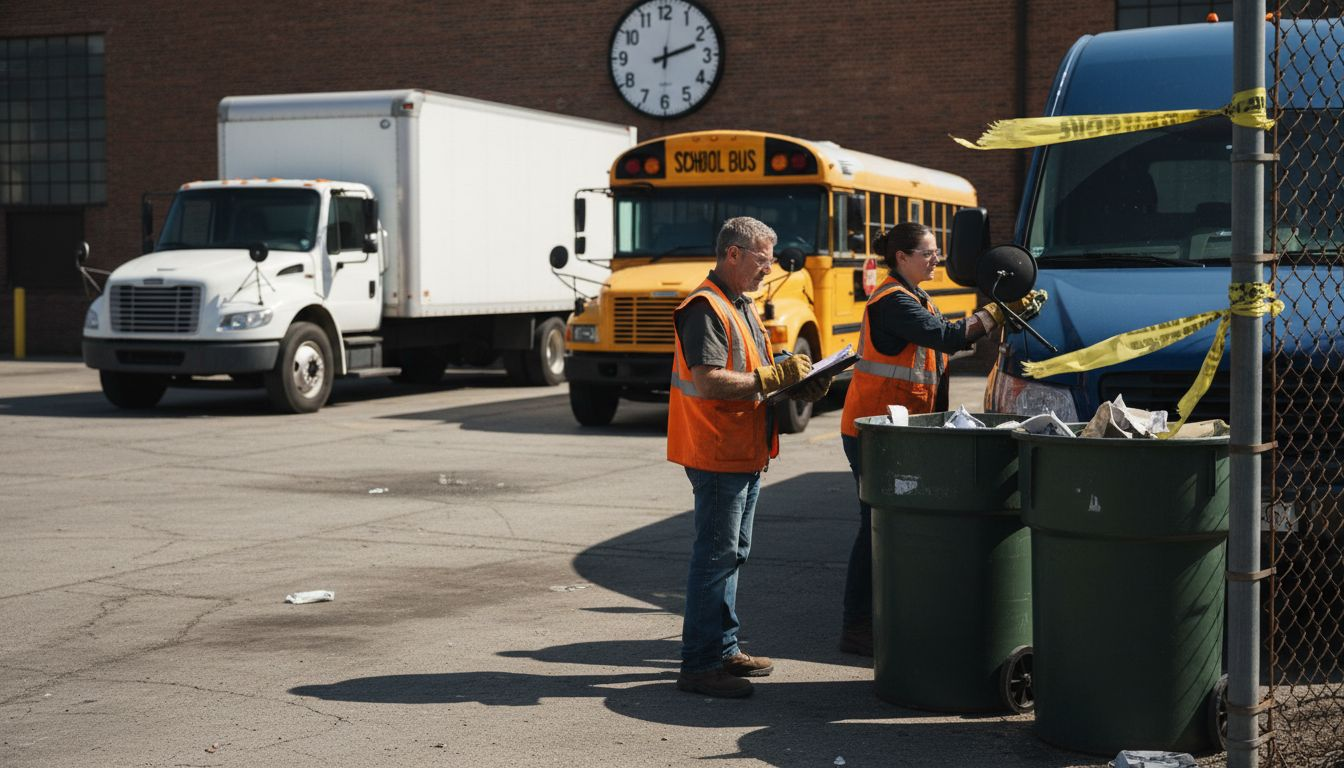
Commercial vehicles can be broadly categorized into several key groups, each presenting distinct detailing challenges and considerations. Delivery and service vehicles like cargo vans and box trucks typically require intense interior and exterior cleaning due to frequent urban use. Agricultural and construction vehicles demand robust undercarriage treatments to remove mud, debris, and potential corrosive materials. Long-haul trucks and semi-trailers need specialized approaches that address prolonged exposure to road conditions, environmental contaminants, and significant wear patterns.
Specialized detailing approaches for commercial vehicles often include:
- Customized cleaning protocols based on vehicle type and usage
- Heavy-duty decontamination for industrial equipment
- Protective coating applications for vehicles exposed to harsh environments
- Comprehensive sanitization for passenger-transport vehicles
- Paint and surface restoration techniques
- Rust prevention and protective treatments
Understanding the specific needs of different commercial vehicle categories allows detailing professionals to develop targeted service strategies that maximize vehicle longevity, maintain professional appearance, and protect critical business assets.
Here’s a comparison of specialized detailing strategies for different commercial vehicle types:
| Vehicle Type | Main Challenge | Specialized Detailing Strategy |
|---|---|---|
| Delivery Van | Urban grime buildup | Deep interior and exterior cleaning |
| Construction Equipment | Mud and corrosive debris | Heavy-duty undercarriage treatment |
| Agricultural Machinery | Organic residue | High-pressure washing and rust control |
| Passenger Transport | Hygiene and sanitation | Comprehensive interior sanitization |
| Long-Haul Truck | Prolonged wear | Protective coatings and paint restoration |
Pro Tip: Develop a detailed vehicle-specific assessment checklist to ensure consistent and comprehensive detailing across different commercial vehicle types.
Essential Steps in the Detailing Process
Commercial vehicle detailing follows a systematic detailing process that ensures comprehensive cleaning, protection, and restoration of commercial transportation assets. This methodical approach begins with a thorough initial assessment, where detailing professionals carefully evaluate the vehicle’s condition, identifying specific cleaning requirements, potential damage, and unique surface challenges that demand specialized treatment.
The detailing process typically involves multiple critical stages designed to address every aspect of vehicle maintenance. Initial preparation includes comprehensive surface inspection, followed by targeted cleaning techniques that address specific vehicle types and usage conditions. Exterior detailing begins with high-pressure washing to remove loose contaminants, followed by careful chemical decontamination, paint correction, and protective coating application. Interior detailing demands equally meticulous approaches, involving deep cleaning of fabric, leather, and hard surfaces, comprehensive sanitization, and restoration of interior components.
Key steps in the commercial vehicle detailing process include:
- Initial vehicle condition assessment
- Comprehensive exterior washing and decontamination
- Paint correction and surface restoration
- Interior deep cleaning and sanitization
- Protective coating application
- Final quality inspection and touch-up
Professional detailers understand that each commercial vehicle represents a significant business investment, requiring precision, expertise, and a systematic approach to maintain its operational efficiency and professional appearance.
Pro Tip: Develop a standardized checklist for each vehicle type to ensure consistent and thorough detailing across different commercial transportation assets.
Below is a summary of how detailing functions translate into business benefits:
| Detailing Function | Key Benefit for Business | Long-Term Value |
|---|---|---|
| Paint Protection | Maintains professional appearance | Higher resale value |
| Interior Sanitization | Healthier workplace for drivers | Improved employee satisfaction |
| Rust Prevention | Reduces mechanical failures | Extended asset lifespan |
| Window Restoration | Enhanced safety and visibility | Fewer safety compliance issues |
Fleet Maintenance and Business Impact
Professional vehicle detailing plays a critical role in strategic fleet maintenance, directly influencing operational reliability, cost management, and overall business performance. Commercial fleets represent substantial financial investments, and systematic maintenance through professional detailing helps businesses protect and maximize the value of their transportation assets.
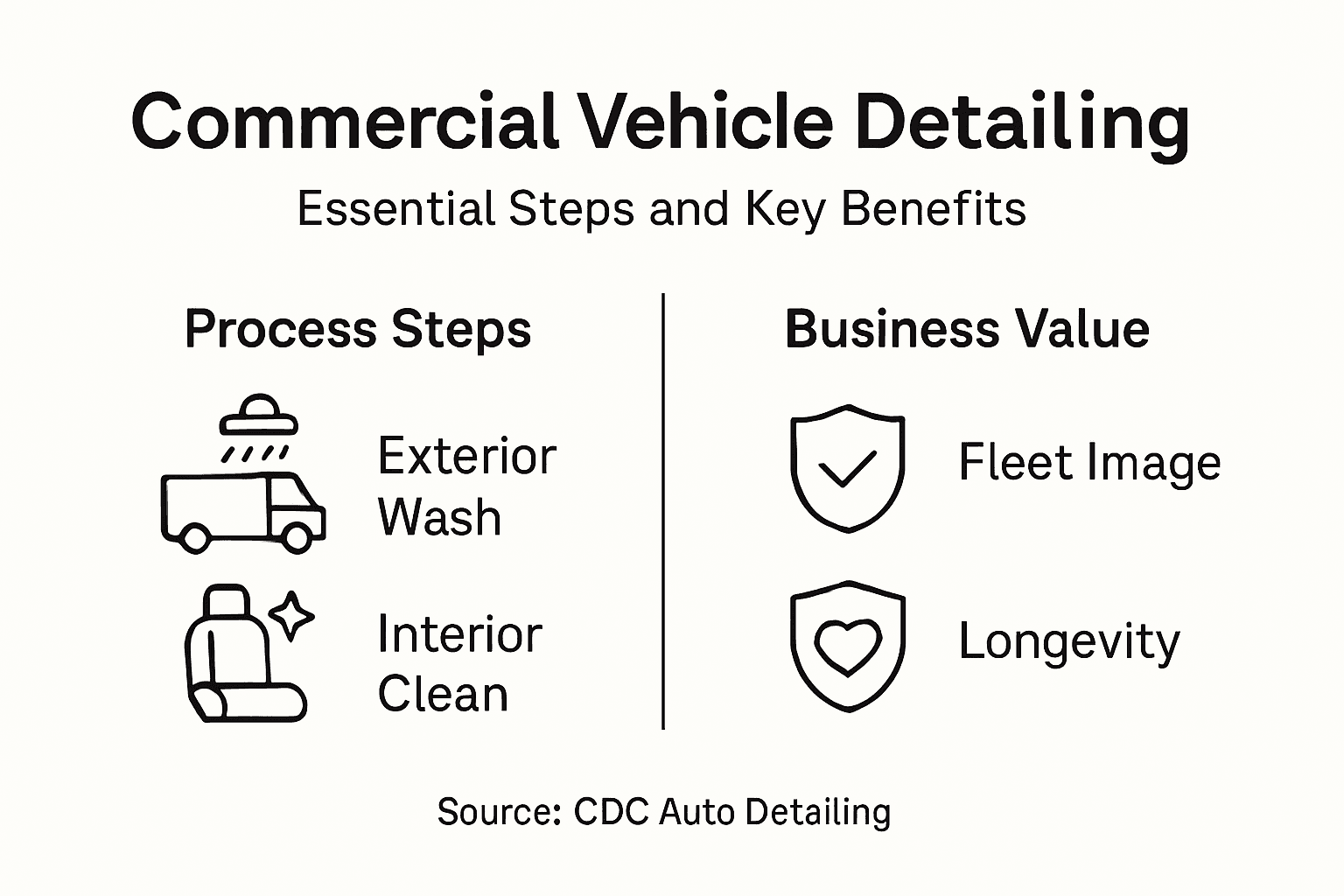
The economic implications of consistent fleet maintenance extend far beyond surface-level aesthetics. Regular detailing prevents accelerated vehicle depreciation, reduces potential mechanical issues caused by accumulated dirt and corrosive materials, and maintains the professional image of the business. Companies that prioritize comprehensive vehicle care typically experience significant reductions in long-term repair costs, improved vehicle performance, and enhanced operational efficiency.
Key business impacts of professional fleet detailing include:
- Extended vehicle lifespan
- Reduced maintenance and repair expenses
- Enhanced professional corporate image
- Improved driver morale and vehicle pride
- Better resale and trade-in values
- Compliance with industry safety and appearance standards
Companies that implement disciplined detailing strategies transform vehicle maintenance from a routine expense into a strategic investment that yields measurable financial and operational benefits.
Pro Tip: Implement a comprehensive fleet maintenance log that tracks detailing services, identifying patterns and optimizing your vehicle care strategy.
Cost Factors, Common Risks, and Industry Best Practices
Professional fleet management requires a comprehensive understanding of preventative maintenance strategies that balance operational costs with long-term vehicle performance and reliability. The financial implications of commercial vehicle detailing extend far beyond simple cleaning, encompassing strategic investments in vehicle preservation, risk mitigation, and operational efficiency.
Cost considerations in commercial vehicle detailing involve multiple interconnected factors that directly impact business performance. Direct expenses include labor, specialized cleaning materials, protective coatings, and equipment maintenance. Indirect costs emerge from potential vehicle downtime, reduced operational efficiency, and accelerated depreciation when maintenance is neglected. Businesses must carefully evaluate the comprehensive financial landscape, recognizing that proactive detailing represents a strategic investment rather than a mere operational expense.
Key cost factors and potential risks in commercial fleet maintenance include:
- Initial detailing service expenses
- Recurring maintenance and protection costs
- Potential vehicle downtime during service
- Risk of accelerated vehicle depreciation
- Increased mechanical repair expenses
- Potential safety and compliance violations
- Reduced vehicle resale value
- Brand reputation impact from poorly maintained vehicles
Successful fleet managers understand that systematic, disciplined maintenance approaches can transform potential financial risks into opportunities for long-term cost optimization and operational excellence.
Pro Tip: Develop a comprehensive cost-benefit analysis template that tracks both direct and indirect expenses associated with fleet detailing and maintenance.
Protect Your Commercial Fleet with Expert Detailing Solutions
Maintaining your commercial vehicles is essential to preserving their value and ensuring operational reliability. If your business struggles with dirt buildup, paint damage, or interior wear, professional commercial vehicle detailing can solve these challenges. At CDC Auto Detailing, we apply specialized cleaning and protection techniques tailored to each vehicle type to combat issues like rust, grime, and wear that compromise your fleet’s performance and appearance.
Experience the difference that thorough, expert detailing brings to your business assets. Visit CDC Auto Detailing to explore our comprehensive fleet and agricultural vehicle detailing services designed to extend vehicle life and enhance your company’s professional image. Don’t wait until maintenance issues impact your operations — schedule your mobile detailing appointment today for prompt, high-quality service delivered right to your location.
Frequently Asked Questions
What is commercial vehicle detailing?
Commercial vehicle detailing is a professional service that involves thorough cleaning, restoration, and maintenance of vehicles used for business operations, such as trucks, vans, and construction equipment.
What are the key benefits of commercial vehicle detailing?
Key benefits include extending vehicle lifespan, maintaining a professional image, preventing costly long-term damage, and reducing maintenance and repair expenses.
How often should commercial vehicles be detailed?
It’s recommended to schedule detailing services regularly, ideally during slower business periods, to ensure minimal operational disruption and optimal vehicle maintenance.
What specific processes are involved in the detailing of commercial vehicles?
Detailing typically includes comprehensive exterior washing, paint protection and restoration, interior deep cleaning and sanitization, undercarriage treatment, window restoration, and trim conditioning.
Recommended
- Role of Auto Detailing in Business Success
- 7 Key Commercial Car Detailing Advantages for Fleets
- Detailing Packages for Fleets: Boosting Business Image
- Why Auto Detailing Boosts Vehicle Resale Value
- Defining Luxury Transportation – What Sets It Apart | Trinity Concierge