
Most American drivers underestimate just how much regular car detailing can impact both the value and longevity of their vehicles. A single professional detail can remove layers of grime and invisible contaminants that basic washes leave behind. With over 90 percent of used cars showing signs of neglect, comprehensive care is more than a cosmetic choice. This guide will clear up the real meaning of car detailing, highlighting its financial, health, and protection benefits for your everyday ride.
Table of Contents
- What Regular Car Detailing Really Means
- Types of Detailing: Interior, Exterior, Specialized
- How Professional Detailing Protects Your Vehicle
- Long-Term Financial and Health Benefits
- Common Mistakes That Undermine Results
Key Takeaways
| Point | Details |
|---|---|
| Comprehensive Process | Car detailing is an extensive service that exceeds basic washing, ensuring meticulous cleaning and preservation of both interior and exterior surfaces. |
| Types of Detailing | Distinct detailing categories—Exterior, Interior, and Specialized—allow for tailored services that address specific needs of vehicles. |
| Long-Term Benefits | Regular detailing enhances vehicle resale value and improves air quality, contributing to both financial and health benefits for owners. |
| Avoid Common Errors | Understanding and avoiding mistakes in washing techniques and product selection can prevent damage and enhance the effectiveness of detailing efforts. |
What Regular Car Detailing Really Means
Car detailing goes far beyond a simple car wash. Unlike basic cleaning, auto detailing represents a comprehensive, meticulous process of thoroughly cleaning and preserving both the interior and exterior of your vehicle using specialized techniques and professional-grade tools.
At its core, car detailing involves deep cleaning that addresses every microscopic surface of your vehicle. This means carefully cleaning areas most standard car washes completely overlook. Professional detailers focus on removing contaminants, restoring paintwork, protecting surfaces, and enhancing the overall appearance and condition of your vehicle. From cleaning tiny dashboard crevices to polishing exterior paint until it gleams, detailing is an art form that transforms your car’s aesthetic and functional condition.
The detailing process typically includes several critical steps:
- Exterior Cleaning: Comprehensive washing, clay bar treatment, paint correction, and protective coating application
- Interior Detailing: Deep cleaning of seats, carpets, dashboard, console, and hard-to-reach areas
- Engine Bay Cleaning: Removing dirt and grease from mechanical components
- Paint Protection: Applying ceramic coatings or paint protection film to preserve your vehicle’s finish
By understanding what true car detailing really means, you’re not just maintaining a vehicle – you’re investing in its long-term value, performance, and appearance. Preparing your vehicle for seasonal changes becomes easier when you comprehend the nuanced care professional detailing provides.
Types of Detailing: Interior, Exterior, Specialized
Auto detailing encompasses multiple specialized approaches designed to restore, protect, and enhance different aspects of your vehicle. Autoaufbereitung techniques demonstrate that vehicle restoration goes beyond simple cleaning, involving comprehensive restoration of both optical and hygienic conditions.
Three primary detailing categories address specific vehicle needs:
-
Exterior Detailing: Focuses on the vehicle’s outer surfaces, including:
- Paint correction and restoration
- Removing surface contaminants
- Applying protective ceramic coatings
- Polishing and waxing to enhance shine
-
Interior Detailing: Targets the vehicle’s inner environment with specialized interior cleaning services that include:
- Deep cleaning of upholstery and carpets
- Sanitizing dashboard and console areas
- Removing stains and odors
- Conditioning leather surfaces
-
Specialized Detailing: Addresses unique vehicle conditions such as:
- Pet hair and odor removal
- Smoke and nicotine residue elimination
- Mold and mildew treatment
- Scratch and paint imperfection correction
By understanding these detailing types, vehicle owners can select precise services that meet their specific maintenance and aesthetic goals, ensuring comprehensive care for their automotive investment.
How Professional Detailing Protects Your Vehicle
Professional detailing is far more than a cosmetic service – it’s a comprehensive protective strategy for your vehicle’s long-term health and value. Professional-grade detailing methods utilize specialized techniques that create robust defensive barriers against environmental damage, preserving your car’s appearance and structural integrity.
The protection process involves multiple critical layers of defense. Paint correction techniques systematically remove microscopic imperfections and create protective shields that guard against various damaging elements. These methods typically include:
- UV Ray Protection: Preventing paint oxidation and color fading
- Environmental Contaminant Blocking: Shielding against acid rain, bird droppings, tree sap
- Scratch and Swirl Mark Prevention: Using high-quality ceramic coatings and sealants
- Corrosion Resistance: Creating barriers against moisture and chemical exposure
Additional protective strategies include applying ceramic coating technologies that provide microscopic armor for your vehicle’s surfaces. By investing in professional detailing, you’re essentially creating a comprehensive defense system that maintains your car’s aesthetic appeal and structural resilience, potentially extending its lifespan and resale value significantly.
Long-Term Financial and Health Benefits
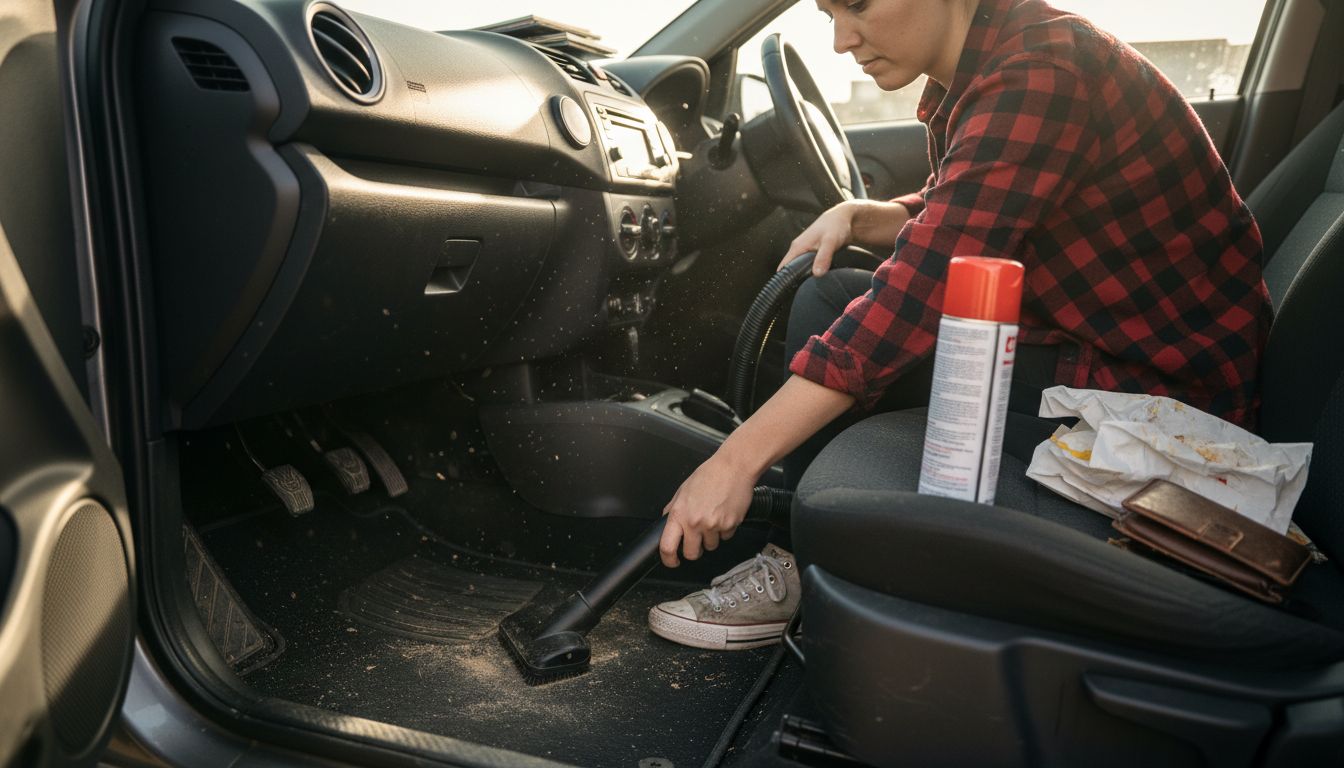
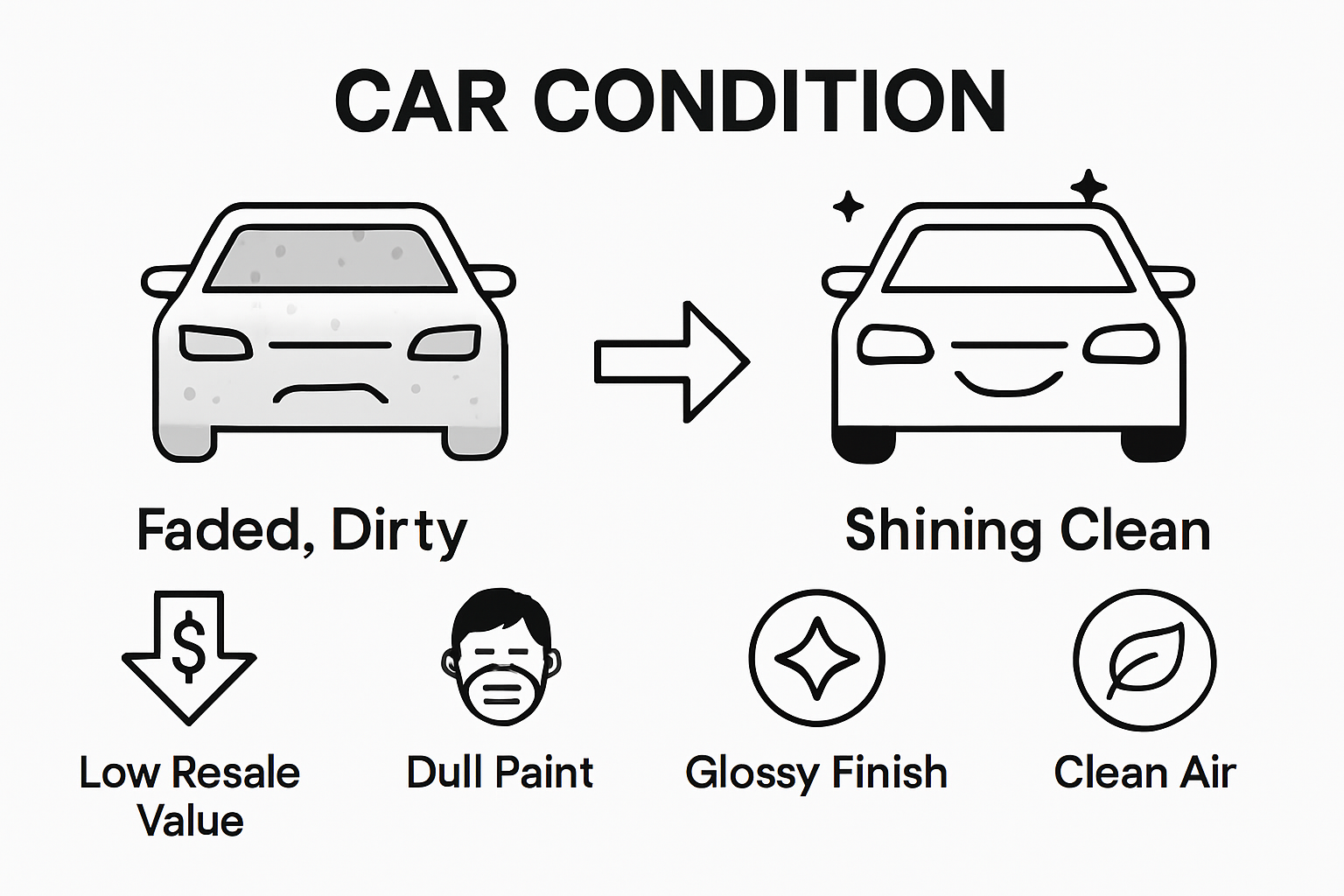
Car detailing is an investment that delivers substantial returns beyond just aesthetic improvements. Regular vehicle maintenance significantly raises resale value, as potential buyers perceive a well-maintained vehicle as more reliable and desirable. This perception translates directly into higher market value and faster selling potential.
Beyond financial advantages, professional detailing offers critical health protection. Interior detailing dramatically improves air quality by removing harmful contaminants that can trigger respiratory issues. The comprehensive cleaning process eliminates:
- Dust and Allergen Accumulation: Reducing potential allergy triggers
- Bacteria and Microorganism Buildup: Sanitizing interior surfaces
- Mold and Mildew Spores: Preventing potential health hazards
- Trapped Pollutants: Cleaning ventilation systems and upholstery
Additional long-term benefits include preventing premature vehicle depreciation, maintaining optimal mechanical performance, and creating a healthier driving environment. By investing in professional detailing services, vehicle owners protect both their financial interests and personal well-being, transforming routine maintenance into a strategic health and economic decision.
Common Mistakes That Undermine Results
Vehicle maintenance requires precision and knowledge. Car detailing goes far beyond standard washing, yet many vehicle owners inadvertently compromise their detailing efforts through common, preventable errors that can cause long-term damage.
The most critical mistakes that significantly undermine detailing results include:
-
Improper Washing Techniques
- Using household sponges that create microscopic scratches
- Washing in direct sunlight, causing premature product drying
- Applying incorrect pressure during cleaning
- Neglecting to use multiple microfiber towels
-
Product Selection Errors
- Choosing generic cleaning products
- Using household chemicals not designed for automotive surfaces
- Applying incorrect products for specific vehicle materials
- Ignoring manufacturer recommendations
-
Technique and Timing Mistakes
- Rushing through the detailing process
- Skipping crucial preparation steps
- Not allowing sufficient time for product absorption
- Applying protective coatings in inappropriate environmental conditions
By understanding and avoiding these common pitfalls, vehicle owners can protect their interior detailing investment and maintain their vehicle’s appearance and value more effectively. Professional guidance can help navigate these potential mistakes and ensure optimal results.
Protect Your Investment With Professional Regular Car Detailing
Understanding the real benefits of detailed car care means recognizing the value of protection against damage and preserving your vehicle’s resale value. If you want to avoid common mistakes and ensure your car stays in pristine condition inside and out, professional detailing is essential. From deep interior cleaning to advanced paint protection like ceramic coatings, expert services offer the thorough care highlighted in this article.

Don’t wait for dirt, scratches, or fading to diminish your vehicle’s appearance and worth. Experience the convenience and premium quality of mobile auto detailing offered by CDC Auto Detailing. Discover how regular expert care can safeguard your investment, enhance your driving environment, and boost your car’s long-term value. Visit our service page and schedule your appointment today to give your vehicle the attention it truly deserves.
Frequently Asked Questions
What are the key benefits of regular car detailing?
Regular car detailing improves your vehicle’s appearance, enhances its resale value, and protects it from environmental damage and contaminants that can lead to long-term deterioration.
How often should I detail my car for optimal results?
For optimal results, it is recommended to detail your car every 4 to 6 months. However, if you regularly expose your vehicle to harsh conditions, more frequent detailing may be beneficial.
Can professional detailing help improve my car’s air quality?
Yes, professional detailing includes deep cleaning of the interior, which removes dust, allergens, and harmful bacteria. This process significantly improves the air quality inside your vehicle, promoting a healthier driving environment.
What are some common mistakes to avoid during car detailing?
Common mistakes include using incorrect washing techniques, such as household sponges that can scratch surfaces, choosing the wrong cleaning products for specific materials, and rushing through the detailing process without allowing products to properly absorb.
Recommended
- How Often Should You Detail Your Car? – CDC Detailing
- Tips to maintain wheels and tires – CDC Detailing
- How to Clean Your Car’s Cloth Seats? – CDC Detailing
- Preparing your vehicle for spring: Essential exterior detailing tips – CDC Detailing
- Injector Cleaning Benefits for Diesel Pros: 2025 Guide – My WordPress