
Over 70 percent of american drivers say comfort and safety features play a major role in their choice of vehicle upgrades. Window tinting stands out as a smart investment that does more than just give your car a sleek appearance. This technology shields against harmful UV rays, lowers cabin temperatures, and even protects your car’s interior. By understanding how window tinting works, you can unlock practical benefits while staying within legal limits and making the most of your vehicle.
Table of Contents
- What Window Tinting Really Is
- Types Of Automotive Tint Film
- How Window Tint Works Technically
- Key Benefits And Limitations
- New Jersey Legal Requirements And Exemptions
- Choosing And Installing Tint Safely
Key Takeaways
| Point | Details |
|---|---|
| Benefits of Window Tinting | Reduces heat, blocks UV rays, minimizes glare, and enhances privacy and interior preservation. |
| Types of Tint Films | Dyed, metallized, and ceramic films offer varying levels of performance and aesthetic options. |
| Legal Requirements | New Jersey requires specific light transmission percentages and has exemptions for medical conditions. |
| Importance of Professional Installation | Proper installation ensures longevity and optimal performance of the tint, preventing common issues like bubbles and peeling. |
What Window Tinting Really Is
Window tinting is a sophisticated process of applying a thin, specialized film to glass surfaces designed to transform how light interacts with your vehicle’s windows. This innovative technique goes far beyond simple aesthetic enhancement, offering multiple functional benefits that protect both your vehicle’s interior and its occupants.
At its core, window tinting involves carefully applying a laminated film composed of advanced materials like polyethylene terephthalate (PET). These films come in multiple variations – dyed, metallized, and ceramic-based – each engineered to provide specific performance characteristics. Depending on the film’s composition, window tints can dramatically reduce heat transfer, block harmful ultraviolet radiation, minimize glare, and enhance overall driving comfort.
The science behind window tinting is fascinating. These precision-engineered films are designed to selectively filter different wavelengths of light, allowing visible light to pass through while blocking infrared and ultraviolet rays. This means your vehicle’s interior stays cooler, your skin receives less harmful radiation, and your upholstery experiences reduced fading and deterioration. Key benefits include:
- Heat Reduction: Blocks up to 60% of solar heat
- UV Protection: Filters out 99% of harmful ultraviolet rays
- Glare Minimization: Reduces eye strain during driving
- Privacy Enhancement: Limits visibility into vehicle interior
- Interior Preservation: Prevents upholstery and dashboard cracking
Professional window tinting transforms your vehicle from a simple mode of transportation into a carefully controlled environment, providing protection, comfort, and style in one sophisticated solution.
Types Of Automotive Tint Film
Window tinting technologies have evolved dramatically, offering vehicle owners multiple film options that cater to diverse performance needs and aesthetic preferences. Understanding the characteristics of each tint type can help you make an informed decision about protecting your vehicle and enhancing your driving experience.
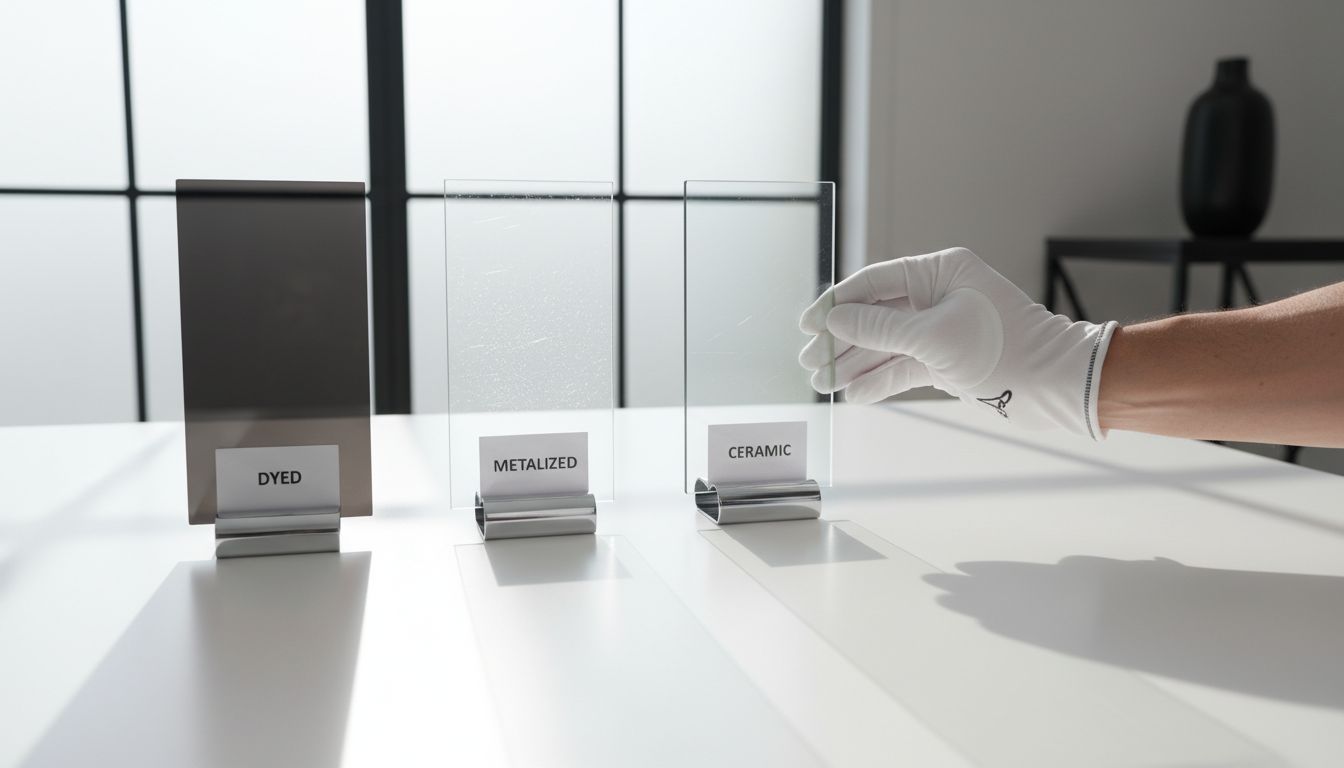
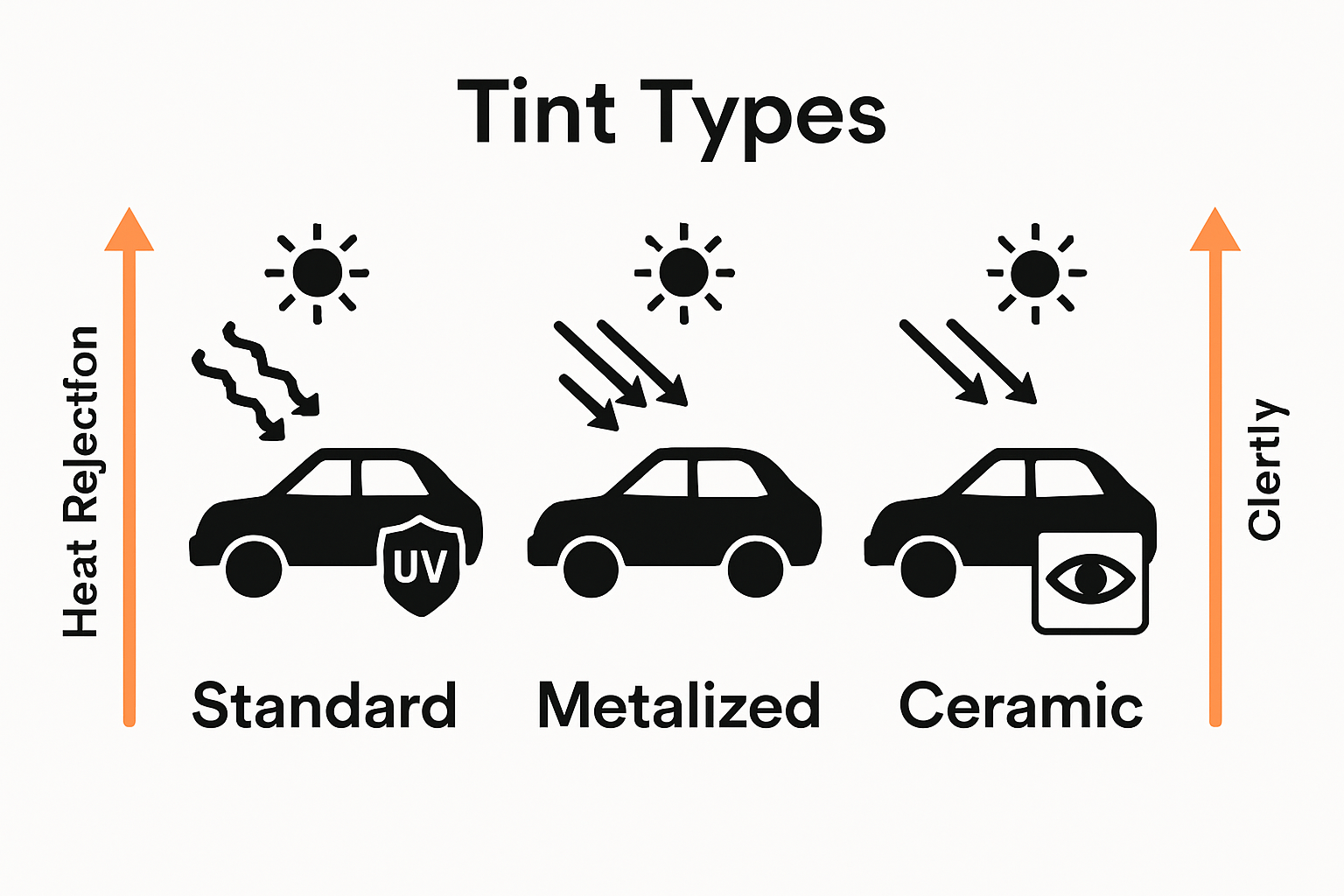
Dyed Films represent the most basic and affordable window tinting technology. These films use a layer of dye that absorbs solar heat and reduces glare, providing a classic dark appearance. While cost-effective, dyed films offer limited heat rejection compared to more advanced alternatives. They work well for drivers seeking a simple aesthetic upgrade with minimal technical complexity.
Metallized Films take window protection to the next level by incorporating metallic particles into the film’s structure. These advanced films reflect heat more effectively and add structural strength to windows, creating a shinier exterior appearance. The metallic composition provides enhanced durability and heat resistance, making them an excellent choice for drivers in high-temperature environments.
Ceramic Films represent the pinnacle of window tinting technology. These premium films utilize cutting-edge ceramic nanoparticles that deliver exceptional performance without the drawbacks of metallic alternatives. Key advantages include:
- Superior heat rejection (up to 80%)
- 99% ultraviolet radiation blocking
- No interference with electronic signals
- Maximum clarity and visibility
- Longest-lasting tint technology
When selecting a window tinting solution, consider your specific needs, budget, and local regulations to choose the most appropriate film type for your vehicle.
How Window Tint Works Technically
Window tint films operate through sophisticated optical engineering, transforming how solar radiation interacts with vehicle windows. These advanced materials are designed to manipulate light waves, providing drivers with precise control over heat, visibility, and interior comfort.
Solar Radiation Management is the core principle behind window tinting technology. Different film compositions utilize unique mechanisms to block and reflect solar energy, depending on their specific molecular structure. Dyed films absorb solar radiation, converting light energy into heat that dissipates across the film’s surface. Metallized films incorporate microscopic metallic particles that reflect incoming solar waves, effectively creating a barrier against heat transmission.
More advanced technologies have emerged, pushing the boundaries of what window tints can accomplish. Cutting-edge ceramic films leverage non-metallic nanoparticles that provide exceptional heat rejection without compromising electronic signal transmission. These innovative materials can block up to 99% of infrared radiation while maintaining optimal visibility.
The most revolutionary developments in window tinting explore dynamic light-manipulation technologies. Emerging research demonstrates films capable of temperature-responsive phase transitions, such as vanadium dioxide-based materials that can dynamically switch between transparent and opaque states. These intelligent films represent the future of automotive window technology, offering unprecedented control over light and heat transmission.
Key technical performance metrics include:
- Infrared radiation blocking percentage
- Visible light transmission rates
- Heat rejection capabilities
- Electronic signal compatibility
- Durability under extreme temperatures
Choosing the right window tinting solution depends on understanding these complex technical interactions between film materials and solar energy.
Key Benefits And Limitations
Window tinting offers a sophisticated solution for vehicle owners seeking enhanced comfort, protection, and privacy. Understanding both the advantages and potential drawbacks is crucial for making an informed decision about window film installation.
Significant Benefits include comprehensive protection against solar radiation. These films dramatically reduce heat and glare, creating a more comfortable driving environment. Key advantages range from thermal comfort to long-term vehicle preservation. Specific benefits encompass:
- 99% ultraviolet radiation blocking
- Reduced interior temperature
- Enhanced privacy
- Protection of upholstery from sun damage
- Improved energy efficiency
- Increased window strength and shatter resistance
Performance Limitations are equally important to consider. Window tints can potentially impact visibility and light transmission, which might compromise driving safety under certain conditions. Metallized films, for instance, can interfere with electronic signals like GPS and mobile communications, presenting a notable technological constraint.
Professional installation becomes critical in mitigating potential limitations. Selecting the appropriate film type requires careful consideration of your specific driving environment, vehicle characteristics, and personal preferences. Each film technology presents a unique balance between performance, aesthetics, and practical constraints.
The most advanced ceramic films represent a breakthrough, offering superior heat rejection without traditional drawbacks. These cutting-edge solutions minimize signal interference while providing maximum protection, demonstrating how window tinting technology continues to evolve beyond its initial limitations.
New Jersey Legal Requirements And Exemptions
Window tinting regulations in New Jersey represent a carefully balanced approach to protecting driver safety while allowing vehicle owners reasonable aesthetic and functional customization. Understanding these specific legal parameters is crucial for avoiding potential traffic violations and ensuring compliance.
Windshield Restrictions are particularly precise. Non-reflective tint is permitted only on the top six inches of the windshield, creating a narrow zone for acceptable modification. This regulation aims to maintain clear visibility for drivers while providing minimal glare protection.
Light Transmission Requirements form the core of New Jersey’s window tinting guidelines. Front side windows must allow more than 70% of light transmission, which means extremely dark tints are prohibited. This restriction ensures that law enforcement can maintain visual contact with vehicle occupants and that drivers retain optimal visibility during day and night driving conditions.
Medical Exemptions provide flexibility for individuals with specific health conditions. Drivers can obtain special permits allowing darker tints when medically necessary, subject to formal documentation and approval. These exemptions typically require:
- Documented medical diagnosis
- Official physician certification
- Specific light sensitivity conditions
- Departmental review and approval
- Periodic recertification
Professional window tinting services understand these nuanced regulations and can help vehicle owners navigate compliance while achieving desired aesthetic and functional goals. Staying informed about current legal standards helps avoid potential fines and ensures a smooth, legally compliant window tinting experience.
Choosing And Installing Tint Safely
Choosing the right window tint requires careful consideration of multiple factors that extend beyond simple aesthetic preferences. Vehicle owners must navigate a complex landscape of performance characteristics, legal requirements, and installation precision to ensure optimal results.
Film Selection becomes the critical first step in the window tinting process. Professional window tinting services recommend evaluating key performance metrics before making a final decision. Critical factors to assess include:
- Heat rejection capabilities
- UV protection percentage
- Visible light transmission
- Signal interference potential
- Durability and warranty
- Compliance with local regulations
Professional Installation dramatically impacts the quality and longevity of your window tint. Attempting a do-it-yourself approach often leads to costly mistakes such as air bubbles, uneven application, and premature peeling. Trained technicians use specialized tools and techniques to ensure:
- Precise film cutting
- Seamless edge alignment
- Minimal surface contamination
- Complete adhesive bonding
- Consistent heat shrinking
- Clean, bubble-free finish
Maintaining your newly tinted windows requires specific care strategies. Avoid cleaning the windows for the first few days after installation, and when you do clean them, use soft microfiber cloths and ammonia-free cleaning solutions. Extreme temperatures and aggressive cleaning can compromise the film’s integrity, so gentle handling is essential.
Ultimately, investing in professional window tinting is about more than cosmetic enhancement. It’s a strategic decision to protect your vehicle’s interior, improve driving comfort, and maintain long-term value. Selecting a reputable service with proven expertise ensures you’ll receive a high-quality installation that meets both your aesthetic and functional requirements.
Protect Your Ride with Expert Window Tinting from CDC Auto Detailing
Understanding the science and benefits behind window tinting is the first step to enhancing your vehicle’s comfort and privacy. If you want to reduce heat, block 99% of UV rays, and add a sleek look to your car, trusting professional services is key. Many vehicle owners struggle with finding the right film type and ensuring a flawless installation that meets New Jersey legal requirements. The right window tint not only improves driving safety but also preserves your interior against fading and damage.
Experience the difference with professional window tinting services from CDC Auto Detailing. Our experts in South Jersey specialize in ceramic and advanced films that balance style, heat rejection, and legal compliance. Don’t risk signal interference or poor visibility from subpar films or DIY installations. Protect your investment now by scheduling your appointment and enjoy cooler drives, enhanced privacy, and lasting interior protection. Visit our site today to book your service and explore our full range of auto care solutions.
Frequently Asked Questions
What is window tinting?
Window tinting is the process of applying a thin, specialized film to glass surfaces, designed to alter how light interacts with your vehicle’s windows, providing benefits such as heat reduction, UV protection, glare minimization, and privacy enhancement.
What types of automotive tint film are available?
There are three main types of automotive tint films: dyed films, which provide a classic appearance and basic heat absorption; metallized films, which reflect heat and enhance window strength; and ceramic films, which offer superior heat rejection and UV blocking without signal interference.
How does window tint work technically?
Window tint works by utilizing advanced materials that filter different wavelengths of light. Dyed films absorb heat, while metallized films reflect solar energy. Ceramic films use nanoparticles to block infrared radiation while maintaining visibility. These technologies minimize heat and glare while preserving interior comfort.
What are the benefits and limitations of window tinting?
The benefits of window tinting include protecting against UV rays, reducing heat, enhancing privacy, and preserving vehicle interiors. Limitations may involve reduced visibility and potential signal interference, particularly with certain metallized films. Professional installation can help mitigate these issues.