
Protecting your vehicle goes beyond a spotless shine when you count on professional detailing. For car owners and fleet managers in South Jersey, choosing a mobile detailing service that follows strict safety protocols is key to preserving both investment and peace of mind. By following systematic safety management standards and comprehensive protective measures, the right team delivers consistent, high-quality results while minimizing risks both to your vehicle and the people caring for it.
Table of Contents
- Auto Detailing Safety Protocols Defined
- Types Of Risks In Auto Detailing
- Personal Protection And Environmental Safety Standards
- Protocols For Vehicle And Surface Protection
- Liability, Compliance, And Industry Regulations
Key Takeaways
| Point | Details |
|---|---|
| Implement Safety Protocols | Establish comprehensive safety protocols to protect technicians and vehicles, ensuring high-quality auto detailing services. |
| Prioritize Personal Protective Equipment (PPE) | Utilize appropriate PPE to safeguard against chemical exposure and physical injuries during detailing processes. |
| Adhere to Compliance and Regulations | Maintain compliance with legal and industry standards to mitigate liability and ensure high service quality. |
| Conduct Regular Training and Reviews | Schedule ongoing training and safety protocol reviews to keep up with industry best practices and evolving regulations. |
Auto Detailing Safety Protocols Defined
Auto detailing safety protocols represent a comprehensive system of guidelines designed to protect both vehicles and technicians during professional automotive care processes. These structured procedures ensure consistent, high-quality results while minimizing potential risks associated with cleaning, restoration, and protection services.
The foundation of effective auto detailing safety protocols involves understanding and implementing systematic safety management across multiple operational dimensions. These protocols typically encompass several critical areas:
- Personal protective equipment (PPE) requirements
- Chemical handling and storage procedures
- Equipment maintenance and inspection standards
- Environmental safety considerations
- Vehicle surface protection techniques
Professional detailing safety protocols draw inspiration from automotive industry standards that define precise risk management strategies. Functional safety guidelines emphasize systematic approaches to identifying, evaluating, and mitigating potential hazards during vehicle maintenance processes.
By implementing rigorous safety protocols, auto detailing professionals can create controlled environments that protect both the vehicle’s intricate surfaces and the technicians performing specialized services. These guidelines help prevent damage, ensure consistent quality, and maintain high professional standards throughout the detailing process.
Pro Tip: Always review and update your safety protocols annually to incorporate the latest industry best practices and technological advancements.
Types Of Risks In Auto Detailing
Auto detailing professionals face numerous potential risks that require comprehensive safety management and proactive prevention strategies. Understanding these risks is crucial for maintaining both technician safety and vehicle integrity during detailed maintenance processes.
Professional auto detailing involves exposure to multiple hazardous elements, with occupational risk assessment being critical for identifying and mitigating potential dangers. The primary risk categories include:
- Chemical Exposure Risks
- Toxic solvent interactions
- Potential respiratory hazards
- Skin contact with harsh cleaning agents
- Physical Injury Risks
- Repetitive motion strain
- Equipment-related accidents
- Ergonomic challenges
- Environmental Contamination Risks
- Improper waste disposal
- Chemical runoff management
- Air quality concerns
Specifically, chemical exposure risks represent a significant concern in auto detailing. Professional technicians must understand the potential health implications of isocyanates and other industrial chemicals commonly used in paint, polish, and protective coating applications. These substances can cause respiratory illnesses, skin irritations, and long-term health complications if proper protection is not implemented.
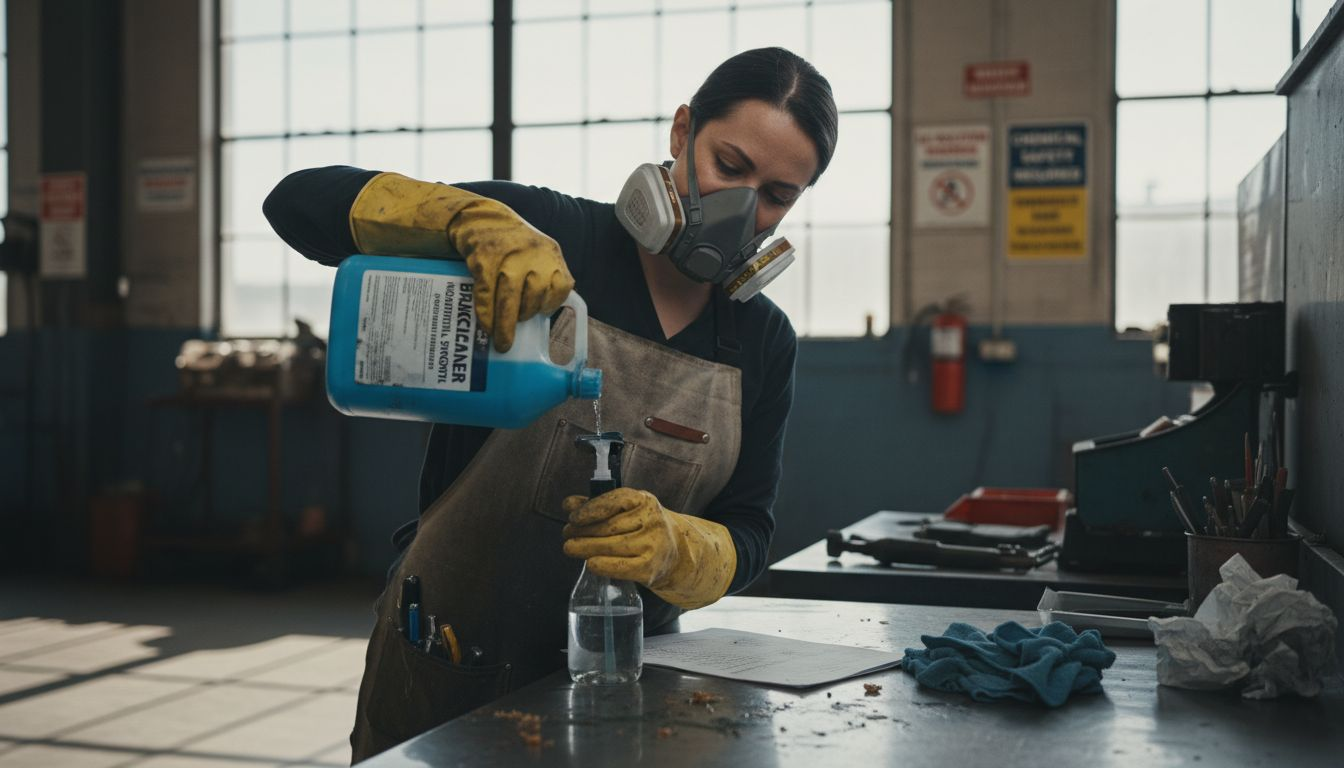
Effective risk management requires a holistic approach that combines personal protective equipment, comprehensive training, and systematic safety protocols. By identifying potential hazards, implementing control measures, and maintaining rigorous safety standards, auto detailing professionals can significantly reduce workplace risks and protect both themselves and the vehicles they service.
Here’s a summary of key risk management strategies used in auto detailing:
| Approach | Primary Purpose | Typical Tools/Methods |
|---|---|---|
| Preventive Training | Reduces technician error | Safety workshops, manuals |
| Engineering Controls | Minimizes harmful exposures | Ventilation, equipment guards |
| Administrative Controls | Improves workplace safety compliance | Rotating shifts, record logs |
| PPE Usage | Protects against direct contact hazards | Gloves, masks, eye protection |
Pro Tip: Conduct monthly safety equipment inspections and maintain a detailed log of all potential chemical exposure incidents to continuously improve workplace safety practices.
Personal Protection And Environmental Safety Standards
Auto detailing requires meticulous attention to personal protection and environmental safety standards that go far beyond basic workplace precautions. These comprehensive protocols are designed to safeguard both technicians and the surrounding ecosystem during complex automotive maintenance processes.
Professional auto detailing teams must implement comprehensive environmental safety guidelines that address multiple layers of protection. The essential components of these safety standards include:
- Personal Protective Equipment (PPE)
- Chemical-resistant gloves
- Respiratory protection masks
- Safety goggles and face shields
- Protective clothing and aprons
- Environmental Control Measures
- Proper chemical storage
- Waste disposal protocols
- Ventilation system management
- Spill containment procedures
- Workplace Safety Protocols
- Regular equipment inspections
- Training and certification programs
- Emergency response planning
- Hazard communication systems
Occupational health management systems play a crucial role in establishing systematic approaches to identifying and mitigating workplace risks. These frameworks emphasize proactive hazard identification, risk assessment, and continuous improvement of safety standards, ensuring that auto detailing professionals can work efficiently while minimizing potential health and environmental risks.
Implementing robust safety standards requires a holistic approach that integrates technological solutions, comprehensive training, and a culture of safety awareness. By prioritizing personal protection and environmental consciousness, auto detailing professionals can create work environments that protect both human health and ecological sustainability.
Pro Tip: Develop a comprehensive safety checklist that is reviewed and updated quarterly to ensure ongoing compliance with the latest industry safety standards and regulations.
Protocols For Vehicle And Surface Protection
Vehicle and surface protection in auto detailing represents a sophisticated approach to preserving automotive aesthetics and structural integrity through meticulously designed safety protocols. These comprehensive strategies go beyond simple cleaning, focusing on advanced preservation techniques that shield vehicles from environmental damage and wear.
Professional detailing teams rely on standardized vehicle protection protocols that encompass multiple layers of protective measures. The critical components of these protocols include:
- Surface Preparation Techniques
- Comprehensive surface decontamination
- Paint depth measurement
- Chemical compatibility assessment
- Precise surface correction procedures
- Protective Coating Applications
- Ceramic coating installation
- Paint protection film application
- Sealant and wax treatments
- Nano-ceramic protective layers
- Long-Term Preservation Strategies
- Environmental damage prevention
- UV radiation protection
- Chemical resistance enhancement
- Structural integrity maintenance
Global vehicle protection standards play a crucial role in establishing systematic approaches to surface maintenance and preservation. These international frameworks provide detailed guidelines that ensure consistent, high-quality protection methods across different automotive environments and vehicle types.
Implementing robust surface protection protocols requires a comprehensive understanding of material science, chemical interactions, and environmental factors. By combining advanced technological solutions with precise application techniques, auto detailing professionals can create multilayered protective systems that preserve vehicle surfaces against potential degradation and environmental challenges.
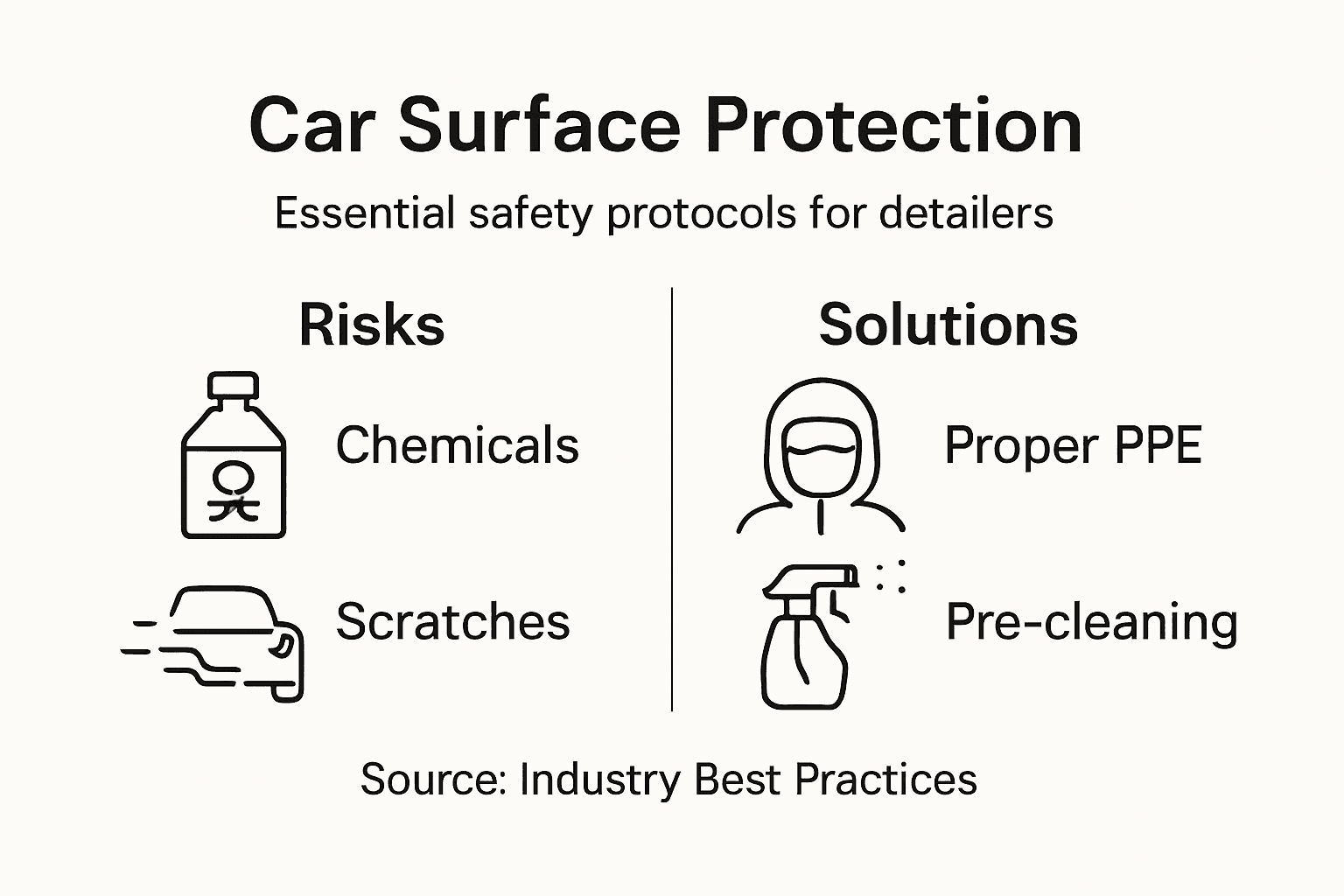
Pro Tip: Develop a customized surface protection plan that considers the specific environmental conditions and usage patterns of each individual vehicle.
Liability, Compliance, And Industry Regulations
Auto detailing businesses must navigate a complex landscape of liability, compliance, and industry regulations that protect both service providers and customers. These intricate frameworks establish critical standards for professional conduct, quality assurance, and risk management in the automotive maintenance industry.
Professional auto detailing organizations rely on automotive compliance certification programs that provide structured guidelines for maintaining high-quality service standards. The key regulatory dimensions include:
- Legal Compliance Requirements
- Federal and state regulatory adherence
- Insurance and liability protection
- Professional licensing standards
- Consumer protection guidelines
- Quality Management Standards
- Service performance benchmarks
- Equipment maintenance protocols
- Training and certification requirements
- Documentation and record-keeping
- Risk Management Strategies
- Liability mitigation techniques
- Safety protocol implementation
- Client communication standards
- Dispute resolution mechanisms
Global quality management standards play a crucial role in establishing systematic approaches to regulatory compliance and risk control. These international frameworks provide comprehensive guidelines that help auto detailing businesses standardize their operations, reduce potential legal vulnerabilities, and maintain consistent service quality.
Successful navigation of industry regulations requires a proactive approach that combines legal expertise, continuous education, and robust risk management strategies. By implementing comprehensive compliance programs, auto detailing professionals can create a secure operational environment that protects both their business interests and customer expectations.
This table compares compliance challenges with solutions for auto detailing businesses:
| Challenge | Common Impact | Effective Solution |
|---|---|---|
| Changing regulations | Legal penalties, service gaps | Regular legal reviews, training |
| Documentation requirements | Audit risk, lost information | Digital recordkeeping systems |
| Insurance coverage gaps | Financial liability | Annual policy assessments |
| Staff certification lapses | Reputation loss, service delays | Ongoing education programs |
Pro Tip: Develop a comprehensive compliance manual that is reviewed and updated annually to ensure ongoing alignment with the latest industry regulations and legal requirements.
Protect Your Vehicle with Expert Auto Detailing Safety Protocols
The challenge of maintaining your vehicle’s pristine condition while ensuring safety during the detailing process is real. This article highlights critical aspects like chemical exposure risks, personal protective equipment, and vehicle surface protection techniques—all essential to avoid damage and safeguard your car. At CDC Auto Detailing, we understand these concerns deeply and commit to rigorous safety protocols that protect both your vehicle and our technicians.
Experience the difference with our professional mobile car detailing services in Pitman, New Jersey. We specialize in high-quality interior and exterior detailing, including advanced ceramic coatings and paint protection films that follow industry-leading vehicle and surface protection protocols.
Don’t settle for less when it comes to your car’s care and safety. Visit CDC Auto Detailing today to schedule your service. Discover how our expert team combines strict safety measures with premium detailing results that keep your vehicle looking its best while preventing damage. Protect your investment now and enjoy peace of mind with every detail.
Frequently Asked Questions
What are auto detailing safety protocols?
Auto detailing safety protocols are a set of comprehensive guidelines designed to protect vehicles and technicians during automotive care processes, ensuring consistent quality while minimizing risks associated with cleaning, restoration, and protection services.
Why is personal protective equipment (PPE) important in auto detailing?
Personal protective equipment (PPE) is crucial in auto detailing as it protects technicians from chemical exposure, physical injuries, and environmental hazards. Proper PPE helps prevent skin contact with harsh chemicals and reduces the risk of respiratory issues.
How can environmental safety standards impact auto detailing services?
Environmental safety standards ensure that detailing practices avoid contamination and adhere to responsible chemical disposal protocols. By following these standards, detailing services can protect the ecosystem while maintaining high-quality service.
What are the potential risks involved in auto detailing?
Potential risks in auto detailing include chemical exposure to toxic solvents, physical injuries from equipment, and environmental contamination from improper chemical runoff and waste disposal. Understanding these risks is essential for implementing effective safety protocols.