
Most American fleets endure relentless weather shifts, road debris, and demanding schedules that quickly wear down a vehicle’s appearance. For South Jersey fleet managers, keeping up that professional edge while reducing long-term upkeep presents a real challenge. Ceramic coatings offer more than cosmetic shine, delivering advanced nanotechnology that forms a tough shield proven to cut maintenance costs by up to 40% for business owners focused on smart vehicle investments.
Table of Contents
- Ceramic Coatings Defined For Fleet Vehicles
- Types Of Ceramic Coatings For Fleets
- Application Process And Key Features
- Benefits For Fleet Durability And Maintenance
- Cost Factors And Common Misconceptions
- Risks, Limitations, And Alternatives
Key Takeaways
| Point | Details |
|---|---|
| Ceramic Coatings Enhance Vehicle Durability | These coatings provide a hydrophobic shield that protects fleet vehicles from environmental damage, extending both aesthetics and structural integrity. |
| Professional Application is Crucial | To maximize effectiveness, ceramic coatings should be applied by certified professionals, ensuring optimal bonding and durability. |
| Cost Considerations are Essential | While initial application costs may be high, long-term savings from reduced maintenance make ceramic coatings a financially viable investment. |
| Understanding Limitations is Key | Fleets must recognize that ceramic coatings do not offer complete protection; proper maintenance strategies should still be implemented. |
Ceramic Coatings Defined for Fleet Vehicles
Ceramic coatings represent advanced protective technologies specifically engineered to enhance the durability and appearance of fleet vehicles. These specialized surface treatments utilize nanoscopic ceramic particles that form an incredibly thin yet robust protective layer across automotive exteriors. Smart ceramic coatings in the automotive industry fundamentally transform how vehicle surfaces interact with environmental challenges.
At their core, ceramic coatings create a permanent or semi-permanent bond with a vehicle’s original paint, generating a hydrophobic shield that repels water, dirt, and contaminants. The molecular structure of these coatings allows them to fill microscopic imperfections in paint surfaces, creating an ultra-smooth barrier that significantly reduces paint degradation from UV rays, chemical stains, and mechanical abrasion. Fleet managers recognize these coatings as critical investments that extend vehicle aesthetics and structural integrity.
The primary components of ceramic coatings typically include silicon dioxide (SiO2) and titanium dioxide (TiO2), which provide exceptional hardness and chemical resistance. These engineered compounds create a transparent layer that bonds directly to the vehicle’s paint, offering protection levels far superior to traditional waxing or sealant applications. For fleet vehicles constantly exposed to diverse environmental conditions, ceramic coatings represent a strategic approach to maintaining vehicle appearance and reducing long-term maintenance expenses.
Pro Tip: When selecting a ceramic coating for fleet vehicles, prioritize professional application to ensure maximum chemical bonding and durability of the protective layer.
Types of Ceramic Coatings for Fleets
Fleet managers have multiple ceramic coating options designed to address specific vehicle protection requirements. Chemical composition variations play a critical role in determining each coating’s performance, with silicon dioxide (SiO2) emerging as the primary protective ingredient across different formulations. The ceramic coating market offers specialized solutions ranging from entry-level protective layers to advanced professional-grade treatments.
Three primary categories of ceramic coatings dominate the fleet vehicle protection landscape: entry-level coatings, professional-grade coatings, and hybrid ceramic solutions. Entry-level coatings typically provide basic protection with SiO2 concentrations between 50-70%, offering moderate durability and enhanced gloss. Professional-grade coatings feature higher SiO2 percentages (often 80-90%), delivering superior hardness, chemical resistance, and longevity. Hybrid ceramic coatings combine traditional sealant technologies with ceramic nanoparticles, creating versatile protection mechanisms that adapt to varying environmental challenges.
The selection of ceramic coatings for fleet vehicles depends on multiple critical factors, including anticipated environmental exposure, maintenance frequency, and budget constraints. Ceramic coating formulations incorporate additional elements like titanium dioxide (TiO2) to enhance UV resistance and create self-cleaning properties. Some advanced formulations include ceramic coatings rated on pencil hardness scales, providing fleet managers precise metrics for comparing durability and protective capabilities across different products.
Here’s a comparison of ceramic coating types for fleet vehicles:
| Coating Type | Durability (Years) | Protection Level | Ideal Use Case |
|---|---|---|---|
| Entry-Level | 1-2 | Moderate | Low-budget, light-duty fleets |
| Professional-Grade | 3-5 | High | High-value, long-term fleets |
| Hybrid Ceramic Solutions | 2-4 | Versatile | Mixed environments, flexibility |
Pro Tip: Prioritize professional application and manufacturer-recommended maintenance schedules to maximize the protective performance of your fleet’s ceramic coating investment.
Application Process and Key Features
Ceramic coating application for fleet vehicles requires meticulous preparation and precise execution. Ceramic coating application techniques demand a comprehensive multi-step process that ensures optimal protection and durability. The procedure begins with thorough surface preparation, which is critical for achieving a successful ceramic coating installation.
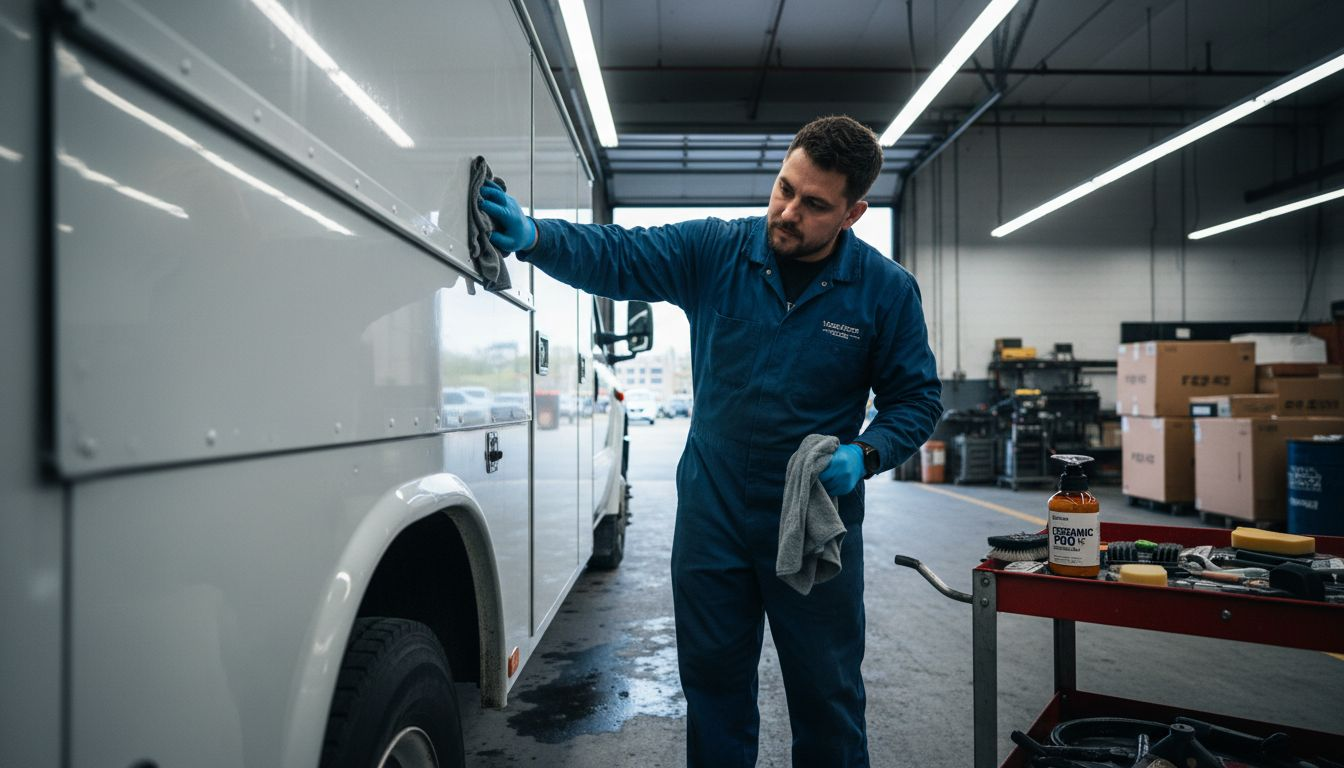
The application process involves several intricate stages designed to create a seamless protective layer. Initial steps include intensive vehicle surface cleaning, paint correction, and complete decontamination to remove any existing imperfections, oxidation, or residual compounds. Technicians typically use specialized polishing equipment to create a perfectly smooth surface, ensuring maximum adhesion of the ceramic coating. The actual coating application requires controlled environmental conditions, with carefully managed temperature and humidity levels to prevent potential application defects.
Ceramic coating science reveals that the chemical bonding process is fundamental to the coating’s effectiveness. Professional applicators apply the liquid polymer in extremely thin, uniform layers, allowing each layer to cure properly before the next application. The result is a molecular-level shield that chemically integrates with the vehicle’s original paint, creating a robust, hydrophobic surface resistant to environmental contaminants, UV radiation, and mechanical stress. Fleet vehicles benefit from this advanced protection, which can significantly extend the aesthetic and structural integrity of their vehicle fleet.
Pro Tip: Always select a certified professional with documented experience in fleet ceramic coating applications to ensure the highest quality and longest-lasting protection.
Benefits for Fleet Durability and Maintenance
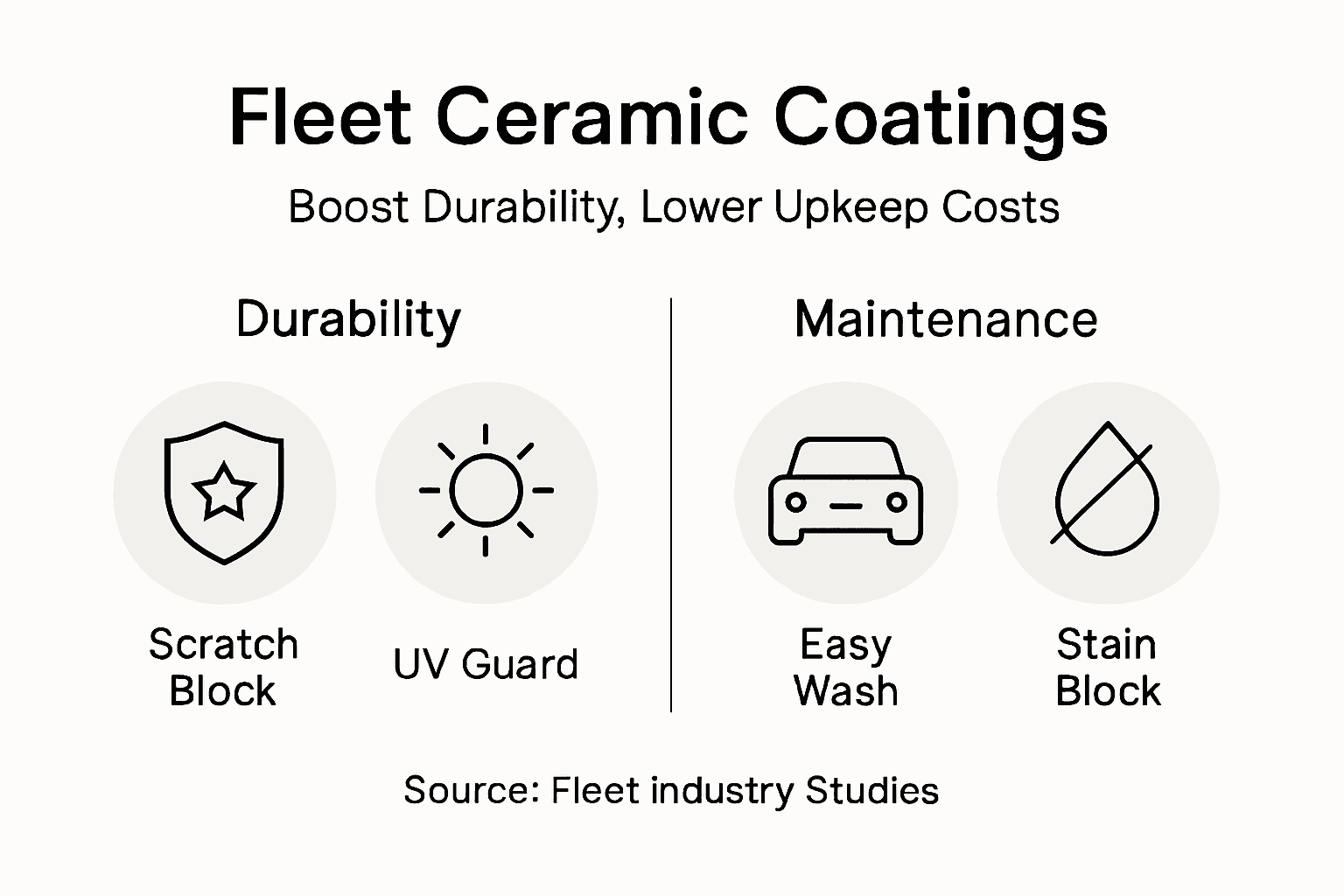
Ceramic coatings represent a transformative solution for fleet vehicle preservation, offering comprehensive protection that extends far beyond traditional maintenance approaches. Fleet vehicle protection strategies demonstrate significant advantages in maintaining vehicle appearance and structural integrity. The advanced ceramic coating technology creates a robust molecular shield that dramatically reduces environmental wear and operational maintenance requirements.
The durability benefits of ceramic coatings are particularly remarkable for fleet management. These protective layers provide exceptional resistance against UV radiation, chemical contaminants, and mechanical abrasion, effectively reducing paint degradation and corrosion risks. Fleet vehicles equipped with ceramic coatings experience substantially reduced maintenance cycles, with hydrophobic properties minimizing dirt accumulation and making cleaning processes significantly more efficient. The smooth, sealed surface prevents oxidation and prevents minor scratches from penetrating the vehicle’s original paint, ultimately extending the operational lifespan of each vehicle in the fleet.
Beyond physical protection, ceramic coatings deliver substantial economic advantages for fleet operators. The reduced maintenance requirements translate directly into lower operational costs, with fewer detailing sessions and paint correction procedures needed over the vehicle’s lifecycle. Additionally, the enhanced aesthetic appearance supports stronger brand representation, as vehicles maintain a consistently professional and well-maintained appearance. By creating a protective barrier that resists environmental stressors, fleet managers can effectively extend vehicle value and reduce long-term replacement and refurbishment expenses.
Pro Tip: Schedule professional ceramic coating reapplication every 2-3 years to maintain maximum protective performance and preserve your fleet’s visual and structural integrity.
Cost Factors and Common Misconceptions
Ceramic coating investments for fleet vehicles involve nuanced financial considerations that extend beyond initial application expenses. Ceramic coating cost evaluations reveal a complex landscape of long-term value propositions that fleet managers must carefully analyze. The premium pricing of professional ceramic coating services often deters initial adoption, yet the economic benefits can significantly outweigh upfront investments.
Numerous misconceptions surrounding ceramic coatings can lead to unrealistic expectations among fleet operators. Many fleet managers erroneously believe these coatings create an impenetrable shield that completely eliminates maintenance requirements. In reality, ceramic coatings provide exceptional protection but are not indestructible. They dramatically reduce paint degradation, minimize cleaning frequency, and extend vehicle aesthetic quality, but they do not guarantee absolute immunity from environmental wear or mechanical damage. Understanding these limitations is crucial for developing accurate maintenance strategies and budget allocations.
The true cost-effectiveness of ceramic coatings emerges through comprehensive lifecycle analysis. While professional application represents a substantial initial expense, the reduced frequency of detailing, paint correction, and potential repainting can generate significant long-term savings. Fleet managers should consider factors such as vehicle exposure, operational environment, and anticipated usage patterns when evaluating the economic viability of ceramic coating investments. Comparing traditional maintenance expenses against the reduced care requirements facilitated by ceramic coatings provides a more holistic perspective on their financial advantages.
Pro Tip: Request detailed cost-benefit analyses from ceramic coating professionals that include projected maintenance savings specific to your fleet’s operational characteristics.
Risks, Limitations, and Alternatives
Ceramic coating protection strategies reveal important nuances that fleet managers must understand before implementation. While ceramic coatings offer substantial vehicle surface protection, they are not universal solutions that eliminate all potential damage risks. These advanced treatments provide significant advantages, but understanding their inherent limitations is crucial for making informed protective investments.
The primary risks associated with ceramic coatings stem from potential application errors and unrealistic performance expectations. Improper installation can result in uneven coverage, reduced effectiveness, and compromised protective qualities. Fleet vehicles face unique challenges that may exceed ceramic coating capabilities, particularly in environments with extreme mechanical stress or frequent impact exposure. Deep scratches and significant mechanical damage can penetrate the coating, potentially requiring complete reapplication. Unlike some alternative protection methods, ceramic coatings do not provide substantial physical thickness or self-healing properties.
Alternative protective solutions offer different trade-offs for fleet vehicle maintenance. Paint protection films (PPF) provide thicker, more impact-resistant layers but come with higher installation costs. Polymer sealants represent a more budget-friendly option with shorter-term protection, while traditional waxing remains a baseline approach for minimal surface preservation. Protective coating alternatives demonstrate that no single solution fits every fleet’s requirements. Fleet managers must carefully evaluate their specific operational environments, vehicle usage patterns, and budget constraints to select the most appropriate protective strategy.
Below is a summary of alternative vehicle protection methods and their unique advantages:
| Method | Physical Thickness | Impact Resistance | Cost Level |
|---|---|---|---|
| Ceramic Coating | Microthin layer | Resists environmental wear | Moderate to high |
| Paint Protection Film | Thick, flexible | Absorbs minor impacts | High |
| Polymer Sealant | Thin coating | Limited resistance | Low |
| Traditional Waxing | Very thin layer | Minimal protection | Very low |
Pro Tip: Conduct a comprehensive assessment of your fleet’s operational conditions before selecting a protective coating, considering factors like average vehicle age, environmental exposure, and maintenance budget.
Protect Your Fleet with Expert Ceramic Coatings from CDC Auto Detailing
If you are managing a fleet and want to overcome the challenges of environmental damage, fading paint, and costly maintenance, professional ceramic coatings are your solution. This article detailed how ceramic coatings create a strong, hydrophobic shield that preserves the appearance and durability of your vehicles. At CDC Auto Detailing, we understand the importance of reducing long-term costs while enhancing your fleet’s professional image with advanced protective treatments designed specifically for fleet vehicles.
Experience the difference that expert application and premium ceramic coatings can make for your fleet. With our mobile service in Pitman, New Jersey, you get convenience without sacrificing quality. Don’t wait for paint damage or dirt buildup to harm your business reputation. Visit our home page now to schedule your appointment. Learn more about our ceramic coating services that deliver lasting protection and shutter maintenance needs. Take action today to secure your fleet’s value and appearance for years to come.
Frequently Asked Questions
What are ceramic coatings and how do they benefit fleet vehicles?
Ceramic coatings are advanced protective technologies that form a durable layer on fleet vehicle exteriors, improving their durability and appearance. They create a hydrophobic shield that repels water, dirt, and contaminants, while also reducing paint degradation from UV rays and chemicals.
How long do ceramic coatings last on fleet vehicles?
The durability of ceramic coatings can vary based on the type applied. Entry-level coatings typically last 1-2 years, professional-grade coatings can last 3-5 years, and hybrid solutions generally provide protection for 2-4 years. Regular maintenance and reapplication can further enhance their longevity.
What is the application process for ceramic coatings?
The application process involves thorough surface preparation, including cleaning and paint correction, followed by the application of the ceramic coating in thin, uniform layers. Controlled environmental conditions are necessary for optimal curing, ensuring maximum bonding and durability.
Are ceramic coatings completely maintenance-free?
No, ceramic coatings are not maintenance-free. While they significantly reduce paint degradation and cleaning frequency, regular maintenance is still required to preserve their protective qualities and to ensure that the coating remains effective over time.