
For many South Jersey drivers, keeping a vehicle looking flawless often feels impossible with demanding schedules and unpredictable weather. The endless barrage of UV rays, acid rain, and environmental pollutants can quickly dull even the most cherished ride. That is why car waxing creates a critical defensive shield that preserves your car’s paint and prevents long-term damage. Discover how professional mobile waxing protects your investment and delivers a brilliant shine while saving you valuable time.
Table of Contents
- What Car Waxing Does for Your Vehicle
- Types of Car Wax and Key Differences
- How Waxing Protects Paint and Boosts Shine
- Waxing Frequency, Application, and Common Mistakes
- Comparing Waxing With Sealants and Ceramic Coatings
Key Takeaways
| Point | Details |
|---|---|
| Protection Layers | Car waxing creates a protective barrier that guards against UV rays, contaminants, and scratches, preserving paint quality. |
| Types of Wax | There are three primary types of wax: Natural Carnauba, Synthetic Polymer, and Hybrid Blends, each with unique benefits and application methods. |
| Waxing Frequency | Waxing should generally occur every 2-3 months for regular vehicles and more frequently for those exposed to harsh environments. |
| Avoid Common Mistakes | Proper application techniques and environmental conditions are crucial to achieving optimal results and preventing damage to the paint finish. |
What Car Waxing Does for Your Vehicle
Protecting your vehicle’s exterior is more than just about maintaining appearances. Car waxing creates a critical defensive shield that preserves your car’s paint and prevents long-term damage. Environmental protection techniques demonstrate how waxing acts as a sophisticated barrier against numerous external threats.
The primary function of car waxing involves creating a protective layer that shields your vehicle’s paint from harmful elements. This barrier defends against multiple potential damage sources:
- UV Ray Protection: Prevents paint fading and oxidation
- Contaminant Blocking: Stops acid rain, bird droppings, and industrial pollutants
- Scratch Mitigation: Fills minor paint imperfections
- Moisture Resistance: Reduces potential for rust and paint degradation
Beyond protection, waxing dramatically enhances your vehicle’s aesthetic appeal. The process creates a glossy, vibrant finish that makes the paint look fresh and well-maintained. Regular waxing helps maintain color depth and shine, essentially providing a renewable layer of visual enhancement that keeps your car looking showroom-new.
Pro tip: Apply car wax in a shaded area and use circular motions for maximum paint protection and shine.
Types of Car Wax and Key Differences
Understanding the nuanced world of car waxes requires exploring the diverse range of products available for vehicle protection. Car wax composition reveals three primary categories that car owners should consider: natural waxes, synthetic polymers, and hybrid formulations.
The three main types of car wax offer distinct characteristics and benefits:
-
Natural Carnauba Wax
- Derived from Brazilian palm tree leaves
- Provides deep, warm glossy finish
- Shortest protective duration
- Best for show cars and enthusiasts
-
Synthetic Polymer Sealants
- Laboratory-engineered protective coating
- Longer-lasting environmental protection
- More uniform, slightly cooler appearance
- Ideal for daily drivers and practical maintenance
-
Hybrid Wax Blends
- Combines natural and synthetic ingredients
- Balances aesthetic appeal with extended protection
- Versatile option for most vehicle owners
- Moderate durability and shine
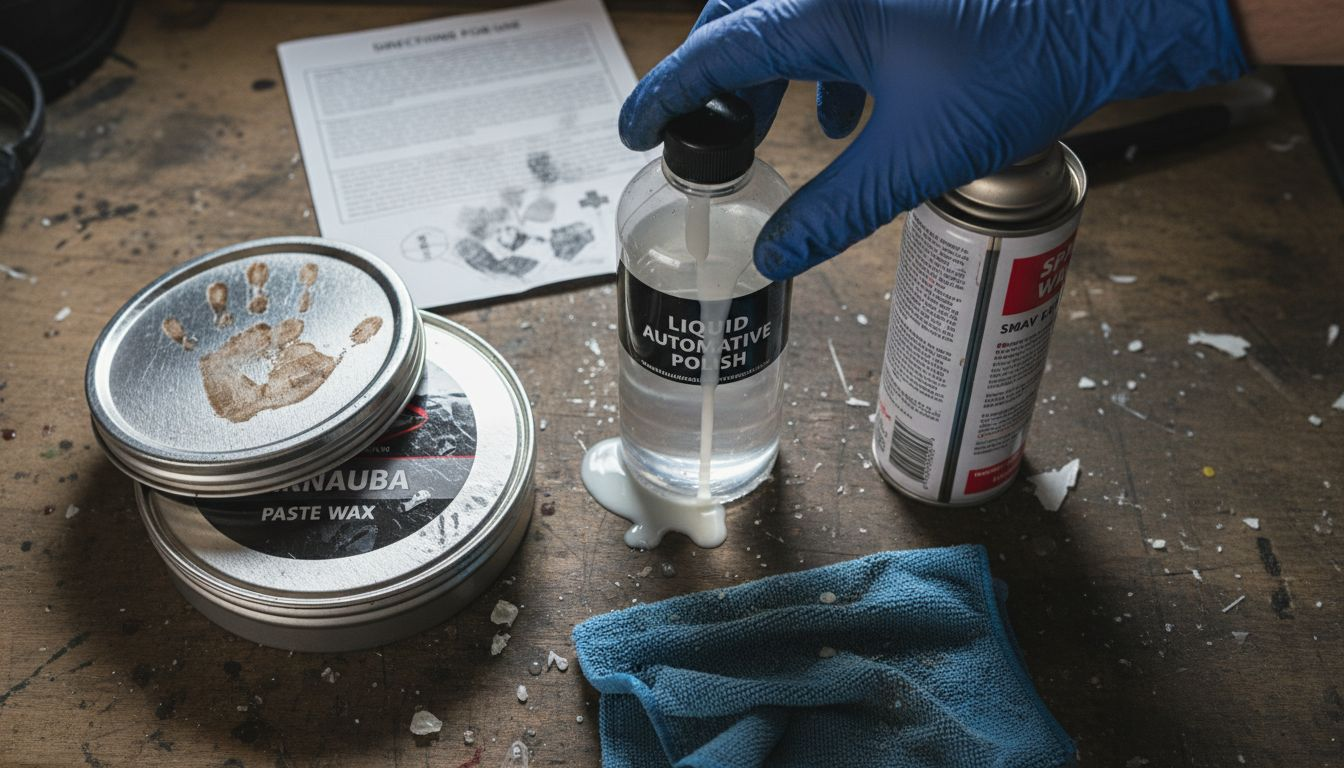
Each wax type comes in different application formats, including paste, liquid, and spray. Paste waxes traditionally offer the most durable protection but require more effort to apply. Liquid waxes provide easier application, while spray waxes deliver convenience for quick touch-ups.
Here’s how the main types of car wax differ in key usage factors:
| Wax Type | Best For | Typical Longevity | Ease of Application |
|---|---|---|---|
| Natural Carnauba | Show cars, enthusiasts | 1-3 months | Moderate effort required |
| Synthetic Polymer | Daily drivers | 6-12 months | Generally easy to apply |
| Hybrid Blends | Most vehicle owners | 3-6 months | Balanced between others |
Professional detailers recommend matching your wax selection to your specific driving conditions and maintenance commitment.
Pro tip: Test different wax types on a small area first to determine the best finish for your specific vehicle’s paint.
How Waxing Protects Paint and Boosts Shine
Protecting your vehicle’s exterior is a nuanced art that goes far beyond simple aesthetic maintenance. Protective paint techniques reveal how waxing creates a sophisticated barrier against environmental threats that can gradually degrade your car’s finish.
The primary protective mechanisms of car waxing include multiple critical defense strategies:
-
Surface Sealing
- Creates invisible protective layer over clear coat
- Blocks direct contact with harmful contaminants
- Prevents immediate paint damage
-
Scratch Prevention
- Fills microscopic surface imperfections
- Smooths out minor abrasions
- Reduces visibility of existing small scratches
-
Environmental Defense
- Blocks ultraviolet radiation
- Prevents oxidation and color fading
- Resists acid rain and industrial pollutants
Beyond protection, waxing dramatically transforms your vehicle’s visual appeal. The protective layer reflects light more evenly, creating a deep, vibrant shine that makes the paint appear fresher and more luminous. This optical enhancement goes beyond surface beauty, actively contributing to the paint’s long-term preservation.
Professional detailers understand that waxing is not just cosmetic maintenance, but a critical preservation strategy for automotive finishes.
Pro tip: Apply wax in thin, even layers and buff thoroughly to maximize protective benefits and aesthetic appeal.
Waxing Frequency, Application, and Common Mistakes
Maintaining your vehicle’s pristine appearance requires more than sporadic care. Automotive waxing techniques demand precision, knowledge, and consistent application to achieve optimal results.
The recommended waxing schedule and best practices include:
-
Waxing Frequency
- Every 2-3 months for standard vehicles
- Quarterly for cars exposed to harsh environments
- More frequent for vehicles with daily outdoor exposure
-
Preparation Steps
- Thoroughly wash vehicle
- Dry completely before waxing
- Remove surface contaminants
- Ensure paint is cool to the touch
-
Application Techniques
- Use clean, soft microfiber applicators
- Apply thin, even layers
- Work in small sections
- Use circular motions
- Buff with clean microfiber cloth
Avoiding common mistakes can dramatically improve your waxing results. Many car owners inadvertently damage their vehicle’s finish by waxing in direct sunlight, using excessive product, or failing to properly clean surfaces before application. Technique matters as much as frequency.
The following table summarizes common waxing mistakes and how to avoid them:
| Mistake | Negative Outcome | Best Practice to Prevent |
|---|---|---|
| Waxing in sunlight | Uneven haze, hard removal | Wax in a cool, shaded area |
| Using too much wax | Streaks, excess residue | Apply thin, even layers |
| Skipping paint prep | Embedded grit, scratched paint | Wash and dry thoroughly first |
| Not buffing properly | Dull finish, visible streaks | Use a clean microfiber cloth |
Professional detailers understand that patience and precision are key to achieving a flawless automotive finish.
Pro tip: Perform a spot test in an inconspicuous area to ensure compatibility and desired results before full application.
Comparing Waxing With Sealants and Ceramic Coatings
Understanding the nuanced world of automotive paint protection requires comparing different technologies. Paint protection technologies reveal distinct advantages and limitations across waxing, sealants, and ceramic coatings.
A comprehensive comparison of automotive surface protection methods includes:
-
Carnauba Wax
- Natural organic protection
- Warm, deep aesthetic shine
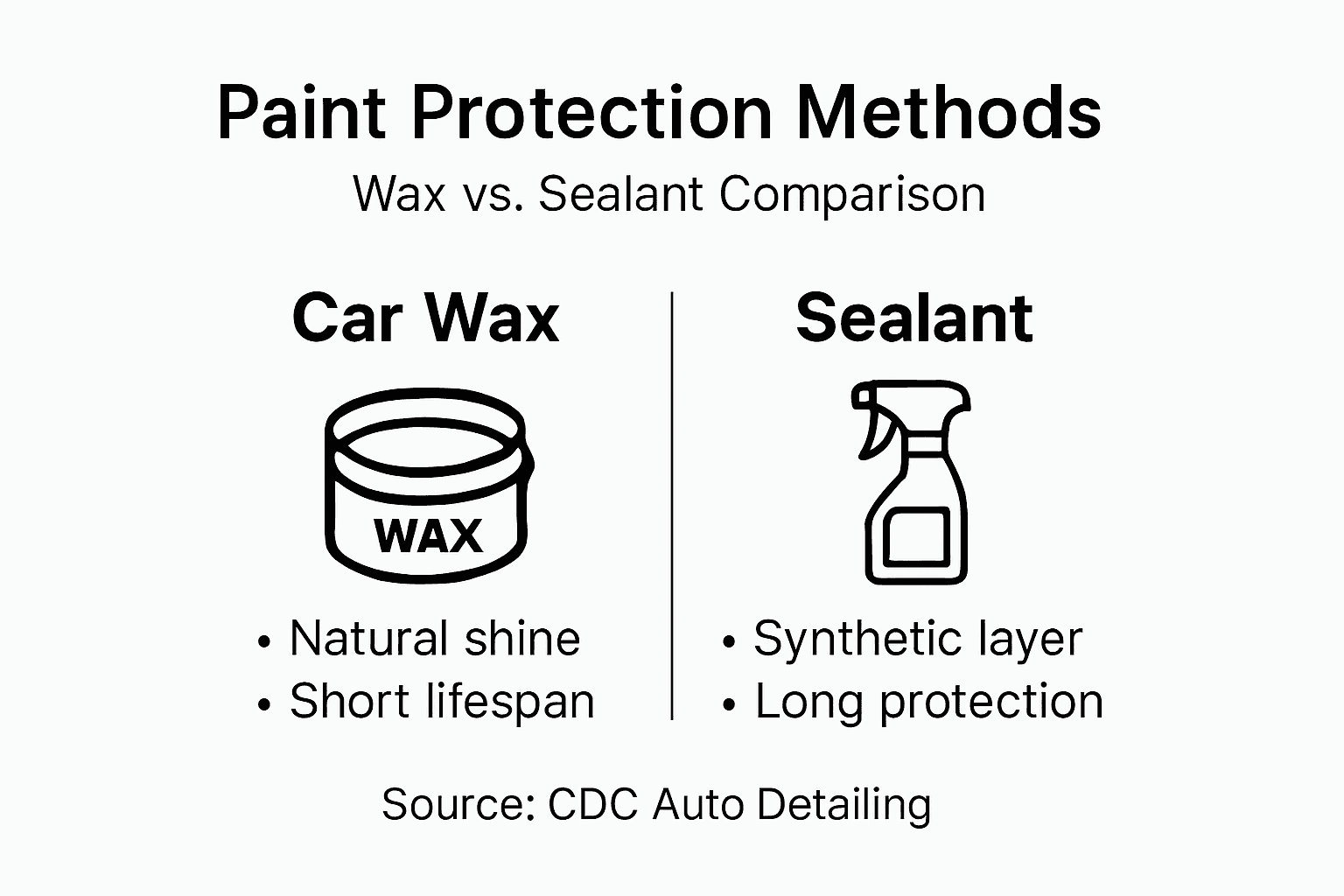
- Shortest protection duration (2-3 months)
- Most affordable option
- Requires frequent reapplication
-
Synthetic Sealants
- Laboratory-engineered protection
- Longer durability (6-12 months)
- More uniform appearance
- Enhanced water repellency
- Moderate cost
-
Ceramic Coatings
- Inorganic, hard protective layer
- Longest protection (2-5 years)
- Superior chemical resistance
- Maximum UV and scratch protection
- Highest initial investment
Each protection method represents a trade-off between cost, durability, and aesthetic qualities. Car owners must balance their budget, maintenance commitment, and desired visual outcome when selecting a paint protection strategy.
Professional detailers recommend matching protection technology to your specific driving conditions and vehicle usage.
Pro tip: Consider your local environment, budget, and maintenance capabilities when selecting a paint protection method.
Protect Your Car’s Shine with Professional Waxing Services
Keeping your vehicle protected from UV rays, contaminants, and everyday wear is essential to maintain that deep, lasting shine discussed in the article. If you want to avoid common waxing mistakes and ensure your car’s paint stays vibrant and shielded, trust the experts who understand how critical proper application and product choice really are. At CDC Auto Detailing, we specialize in premium exterior care tailored to South Jersey drivers who demand quality and convenience.

Ready to elevate your vehicle’s appearance and protection with professional waxing and detailing services? Visit CDC Auto Detailing to explore services like exterior detailing, ceramic coatings, and paint protection that extend the benefits of waxing for months. Book your appointment today and experience a brilliant shine that lasts all year long.
Frequently Asked Questions
What are the benefits of waxing my car?
Waxing your car provides several benefits, including protection from UV rays, contaminants, and scratches, as well as enhancing the vehicle’s shine and aesthetic appeal.
How often should I wax my car for optimal protection?
It’s recommended to wax your car every 2-3 months for standard vehicles, and more frequently if your car is exposed to harsh environments or outdoor conditions.
What is the difference between natural wax, synthetic sealants, and ceramic coatings?
Natural wax provides a warm shine but lasts 1-3 months, synthetic sealants offer longer-lasting protection (6-12 months) with a uniform look, and ceramic coatings provide the longest protection (2-5 years) with superior durability and UV resistance.
What common mistakes should I avoid when waxing my car?
Avoid waxing in direct sunlight, using too much wax, skipping the preparation steps, and failing to buff properly, as these can lead to streaks, a dull finish, and ineffective protection.
Recommended
- What Is Car Waxing and Why Your Car Needs It
- How Long Does Ceramic Coating Last? Understanding Durability – CDC Detailing
- How to keep your car clean in winter – CDC Detailing
- Winter maintenance tips for ceramic-coated vehicles – CDC Detailing
- Jewelry Cleaning at Home: Restore Shine Safely and Easily – Malibu Vibes Jewelry