
South Jersey drivers deal with a unique mix of road salt, humid summers, heavy pollen seasons, and sharp temperature swings that can quietly wear down even a well-built vehicle. It’s surprisingly easy to skip the basics when life gets busy, but skipping them adds up fast in repair bills and breakdowns. This checklist cuts through the noise and gives you a practical, season-by-season plan to keep your car safe, reliable, and looking sharp. Whether you’re commuting through Pitman or running errands across Gloucester County, staying ahead of maintenance is the smartest investment you can make in your vehicle.
Table of Contents
- Essential fluids: Checks and changes
- Battery health and seasonal stress
- Visibility and safety: Wipers, lights, and glass
- Filters, tires, and the overlooked essentials
- Your complete quarterly car care checklist
- What most checklists miss: The local edge
- Level up your car maintenance with professional help
- Frequently asked questions
Key Takeaways
| Point | Details |
|---|---|
| Check oil and fluids | Keep all essential fluids at the right levels to prevent engine problems and expensive repairs. |
| Test battery seasonally | Car batteries can fail rapidly in Northeast winters, so regular testing is crucial. |
| Replace wipers and lights | Clear visibility in all weather starts with fresh wiper blades and working lights. |
| Monitor filters and tires | Replacing filters and maintaining tire pressure improves performance and safety year-round. |
| Follow a checklist | Using an easy-to-follow checklist makes maintenance less overwhelming and more effective. |
Essential fluids: Checks and changes
Your car’s fluids are its lifeblood. When they’re low, dirty, or the wrong type for the season, everything from your engine to your brakes suffers. The good news is that most fluid checks take less than five minutes and can save you thousands in repairs.
Here’s a quick rundown of the most important fluid maintenance tasks:
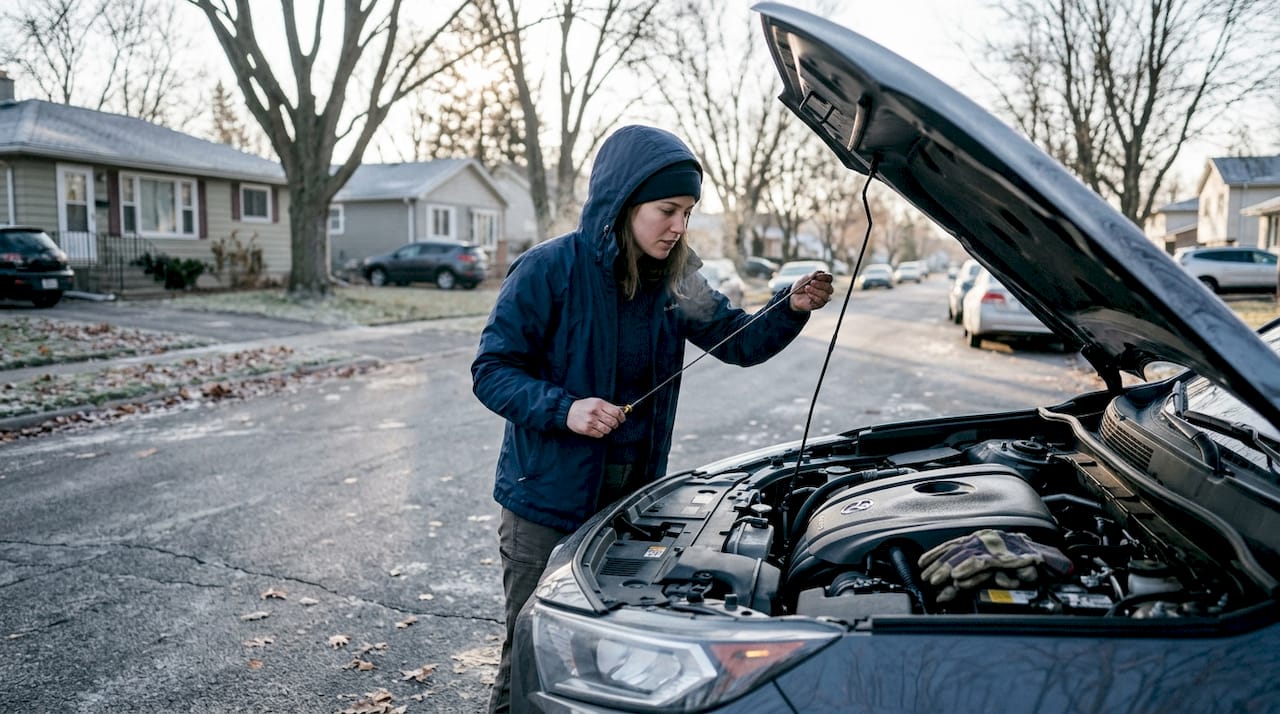
- Engine oil: Check the level monthly using the dipstick. If you’re using conventional oil, change it every 5,000 miles. Synthetic oil allows longer intervals up to 10,000 miles, which is worth the slightly higher upfront cost.
- Coolant (antifreeze): This fluid keeps your engine from overheating in summer and freezing in winter. Check the reservoir level every season and flush the system every 30,000 miles or as your manufacturer recommends.
- Brake fluid: Low or contaminated brake fluid is a serious safety risk. Check it every six months and replace it every two years or when it turns dark brown.
- Windshield washer fluid: Don’t underestimate this one. In South Jersey winters, a summer-formula washer fluid will freeze solid on your windshield. Always switch to a winter blend rated for below-freezing temperatures before November.
South Jersey’s cold snaps hit fast. When temperatures drop into the teens, conventional oil thickens and flows poorly, which stresses your engine at startup. Synthetic oil maintains better viscosity in the cold, making it a smart choice for Northeast drivers. Pair that with a winter-grade washer fluid and you’re already ahead of most car owners on the road.
Pro Tip: Keep a small bottle of washer fluid in your trunk. South Jersey roads get grimy fast in winter, and running out mid-drive is a visibility hazard.
For a broader picture of how fluids connect to your car’s overall condition, check out this guide on exterior car care in South Jersey, which covers how road grime and salt affect more than just your paint.
Battery health and seasonal stress
With your fluids squared away, it’s time to focus on your car’s power source: the battery. Cold weather is brutal on batteries, and South Jersey winters are no exception.
Here’s how to stay ahead of battery failure:
- Test annually: Once your battery hits the two-year mark, have it load-tested at an auto parts store or mechanic. Most batteries last 3 to 5 years, but Northeast winters can shorten that window.
- Inspect terminals: Look for white or bluish corrosion around the terminals. A buildup of corrosion increases resistance and can prevent your car from starting.
- Clean the terminals: Mix baking soda and water, apply with an old toothbrush, and rinse carefully. Dry thoroughly before reconnecting.
- Watch for warning signs: Slow cranking, dim headlights at idle, or a battery warning light are all red flags that your battery is struggling.
Cold temperatures can reduce a battery’s effective power by up to 50%, meaning a battery that works fine in October may leave you stranded in January.
This is especially relevant for South Jersey drivers who park outside overnight. If your car sits in a driveway through a hard freeze, your battery is working twice as hard to deliver the same starting power.
Pro Tip: If your battery is over three years old, replace it in early fall before the first cold snap rather than waiting for it to fail on a freezing morning.
For more cold-weather protection strategies, the winter maintenance tips guide covers how to protect your entire vehicle through the season.
Visibility and safety: Wipers, lights, and glass
Once your vehicle starts reliably, being able to see and be seen in any weather comes next. South Jersey throws a lot at drivers: heavy fog off the Delaware Bay, spring pollen coating every surface, and sudden ice storms that hit without much warning.
Here’s what to keep on your radar:
- Wiper blades: Replace wipers 1 to 2 times per year. If they streak, squeak, or leave dry patches, don’t wait. Consider a beam-style blade for winter, which handles ice and snow better than traditional frames.
- Headlights and taillights: Walk around your car monthly and check every exterior light. A burned-out brake light is both a safety hazard and a ticket waiting to happen.
- Interior lights: Dashboard warning lights, dome lights, and license plate lights are easy to forget but matter for safety and compliance.
- Glass condition: Inspect your windshield for chips and cracks regularly. A small chip can spread into a full crack overnight when temperatures drop sharply. Check door seals too, as worn seals let in wind noise, water, and cold air.
Pro Tip: Apply a rain-repellent treatment to your windshield glass each spring and fall. It dramatically improves visibility in heavy rain and makes your wipers more effective.
Keeping your glass clean is also a safety issue, not just an aesthetic one. A film of grime or pollen on the inside of your windshield creates dangerous glare at sunrise and sunset. For a full seasonal approach to vehicle upkeep, the car care in South Jersey guide and spring exterior detailing tips are both worth bookmarking.
Filters, tires, and the overlooked essentials
After fluids, battery, and visibility, a few areas often escape owner attention but are just as crucial: filters and tires.
- Engine air filter: Replace it every 12,000 to 15,000 miles or once a year. A clogged filter reduces fuel economy and strains your engine.
- Cabin air filter: This one filters the air you breathe inside the car. Replace it annually, especially in South Jersey where spring pollen counts are high. A dirty cabin filter also reduces your HVAC system’s effectiveness.
- Tire pressure: Tire pressure drops 1 PSI for every 10°F drop in temperature. Check pressure monthly in winter and always before long trips. Under-inflated tires wear unevenly and reduce fuel efficiency.
- Tread depth: Use the penny test. Insert a penny into the tread groove with Lincoln’s head pointing down. If you can see the top of his head, it’s time for new tires.
- Tire rotation: Rotate every 5,000 to 7,500 miles to even out wear and extend tire life.
- Spare tire: Check your spare’s pressure twice a year. A flat spare is useless when you need it most.
Here’s a quick comparison to keep in mind:
| Filter type | Replacement interval | DIY friendly? |
|---|---|---|
| Engine air filter | Every 12,000 to 15,000 miles | Yes |
| Cabin air filter | Annually | Yes |
| Fuel filter | Every 30,000 miles | Sometimes |
For a deeper look at keeping your car’s interior in top shape alongside these mechanical tasks, the interior detailing checklist is a great companion resource.
Your complete quarterly car care checklist
Now, bring together all the above into one easy-to-use seasonal checklist for reliable car care. Consistency is what separates cars that last 200,000 miles from ones that hit the shop every other month.
Following a manufacturer maintenance schedule extends vehicle life and prevents costly breakdowns. Synthetic oil users can stretch oil changes to 10,000 miles, but everything else still needs regular attention.
| Task | Spring | Summer | Fall | Winter |
|---|---|---|---|---|
| Check and change oil | ✓ | ✓ | ✓ | ✓ |
| Inspect battery | ✓ | ✓ | ||
| Replace wiper blades | ✓ | ✓ | ||
| Check tire pressure | ✓ | ✓ | ✓ | ✓ |
| Rotate tires | ✓ | ✓ | ||
| Replace cabin air filter | ✓ | |||
| Switch washer fluid | ✓ | |||
| Inspect glass and seals | ✓ | ✓ | ||
| Check all exterior lights | ✓ | ✓ | ✓ | ✓ |
A few quick reminders to round out your checklist:
- Keep an emergency kit in your trunk: jumper cables, a flashlight, a blanket, and a first-aid kit.
- Store your maintenance records in the glove box or a simple app. This matters for resale value.
- Give your car a thorough cleaning each season. Salt, pollen, and grime cause long-term damage if left on paint and undercarriage.
- Before any detailing appointment, review the prepare for detailing guide to get the most out of the service.
A well-maintained car holds its value significantly better at trade-in or resale. Buyers notice service records, clean interiors, and paint that hasn’t been neglected.
What most checklists miss: The local edge
National car maintenance guides are a solid starting point, but they’re written for the average driver in the average climate. South Jersey is not average. Road salt from winter treatments eats at undercarriages and wheel wells in ways that drivers in warmer states never have to think about. Spring pollen here is intense enough to coat a car overnight and work its way into cabin filters, vents, and door seals faster than most guides account for.
What we’ve seen working with local vehicle owners is that the biggest maintenance mistakes aren’t about ignoring oil changes. They’re about using a one-size-fits-all schedule when your environment demands something more specific. Adjusting your checklist to the actual seasons you experience, not the generic four-season model, makes a real difference.
Mobile detailing fits naturally into this local approach. Busy South Jersey car owners don’t always have time to drive somewhere and wait. Having a professional come to you means the work actually gets done, on schedule, without disrupting your day. The growth of mobile detailing reflects exactly this shift in how people want to maintain their vehicles. Pair a tailored maintenance checklist with regular professional detailing and you’re protecting your investment from every angle.
Level up your car maintenance with professional help
Ready to go beyond DIY maintenance? Here’s how professional services can make car care effortless.
Working through a seasonal checklist puts you ahead of most car owners, but some tasks deliver the best results in professional hands. A trained detailer catches things you might miss, from paint contamination to early rust spots under door jambs.

At CDC Auto Detailing, we bring the service to you anywhere in South Jersey. Whether you need a full interior and exterior refresh, want to explore auto detailing service options, or are ready to protect your paint with a ceramic coating, we make it easy to schedule around your life. Learn more about how mobile detailing works and why it’s become the preferred choice for South Jersey drivers who take their vehicles seriously.
Frequently asked questions
How often should I change my engine oil?
Change your oil every 5,000 to 10,000 miles, depending on whether you use synthetic or conventional oil and how hard you drive.
What’s the typical car battery lifespan in South Jersey?
Most batteries last 3 to 5 years, but Northeast winters can shorten that range, so annual testing after year two is a smart habit.
Do I need to check tire pressure in winter?
Absolutely. Tire pressure drops 1 PSI for every 10°F temperature decrease, so monthly checks are essential during cold months.
How often should wiper blades be replaced?
Replace wiper blades 1 to 2 times per year or sooner if they streak, skip, or squeak across your windshield.
Which maintenance tasks should I leave to professionals?
Complex jobs like major fluid flushes, advanced diagnostics, brake system work, and full detailing deliver better results and fewer risks when handled by trained professionals.