
TL;DR:
- Keeping farm vehicles reliable in South Jersey requires routine inspections, thorough cleaning, and diligent maintenance practices to prevent costly breakdowns. Regular checks of tires, filters, and critical components, combined with contamination control and rust prevention, extend equipment lifespan and ensure safety during peak seasons. Professional detailing and protective coatings further shield machinery from harsh environmental conditions, maximizing investment and operational efficiency.
Keeping farm vehicles running reliably season after season in South Jersey is one of the toughest maintenance challenges you’ll face. Between silage runs, muddy fields, and summer humidity that never quite lets up, your tractors, combines, and utility vehicles take a beating that ordinary car owners can barely imagine. Frequent inspections and cleaning are the foundation of preventing the kind of buildup that quietly destroys equipment over time. This article gives you 12 expert-backed care tips that go well beyond the basics, so you get more years out of every machine and fewer costly breakdowns at the worst possible moments.
Table of Contents
- Build a smart inspection and cleaning routine
- Follow a complete maintenance checklist
- Protect your oil and lubrication systems
- Prevent rust and corrosion in field conditions
- Prepare for South Jersey’s seasonal risks and silage operations
- Our perspective: What most agricultural vehicle care tips miss
- Want more reliable farm vehicles? Explore specialized detailing and protection services
- Frequently asked questions
Key Takeaways
| Point | Details |
|---|---|
| Routine checks matter | Regular inspection and cleaning prevent most major breakdowns and costly repairs. |
| Protect oil systems | Keeping oil and lubricants clean is key to extending equipment life and reliability. |
| Fight rust proactively | Consistent anti-corrosion measures safeguard your investment from South Jersey weather. |
| Seasonal readiness | Pre-season field checks and SAFE STOP procedures greatly cut risks during busy periods. |
Build a smart inspection and cleaning routine
Let’s start with what every farm machine needs: routine inspection and thorough cleaning. A visual check before and after each use takes only a few minutes, but it can catch a cracked hose, a loose fitting, or a clogged air filter before it becomes a $3,000 repair. The goal is to make these checks automatic, like checking your mirrors before pulling onto a road.
Tractor maintenance tips consistently show that building a routine of frequent inspections and cleaning prevents mud and debris from clogging moving parts and degrading performance over time. South Jersey’s spring planting season and fall harvest bring specific challenges: heavy clay soils that pack into wheel wells, silage acids that attack painted surfaces, and seasonal rain that drives moisture into every gap.
Here is what to cover every time you inspect and clean:
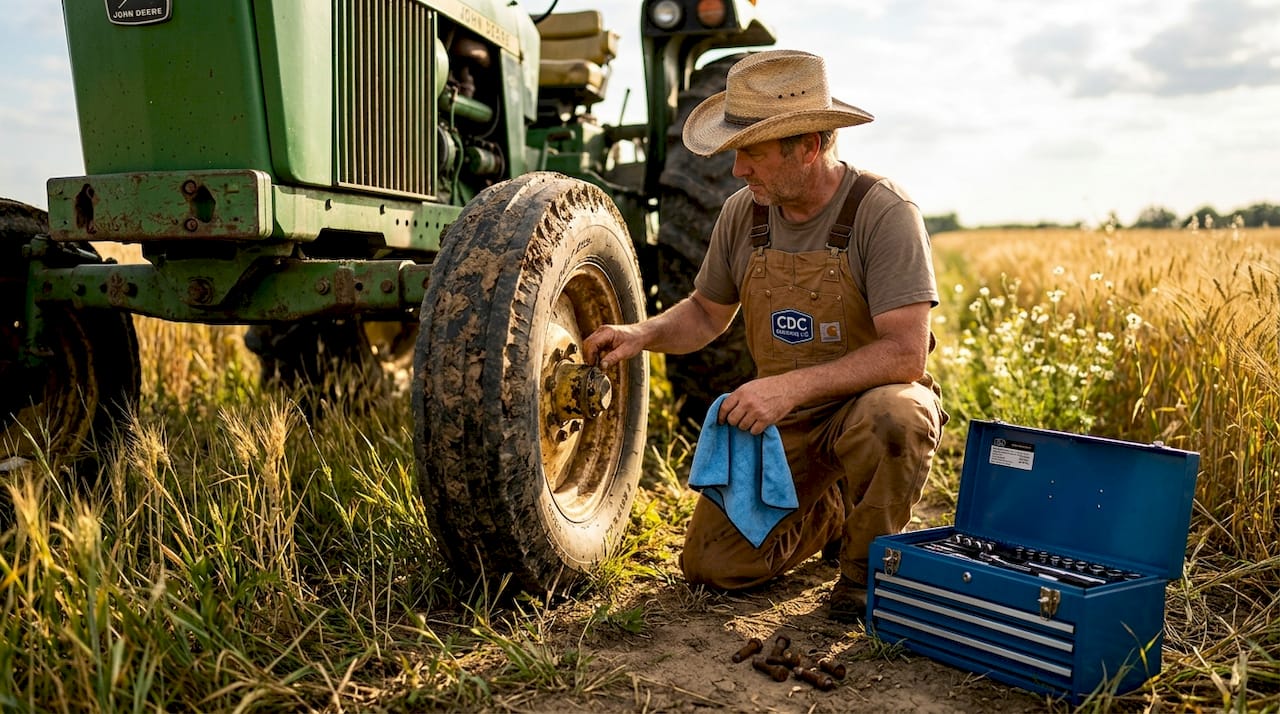
- Tires and wheels: Remove packed mud from tread and around lug nuts to spot slow leaks or sidewall damage early
- Air filters: Check for dirt buildup, especially after working in dry, dusty conditions or cutting cover crops
- Radiator screens: Clear crop debris and chaff before it compresses into an insulating mat that causes overheating
- Exposed moving parts: Wipe down and visually inspect PTO shafts, linkage pins, and hitch points for wear or cracks
- Cab interior: Sweep out cab floors, check pedal surfaces for mud buildup that can cause slipping, and wipe down controls
Use a detailing checklist for fleets to make sure nothing gets skipped during busy seasons when shortcuts are tempting. A written checklist also helps new operators or seasonal workers follow the same standard you expect.
“Routine cleaning is not just cosmetic. A machine that is kept clean runs cooler, lasts longer, and is far easier to inspect for developing problems.” This is especially true for agricultural vehicles that operate in conditions most vehicles never see.
Pro Tip: After every field day during silage season, rinse the undercarriage and chassis with fresh water before parking. Silage juice is highly acidic and will attack metal and painted surfaces if left overnight.
Our vehicle detailing tips for agricultural equipment go deeper on the specific cleaning methods that protect finishes and functional components without damaging seals or electronics. You can also build out your own version of a vehicle cleaning checklist that maps to your specific equipment list and seasonal schedule.
Follow a complete maintenance checklist
While cleaning and visual checks lay the groundwork, a structured maintenance checklist ensures nothing slips through the cracks. Tractors and combines have dozens of systems that need attention on different schedules, and relying on memory is not a reliable strategy.
A practical checklist should be divided into daily, weekly, and seasonal tasks. Here is a simple three-level breakdown to start with:
- Daily (pre-use): Check engine oil, coolant, and hydraulic fluid levels; inspect tires for inflation and damage; test brakes and steering; verify all lights are working
- Weekly: Grease all zerk fittings; check and clean air filter; inspect belts for wear or cracking; check battery terminals for corrosion
- Seasonal: Change engine oil and filter; replace fuel filter; inspect hydraulic hoses for swelling or leaks; check PTO clutch adjustment; service brakes fully
A maintenance checklist for tractors should always include pre-use checks covering fluids, leaks, tires, hydraulics, lights, brakes, and steering, plus planned lubrication and filter inspection tasks. Using a structured schedule rather than checking things “when they seem wrong” is the single biggest shift that reduces unexpected failures.
Here is a quick comparison of routine versus scheduled service tasks:
| Task | Routine (Daily/Weekly) | Scheduled (Seasonal/Annual) |
|---|---|---|
| Engine oil check | Check level daily | Change every 200-500 hours |
| Air filter | Inspect weekly | Replace per manufacturer spec |
| Tire pressure | Check before each use | Full inspection and rotation annually |
| Hydraulic fluid | Check level weekly | Full fluid change annually |
| Brake inspection | Basic check daily | Full service before busy season |
| Greasing fittings | Every 8-10 hours of use | Comprehensive check each season |
Record-keeping matters more than most guides acknowledge. A simple logbook or spreadsheet that tracks what was done, when, and by whom creates accountability. It also adds real value at resale time, because a documented service history tells the next buyer the machine was treated right.
Pro Tip: Before peak harvest season, use a seasonal maintenance checklist to audit every major system and catch issues while there is still time to source parts without emergency shipping costs.
Following through on car maintenance best practices also applies directly to farm vehicles. The principles are the same even if the scale is different.
Protect your oil and lubrication systems
Good inspection and maintenance won’t last without protecting your vehicle’s lifeblood: oil and grease systems. Clean lubricants keep metal surfaces from grinding against each other. Contaminated lubricants do the opposite, quietly grinding away bearing surfaces, pump components, and hydraulic valves until something fails at exactly the wrong time.
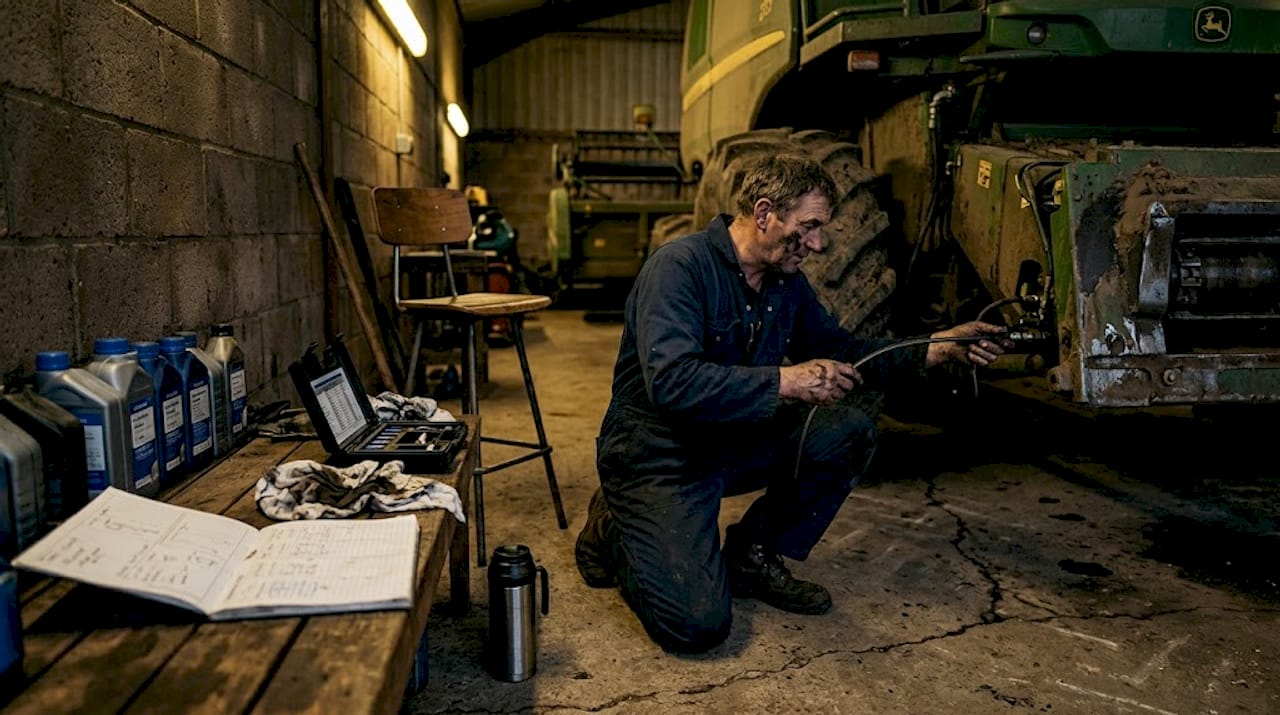
Lubrication contamination control is one of the strongest reliability levers you have for extending equipment life. Contaminated oil accelerates wear and failures far faster than most operators realize. Even a small amount of water or fine dust mixed into engine oil changes its film strength and starts attacking surfaces within hours of operation.
Common contamination sources and their effects include:
- Water ingress: Causes oxidation, promotes rust inside engine passages, and degrades additive packages rapidly
- Dust and soil particles: Act as abrasives that score cylinder walls and bearing surfaces
- Cross-contamination: Using the wrong oil type in hydraulic systems causes seal swelling and pressure loss
- Old oil left too long: Breaks down into sludge that clogs oil passages and starves components of lubrication
“The cleanliness of oil in a machine is not just about the oil itself. It reflects how carefully the whole system is managed from storage to refill.”
Here are practical steps to keep your lubrication systems clean:
- Store bulk oil in sealed containers away from direct sunlight and temperature extremes
- Use dedicated, labeled funnels and transfer equipment for each fluid type
- Replace caps and fittings immediately after filling, never leaving a reservoir open longer than necessary
- Check oil color and consistency at every change; dark, gritty oil or oil with a milky appearance signals contamination
Pro Tip: Invest in a basic fluid testing kit or send oil samples to a lab once per season. Early detection of contamination or metal particle buildup can prevent a catastrophic engine or hydraulic pump failure that costs tens of thousands of dollars.
Following vehicle maintenance best practices that apply to all vehicles will reinforce good habits across your entire fleet, from trucks to implements.
Prevent rust and corrosion in field conditions
With lubrication dialed in, the next battle is keeping the elements from eating your vehicle, especially in humid, salt-heavy environments. South Jersey farms face a triple threat: coastal salt air carried inland by Atlantic winds, residual road salt on rural routes through winter and spring, and constant moisture from irrigated fields and morning dew.
Corrosion prevention works best when you combine regular cleaning and inspection with a lubricant or coating strategy matched to your actual moisture, salt, and contaminant exposure. A one-size-fits-all approach misses the specific stressors your equipment faces.
Focus your rust prevention efforts on these high-risk areas:
- Chassis and frame rails: Check for bubbling paint, which signals rust forming underneath well before it becomes visible on the surface
- Underbody components: Inspect after every muddy field day; wet mud holds moisture against metal for hours and accelerates rust
- Hitch points and drawbars: These take the most mechanical stress and are often overlooked during cleaning
- Hydraulic cylinder rods: Exposed chrome rods can pit and score if they sit in contaminated environments without protection
Pro Tip: Apply a film of protective spray or light grease to exposed cylinder rods and hitch points after washing. This thin barrier is cheap insurance against overnight rust formation during wet seasons.
Signs of beginning corrosion to watch for include orange staining along weld seams, pitting on bare metal surfaces, and paint lifting at edges or corners. Catching these early means a wire brush and a coat of rust-converting primer fixes the problem. Ignoring them means metal fabrication and expensive downtime.
For advanced surface protection, explore detailing best practices for protection that can be applied to cabs, bodywork, and painted surfaces on agricultural vehicles to extend their appearance and resistance to field conditions.
Prepare for South Jersey’s seasonal risks and silage operations
Finally, to bring everything together, tailor your vehicle care routine to the unique hazards and high-stress moments on New Jersey farms. No season tests equipment harder than silage season, and no region in the country gets the combination of summer humidity, variable rainfall, and heavy clay soils that South Jersey delivers.
Pre-season machinery checks before the first silage cut help prevent breakdowns and injuries during one of the most time-critical moments in the farming calendar. A delay during first cut can mean quality losses that affect feed value for the entire year.
Build your pre-season and in-season safety routine around these priorities:
- Complete a full safety and mechanical inspection at least two weeks before first cut, so there is time to source any needed parts
- Check cutting components, belts, chains, and blades for wear; replace rather than gamble on another season
- Verify all guards and shields are in place and secure before any powered operation
- Confirm hydraulic connections are leak-free and hoses are routed away from heat sources
The SAFE STOP procedure from Rutgers NJAES is one of the most practical safety habits you can build into your daily routine. It involves reverse parking, applying the handbrake, shifting all controls to neutral, lowering attached implements to the ground, turning off the engine, and removing the keys before stepping off the machine. Following this sequence every single time protects you and anyone working nearby during inspections or adjustments.
Silage season also means extended hours and operator fatigue, which increases the chance of skipping a pre-use check or missing an early warning sign. Building a physical checklist that gets signed off each morning takes the guesswork out and creates a daily habit even on long, exhausting days.
Key statistic: Agricultural machinery accidents spike significantly during harvest season when time pressure causes operators to skip safety steps and delay maintenance. A pre-season review and a consistent daily procedure reduce that risk dramatically.
Our perspective: What most agricultural vehicle care tips miss
Most checklists and guides give you the right steps in theory. But the real-world gamechanger is not the list itself. It is the consistency and the small habits around contamination control that most operators underestimate until something expensive breaks.
Here is what we have seen matter most in practice: the snowball effect of tiny contamination events in oil and lubrication systems. Oil cleanliness directly extends equipment life by preventing the cumulative wear that happens when water and dust enter systems during storage and transfer, not just during operation. One careless refill with a dirty funnel, one container left uncapped in a dusty shed, one oil change done without wiping the filler neck first. These small events compound into accelerated wear that shows up months later as an unexplained bearing failure or a hydraulic pump that suddenly loses pressure.
Storage and transfer habits are the overlooked foundation of long-term reliability, and they matter more than any scheduled service interval. A machine that gets oil changes on time but is stored with loose caps and uncleaned fill points will wear faster than one that is slightly overdue on its service but handled with obsessive cleanliness during every fluid transaction.
For South Jersey farmers especially, over-preparing before silage and hay seasons is always worth it. The cost of a thorough pre-season inspection and a few replaced parts is a fraction of the cost of a failed season because a machine goes down at peak capacity. Read through our expert detailing tips for agricultural vehicles for a deeper look at protective care that supports these reliability goals from the outside in.
Want more reliable farm vehicles? Explore specialized detailing and protection services
If you want to truly maximize your investment and prevent common failures, professional detailing and protection services can fill in the gaps that standard maintenance leaves behind.

At CDC Auto Detailing, we work with South Jersey farmers and fleet operators to protect agricultural vehicles from the inside out. From deep exterior cleaning that removes corrosive silage residue to ceramic coating for long-term surface protection against humidity, mud, and salt, our services are built around the real conditions your equipment faces. Explore the full range of auto detailing services for farm vehicles and see how professional care complements your maintenance routine. Ready to see how auto detailing works for agricultural vehicles? Reach out and schedule a visit. We come to you, anywhere in South Jersey.
Frequently asked questions
How often should I inspect and clean my tractor or combine?
You should check and clean key components like tires, air filters, and surfaces after every major use and more frequently during wet or muddy seasons. Frequent inspections and cleaning prevent mud and debris from clogging moving parts and degrading performance over time.
What are the biggest risks of skipping oil or lubrication maintenance?
Contaminated or old oil can cause premature wear, breakdowns, and expensive failures in pumps and bearings. Lubrication contamination control is one of the most critical factors in extending the reliable life of your agricultural equipment.
Why is silage season especially hard on agricultural vehicles?
Silage operations push machines harder, increase exposure to mud and grass acids, and raise breakdown and safety risks. Pre-season machinery checks before first cut are critical to avoiding failures during the most time-sensitive window of your farming year.
How does the SAFE STOP procedure improve maintenance safety?
SAFE STOP ensures your vehicle is fully secured before you step off or begin any inspection, by reversing, applying the handbrake, shifting to neutral, lowering attachments, turning off the engine, and removing the keys. The SAFE STOP guidance from Rutgers NJAES makes this a repeatable daily habit that protects you and anyone working nearby.
What is the best way to stop rust and corrosion on field equipment?
Regular cleaning and inspection, using protective sprays or lubricants on exposed metal, and responding quickly to early signs prevent rust and corrosion before they become expensive structural problems. Combining cleaning with a coating strategy matched to your actual field conditions is the most effective long-term approach.