
Most car owners assume regular washing and a coat of wax provide adequate paint protection. This misconception leads to premature paint degradation, especially in South Jersey where environmental contaminants accelerate damage. Professional detailing goes far beyond basic care by removing embedded pollutants, correcting surface damage, and applying advanced protective coatings that preserve your vehicle’s finish for years. Understanding how expert detailing techniques enhance paint longevity helps you protect one of your largest investments.
Table of Contents
- Introduction To Paint Longevity And Detailing
- How Detailing Enhances Paint Longevity
- Advanced Protective Coatings For Long-Term Paint Defense
- Common Misconceptions About Paint Protection
- Maintenance Schedules For Lasting Paint Protection
- Professional Detailing Services And Their Impact On Paint Longevity
- Enhance Your Vehicle’s Paint Longevity With CDC Auto Detailing
- Frequently Asked Questions About Detailing And Paint Longevity
Key takeaways
| Point | Details |
|---|---|
| Professional detailing removes contaminants | Deep cleaning eliminates damaging pollutants that basic washing misses, preventing chemical etching and oxidation. |
| Advanced coatings provide multi-year protection | Ceramic and nano-ceramic coatings chemically bond to paint, offering 1 to 7 years of superior defense against UV rays and environmental damage. |
| Regular maintenance preserves coating effectiveness | Consistent washing and periodic professional care maintain protective layer performance and extend paint lifespan. |
| Mobile detailing delivers professional results | Certified technicians bring expert paint care directly to your location with quality matching fixed-location shops. |
| Common misconceptions undermine paint protection | Understanding myths about wax durability and cleaning methods prevents damage from improper care practices. |
Introduction to paint longevity and detailing
Your vehicle’s paint does more than create visual appeal. It serves as the primary barrier protecting metal panels from rust, corrosion, and environmental assault. In South Jersey, your car faces a brutal combination of UV radiation, road salt residue, industrial pollutants, and seasonal temperature swings that steadily degrade unprotected paint surfaces.
Several factors accelerate paint deterioration:
- Contaminant accumulation: Bird droppings, tree sap, road tar, and industrial fallout contain acids and chemicals that etch through clear coat when left untreated.
- UV oxidation: Constant sun exposure breaks down paint molecules, causing fading, chalking, and loss of gloss.
- Physical wear: Automatic car washes with abrasive brushes, improper washing techniques, and road debris create micro-scratches that compromise paint integrity.
- Environmental chemicals: Road salts, de-icing agents, and acid rain penetrate damaged clear coat, reaching base paint layers.
Professional detailing addresses these threats through a systematic approach. Detailing impacts vehicle longevity by combining thorough decontamination, paint correction to restore surface integrity, and application of protective layers that shield against future damage. This multi-step process delivers results impossible to achieve with consumer-grade products and basic washing.
The difference between routine cleaning and professional detailing lies in both methodology and materials. While washing removes surface dirt, detailing extracts embedded contaminants, corrects existing damage, and creates lasting protection. Professional car detailing matters because it employs specialized tools, professional-grade compounds, and technical expertise that preserve paint condition over the long term.
How detailing enhances paint longevity
Professional detailing extends paint life through three critical phases: deep cleaning, correction, and protection. Each step directly counteracts specific types of damage that shorten your vehicle’s aesthetic lifespan.
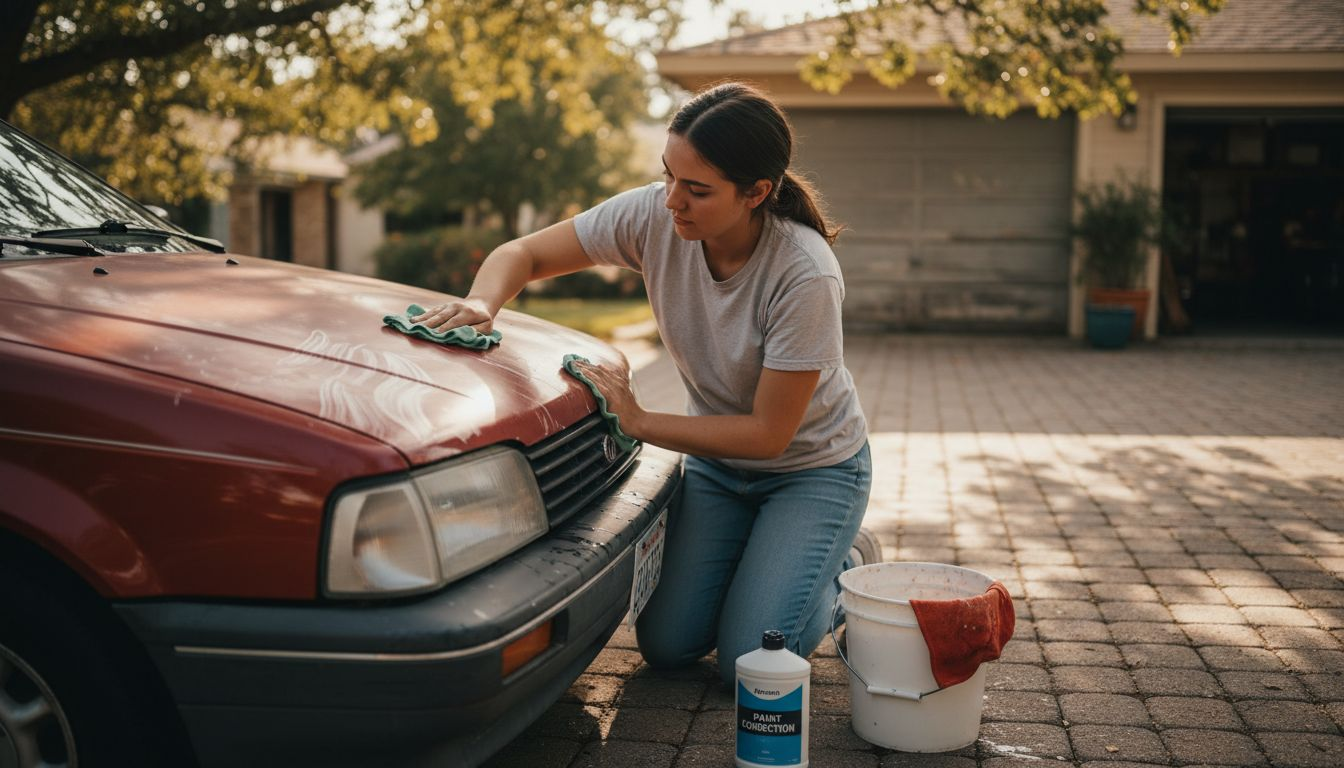
The cleaning phase removes contaminants that basic washing cannot eliminate. Clay bar treatment extracts bonded particles embedded in the clear coat, microscopic iron deposits from brake dust that cause rust spotting, and industrial fallout that chemically attacks paint. These substances create surface roughness and initiate oxidation when left in place.
Paint correction follows decontamination. Professional polishing removes micro-scratches invisible to the naked eye, restoring the smooth surface essential for both appearance and longevity. This process:
- Eliminates swirl marks and spider webbing from improper washing
- Removes oxidation that dulls paint and compromises clear coat
- Levels minor scratches and surface imperfections
- Restores paint clarity and depth
Skipping correction before applying protective coatings creates two problems. First, sealants trap existing contaminants against the paint, allowing continued damage underneath the protective layer. Second, rough surfaces reduce coating adhesion, shortening protection duration and effectiveness.
Protective coatings form the final defense layer. Modern sealants and ceramic coatings create a sacrificial barrier that absorbs environmental assault before it reaches your paint. These products shield against:
- UV radiation that breaks down paint polymers
- Chemical etching from bird droppings and acid rain
- Physical abrasion from road debris and washing
- Water spotting that leaves mineral deposits
Pro Tip: Always ensure paint correction precedes coating application. Even minor surface imperfections reduce bonding strength, cutting protection lifespan by 30 to 50 percent and allowing contaminants to work under the protective layer.
The synergy between these phases creates compound benefits. Clean paint accepts correction better. Corrected surfaces bond more effectively with protective coatings. Properly applied coatings resist contamination, making future cleaning easier and less abrasive. This cycle preserves paint condition far beyond what isolated treatments achieve.
Detailing for paint protection integrates these steps into comprehensive service packages. Best practices for maintaining clean, protected cars include following proper washing protocols between professional services and understanding which products complement rather than compromise protective layers. Staying current with 2026 detailing best practices ensures you benefit from evolving techniques and improved coating formulations.
Advanced protective coatings for long-term paint defense
Protective coating technology has evolved dramatically beyond traditional wax. Understanding your options helps you select appropriate protection levels for your needs and budget.
Traditional carnauba wax provides the shortest protection duration, typically lasting four to twelve weeks before breaking down. While wax creates attractive gloss, it offers minimal chemical resistance and degrades quickly under UV exposure. Polymer sealants extend protection to three to six months with improved durability, but still require frequent reapplication.
Ceramic coatings represent a fundamental technology shift. These silicon dioxide-based formulations chemically bond with paint at the molecular level rather than sitting on the surface. Ceramic coatings last one to five years when properly maintained, delivering superior protection against UV radiation, chemicals, and physical abrasion. The chemical bond creates a semi-permanent layer that withstands washing and environmental exposure far better than wax or sealants.
Nano-ceramic coatings push durability further. Advanced formulations incorporate smaller silicon dioxide particles that penetrate deeper into paint pores, creating stronger molecular bonds. Nano ceramic coatings extend protection to three to seven years depending on maintenance quality and environmental conditions. These premium coatings also provide enhanced hydrophobic properties, causing water to bead and sheet off surfaces.
| Coating Type | Protection Duration | Primary Benefits | Maintenance Requirements |
|---|---|---|---|
| Carnauba Wax | 4 to 12 weeks | Warm gloss, easy application | Reapply monthly to quarterly |
| Polymer Sealant | 3 to 6 months | Improved durability, synthetic protection | Reapply every 3 to 6 months |
| Ceramic Coating | 1 to 5 years | Chemical bond, UV resistance, chemical protection | Proper washing, annual inspection |
| Nano-Ceramic Coating | 3 to 7 years | Maximum durability, superior hydrophobic effect | Gentle washing, professional maintenance |
Hydrophobic effects deliver practical benefits beyond aesthetics. Water beading prevents mineral deposits and water spotting. Rapid water runoff reduces dirt adhesion, making your vehicle easier to clean and requiring less aggressive washing that could damage paint. This self-cleaning effect helps maintain coating integrity between professional services.
Pro Tip: Hydrophobic coatings reduce contamination bonding by up to 70 percent. Dirt and pollutants slide off with water rather than bonding to the surface, preserving both coating and underlying paint while cutting maintenance time.
Ceramic coating service in Pitman, NJ provides professional application ensuring proper surface preparation and curing. Understanding the complete ceramic coating application process helps you appreciate why professional installation delivers better results and longer protection than consumer-grade DIY products. Proper application technique, controlled curing environments, and multi-layer systems available to professionals maximize coating performance and longevity.
Investing in advanced coatings makes economic sense when calculated over time. A ceramic coating lasting three to five years costs less per month than repeated wax applications while delivering vastly superior protection. The enhanced paint preservation also maintains higher resale values, offsetting initial investment costs.
Common misconceptions about paint protection
Several widespread myths about paint protection lead car owners to make decisions that compromise their vehicle’s finish. Correcting these misconceptions helps you choose effective care strategies.
Many owners believe wax provides long-lasting protection comparable to modern coatings. In reality, wax protection endures only four to twelve weeks, while ceramic coatings maintain effectiveness for one to five years with proper care. Relying on wax alone means your paint spends most of the year inadequately protected, allowing cumulative damage that accelerates deterioration.
Another common belief holds that mobile detailing cannot match fixed-location shop quality. This misconception ignores that professional mobile services use identical products, equipment, and techniques as traditional shops. Certified technicians bring commercial-grade tools to your location, performing the same multi-step processes in controlled conditions. The primary difference is convenience, not quality.
Waterless washing products generate confusion about safe cleaning practices. Waterless cleaning should be limited to lightly soiled vehicles to prevent micro-marring. Attempting to remove heavy dirt, road grime, or stuck-on contaminants without proper rinsing drags abrasive particles across your paint, creating thousands of micro-scratches that dull finish and compromise clear coat integrity. These scratches accumulate over time, requiring correction to restore paint clarity.
Some owners assume any soap works equally well for car washing. Household detergents and dish soaps strip protective waxes and sealants while potentially damaging paint. pH-balanced automotive shampoos clean effectively without removing protective layers or affecting paint chemistry. Using proper products preserves both your coating investment and underlying paint.
The belief that new cars don’t need paint protection overlooks factory clear coat limitations. While modern clear coats offer basic protection, they provide minimal defense against chemical etching, UV damage, and physical abrasion. Professional protection applied early prevents damage accumulation, maintaining showroom condition far longer than factory clear coat alone.
Understanding these misconceptions helps you avoid common mistakes that shorten paint life. Effective paint protection through detailing requires accurate information about product capabilities, proper application methods, and realistic expectations for protection duration. Making informed decisions based on facts rather than myths ensures your investment in paint care delivers maximum returns.
Maintenance schedules for lasting paint protection
Establishing consistent maintenance routines maximizes protective coating effectiveness and extends the intervals between major detailing services. Strategic scheduling balances protection needs with practical considerations.
Optimal paint longevity requires detailing at twelve to thirty-six month intervals depending on your driving conditions and environmental exposure. Vehicles garaged and driven primarily on clean roads can extend service intervals toward the upper range. Cars parked outdoors, driven in harsh winter conditions, or exposed to industrial areas need more frequent professional attention.
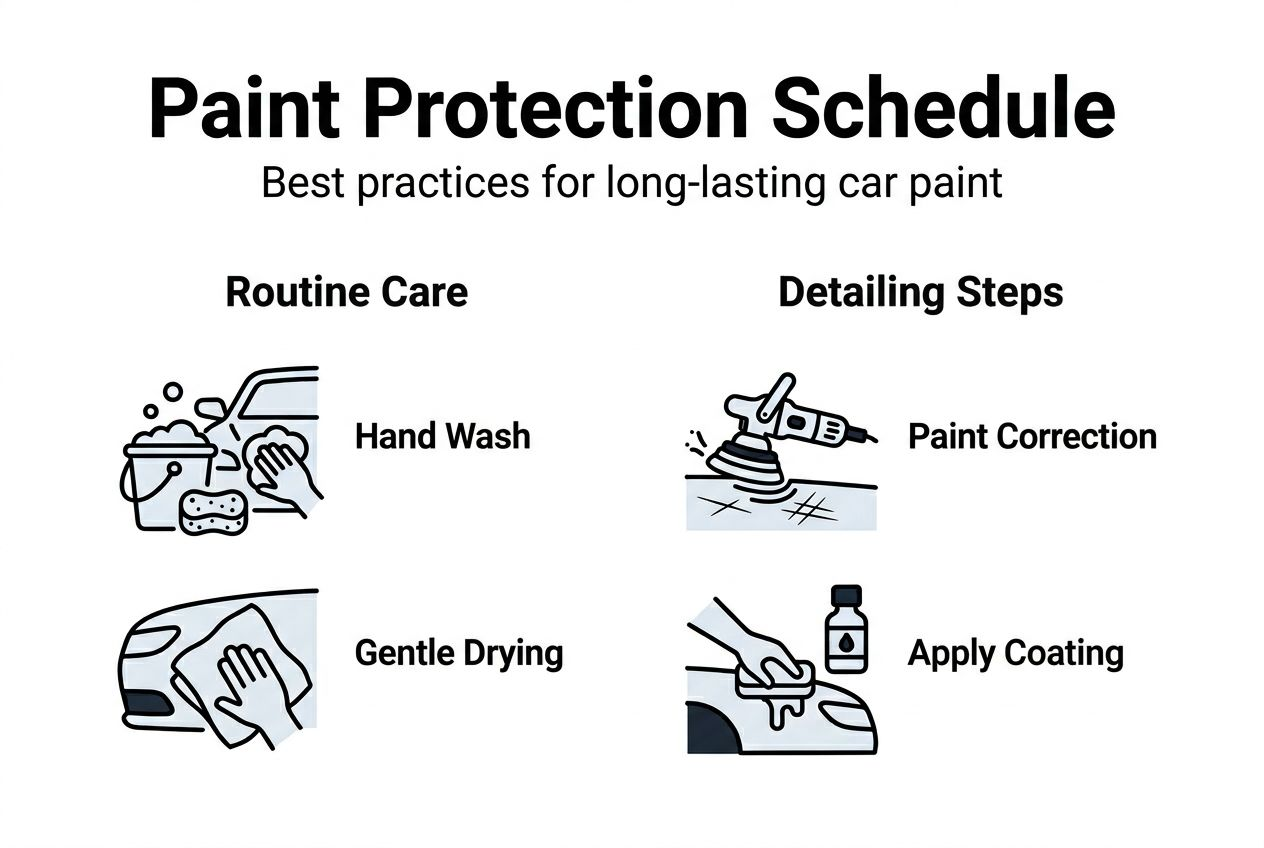
Environmental factors significantly influence maintenance frequency. South Jersey’s road salt application during winter months demands more aggressive maintenance schedules. Regular washing prevents damage from acids in bird droppings and road salts that slowly erode clear coat when left untreated. Urban pollution, coastal salt air, and intense summer UV exposure also accelerate coating breakdown, requiring adjusted service timing.
Follow this numbered maintenance sequence for best results:
- Weekly washing: Remove surface contaminants before they bond or etch into protective coatings using pH-neutral automotive shampoo and microfiber wash mitts.
- Monthly inspection: Check for water beading effectiveness, coating integrity, and emerging paint issues requiring attention.
- Quarterly quick detailer application: Use ceramic coating-compatible spray detailers to enhance hydrophobic properties and remove light contamination between washes.
- Annual professional inspection: Have certified technicians assess coating condition, perform necessary paint correction, and reapply protection layers as needed.
- Bi-annual to tri-annual full detailing: Schedule comprehensive service including decontamination, correction, and complete coating renewal based on your exposure level.
Adjust this baseline schedule based on observable indicators. Reduced water beading signals coating degradation requiring professional attention. Visible contamination that regular washing cannot remove indicates clay bar treatment needs. Dull or hazy paint suggests oxidation requiring correction before recoating.
Essential detailing maintenance tips include proper drying techniques to prevent water spotting, avoiding automatic car washes with abrasive brushes, and parking in shade whenever possible to reduce UV exposure. These simple practices extend coating life and reduce cumulative paint damage between professional services.
Maintenance consistency matters more than aggressive frequency. Regular attention prevents severe contamination and damage that require extensive correction work. Neglecting routine care allows problems to compound, ultimately requiring more expensive restoration to return paint to protected condition.
Professional detailing services and their impact on paint longevity
Professional mobile detailing brings expert paint care directly to South Jersey car owners, combining convenience with quality that matches or exceeds traditional shop services. This accessibility improves long-term paint protection outcomes by removing barriers to consistent maintenance.
Mobile services employ the same professional-grade products and equipment as fixed locations. Certified technicians complete identical training, use commercial polishers and coating application tools, and follow standardized processes ensuring consistent results. The mobile format simply relocates these professional capabilities to your home or workplace, eliminating travel time and waiting.
Convenience directly impacts paint protection success. Owners who struggle to schedule shop visits often delay necessary maintenance, allowing damage to accumulate. At-home service removes this friction, making it easier to maintain recommended service intervals and address emerging issues promptly. This consistency prevents the defer-and-neglect cycle that leads to severe paint deterioration.
Local expertise provides specific advantages in South Jersey. Technicians familiar with regional conditions understand which contaminants cause the most damage in your area. They recognize seasonal challenges like winter road salt exposure and summer UV intensity, tailoring service timing and product selection to local needs. This specialized knowledge improves protection effectiveness compared to generic national approaches.
Key benefits of professional mobile detailing include:
- Certified technician expertise ensuring proper technique application
- Professional-grade products unavailable to consumers
- Controlled application environments using portable tents and climate control
- Comprehensive service packages addressing all protection aspects
- Flexible scheduling accommodating your availability
- Elimination of travel and waiting time
Customer experiences demonstrate the tangible value professional services deliver. Owners consistently report improved paint gloss, easier maintenance between services, and extended protection duration compared to DIY attempts. These outcomes reflect both superior products and expert application technique that maximizes coating performance.
Understanding auto detailing services helps you select appropriate packages for your needs and budget. Investing in professional detailing delivers returns through reduced long-term maintenance costs, higher resale values, and preserved vehicle aesthetics. The comprehensive role detailing plays in vehicle lifespan extends beyond paint to protecting all exterior surfaces from premature aging and deterioration.
Professional services also provide accountability and guaranteed results that DIY efforts cannot match. Certified providers stand behind their work, addressing any application issues and ensuring customer satisfaction. This quality assurance gives you confidence in the protection your vehicle receives.
Enhance your vehicle’s paint longevity with CDC Auto Detailing
Protecting your vehicle’s paint requires more than good intentions. It demands expert knowledge, professional-grade products, and proven techniques that deliver lasting results.
CDC Auto Detailing brings premium mobile services directly to South Jersey car owners who value their vehicle’s appearance and longevity. Our certified technicians combine years of experience with advanced coating technologies, ensuring your paint receives the comprehensive protection it deserves.
We offer complete packages addressing every aspect of paint care. Our detailed auto detailing process begins with thorough decontamination, progresses through precision paint correction, and concludes with professional-grade ceramic coating application that provides multi-year protection. Each step uses products and methods specifically chosen for South Jersey’s challenging environmental conditions.
Flexible scheduling makes maintaining your investment effortless. Book mobile detailing service at your convenience, and we bring everything needed directly to your location. No travel, no waiting, just professional results delivered where and when you need them. Our at-home service helps you maintain recommended protection schedules without disrupting your routine.
Investing in premium paint care preserves your vehicle’s beauty, protects its value, and eliminates the frustration of deteriorating appearance. Contact CDC Auto Detailing today to schedule your comprehensive paint protection service and experience the difference professional mobile detailing delivers.
Frequently asked questions about detailing and paint longevity
What is the difference between waxing and ceramic coating?
Waxing provides temporary protection lasting four to twelve weeks through a sacrificial layer that sits on paint surfaces. Ceramic coating chemically bonds to paint at the molecular level, creating semi-permanent protection lasting one to five years with superior resistance to UV rays, chemicals, and abrasion.
How often should I get my car professionally detailed for best paint protection?
Schedule comprehensive detailing every twelve to thirty-six months based on your driving conditions and environmental exposure. Garaged vehicles driven in mild conditions can extend toward three-year intervals, while cars parked outdoors or exposed to harsh winters need annual service. Maintain protective coatings between professional services through proper washing and quarterly quick detailer application.
Can mobile detailing provide the same quality as a fixed-location shop?
Yes, professional mobile detailing uses identical products, equipment, and techniques as traditional shops. Certified technicians bring commercial-grade tools to your location and perform the same multi-step processes in controlled conditions. The primary difference is convenience and location, not quality or results.
What mistakes should I avoid when washing my car to protect the paint?
Avoid using household detergents that strip protective coatings, automatic car washes with abrasive brushes that create micro-scratches, and waterless washing on heavily soiled vehicles. Always use pH-neutral automotive shampoo, microfiber wash mitts, and proper two-bucket washing techniques. Rinse thoroughly before washing to remove loose debris that could scratch paint during cleaning.
Does professional detailing help maintain my vehicle’s resale value?
Professional detailing significantly preserves resale value by maintaining paint condition, preventing oxidation and fading, and keeping the exterior looking newer longer. Paint protection through expert detailing prevents the visible deterioration that reduces buyer appeal and justifies lower offers. Well-maintained paint signals overall vehicle care, increasing buyer confidence and supporting premium pricing.