
Professional detailing isn’t just about appearances. Fleet managers who implement regular mobile detailing reduce vehicle depreciation by up to 20%, directly protecting asset value while keeping operations running smoothly. South Jersey’s coastal environment and winter road treatments accelerate wear, making strategic detailing essential for business fleets operating in this region.
Table of Contents
- Introduction To Detailing And Its Business Fleet Relevance
- How Detailing Protects Fleet Asset Value
- Tailored Detailing Services And Packages For Business Fleets
- Common Misconceptions About Fleet Detailing
- Scheduling And Operational Strategies For Effective Fleet Detailing
- Cost-Benefit Framework: Mobile Detailing Vs Traditional Maintenance
- Conclusion: Maximizing Fleet Value Through Professional Mobile Detailing
- Explore Expert Mobile Detailing Services For Your Fleet
- Frequently Asked Questions
Key Takeaways
| Point | Details |
|---|---|
| Depreciation Reduction | Professional detailing preserves fleet value by up to 20% through protective coatings and regular maintenance |
| Environmental Protection | Ceramic coatings counter South Jersey’s coastal salt air and road treatments that accelerate vehicle deterioration |
| Operational Efficiency | Mobile detailing eliminates transport time and scheduling conflicts, keeping vehicles in service |
| Cost Framework | On-site services reduce downtime costs while eco-friendly methods minimize environmental impact |
| Strategic Scheduling | Quarterly detailing aligned with maintenance cycles maximizes protection without disrupting operations |
Introduction to Detailing and Its Business Fleet Relevance
Mobile detailing brings professional vehicle care directly to your fleet location, eliminating the logistical headaches of traditional shop visits. Unlike basic car washes, professional detailing addresses paint protection, interior preservation, and surface treatments that extend vehicle lifespan.
South Jersey fleets face unique challenges. Coastal proximity means salt air constantly attacks paint and metal surfaces. Winter brings road salt and chemical treatments that accelerate corrosion. Summer humidity promotes mold growth in vehicle interiors. These environmental factors compound normal wear from daily operations.
Your fleet represents significant capital investment. Vehicle appearance directly impacts how customers perceive your business. A well-maintained fleet signals professionalism and reliability. Conversely, dirty or damaged vehicles suggest neglect and may undermine client confidence. Commercial vehicle detailing importance extends beyond aesthetics to brand reputation management.
Mobile detailing solves the scheduling problem that plagues fleet managers. Traditional shop detailing requires:
- Coordinating vehicle availability during business hours
- Arranging transportation to and from detailing facilities
- Managing vehicle downtime that impacts operations
- Tracking multiple vehicles through different service appointments
On-site mobile services eliminate these complications. Technicians work around your schedule, servicing vehicles during off-peak hours or while parked overnight. This flexibility keeps your fleet operational while maintaining protective care. Local detailing services in South Jersey understand regional environmental challenges and tailor treatments accordingly.
How Detailing Protects Fleet Asset Value
Paint protection prevents oxidation and clear coat failure that diminish vehicle appearance and resale value. Professional detailing removes contaminants before they bond permanently to paint surfaces. Clay bar treatments extract embedded particles that washing alone cannot remove. Protective sealants create barriers against environmental damage.
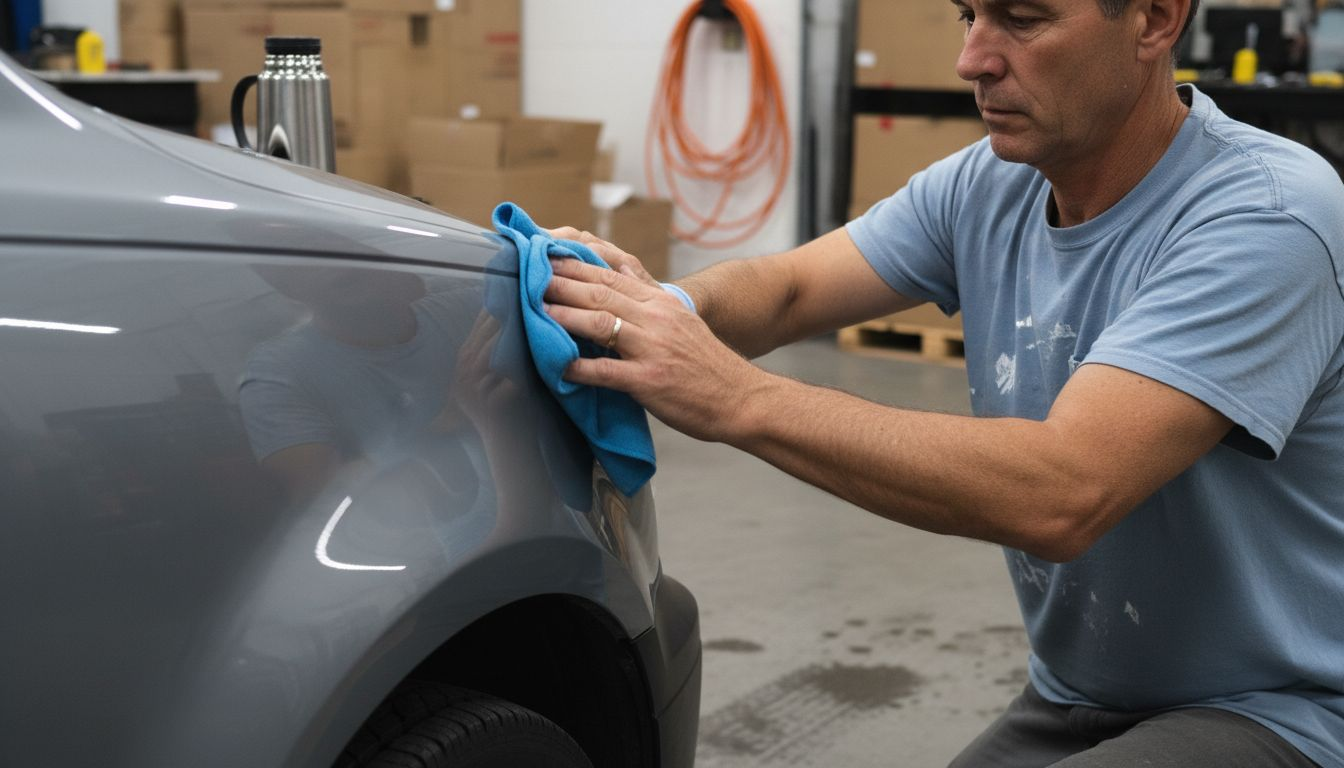
Interior detailing addresses wear patterns that signal vehicle age. Deep cleaning prevents permanent staining of upholstery and carpeting. UV protectants stop dashboard cracking and fading. Leather conditioning maintains seat suppleness and prevents cracking. These interventions keep interiors looking newer longer.
Maintenance detailing preserves 15% more vehicle value compared to vehicles receiving only basic washing. This preservation compounds over time. A vehicle worth $30,000 retains an additional $4,500 in value over three years with regular professional detailing versus minimal maintenance.
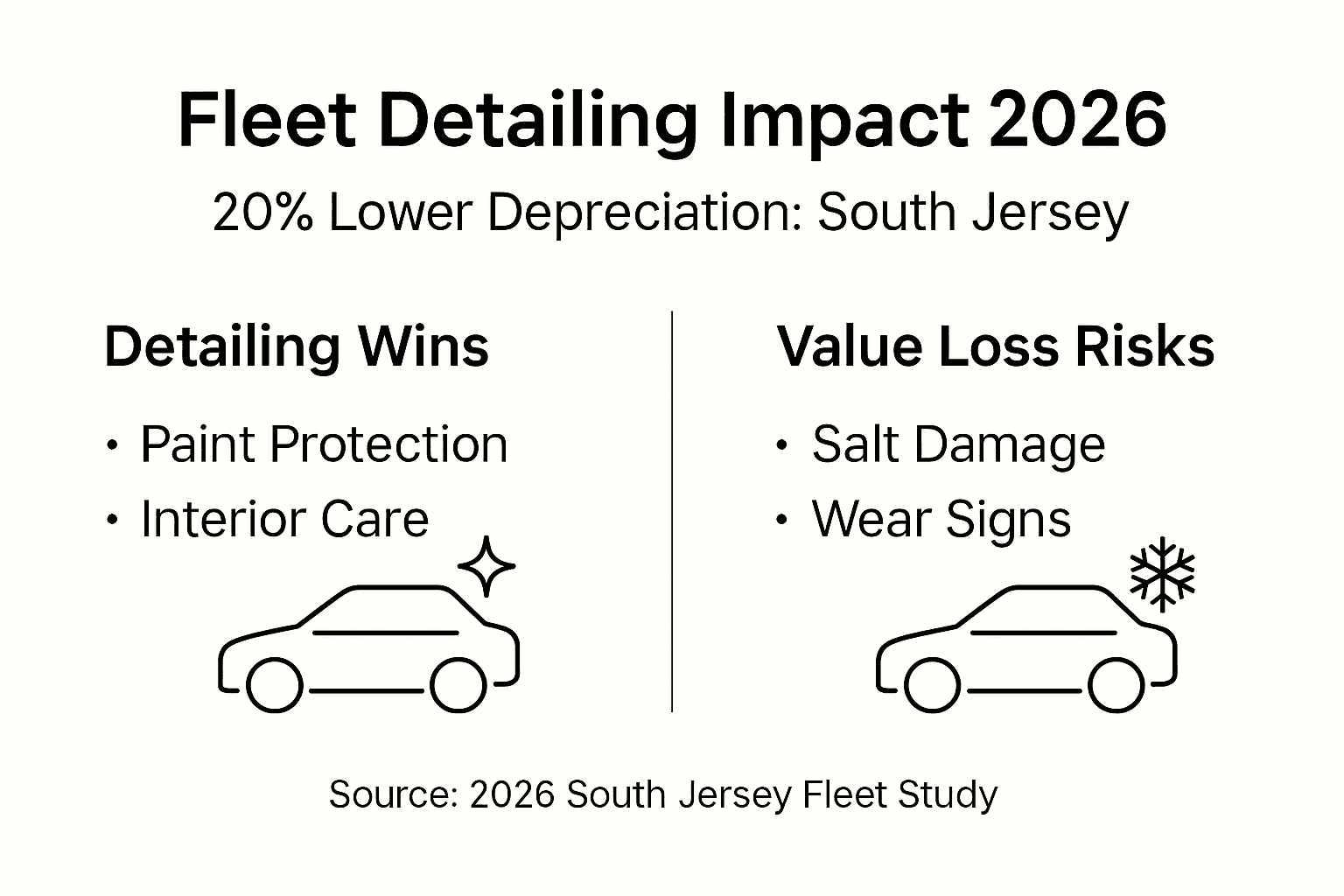
Ceramic coatings represent the premium tier of paint protection. These chemical polymer solutions bond with factory paint at the molecular level, creating a permanent protective layer. The coating resists scratches, repels water and contaminants, and simplifies routine cleaning. For fleets, this means vehicles maintain showroom appearance despite heavy use.
Paint protection films add physical barrier protection to high-impact areas. Front bumpers, hoods, and mirror backs receive transparent urethane film that absorbs stone chips and minor abrasions. The film takes damage that would otherwise mar paint permanently. When the film eventually wears, you replace it rather than repainting panels.
Professional detailing creates a compounding protection effect. Each service removes contaminants before they cause permanent damage, while protective treatments shield against future exposure. This proactive approach costs less than reactive repairs while maintaining higher vehicle values.
Why auto detailing boosts value becomes clear when comparing trade-in offers. Dealers assess vehicle condition heavily in pricing decisions. Well-maintained exteriors and pristine interiors command premium offers. The investment in regular detailing returns multiples when selling or trading fleet vehicles.
Tailored Detailing Services and Packages for Business Fleets
Mobile eco-friendly detailing uses waterless or low-water techniques that reduce environmental impact. These methods employ specially formulated solutions that encapsulate dirt particles, allowing safe removal without traditional water washing. For fleets, this means service flexibility in locations without water access and reduced environmental footprint.
Ceramic coatings provide up to 10 years of paint protection in coastal areas like South Jersey. This longevity makes ceramic coating cost effective for fleet applications. The initial investment amortizes over years of protection, eliminating frequent reapplication of traditional waxes or sealants.
Paint protection films excel in high-impact scenarios. Delivery vehicles navigating tight urban spaces benefit from bumper and door edge protection. Service trucks operating in construction environments need hood and fender shielding. The film’s self-healing properties mean minor scratches disappear with heat exposure, maintaining appearance without intervention.
Scheduling flexibility distinguishes mobile detailing. Services occur:
- During overnight hours when vehicles sit idle
- At your facility, eliminating transport logistics
- On rotating schedules that maintain coverage without pulling entire fleets offline
- With advance booking that integrates with maintenance calendars
Pro Tip: Match detailing intensity to vehicle usage patterns. High-visibility client-facing vehicles warrant premium ceramic coating and quarterly full detailing. Back-office fleet vehicles perform well with semi-annual maintenance detailing and basic protection. This tiered approach optimizes budget allocation while maintaining overall fleet appearance.
Seven key types of fleet detailing for managers range from basic maintenance washes to comprehensive restoration services. Understanding these tiers helps you specify appropriate service levels for different vehicle roles. How to implement mobile detailing provides frameworks for integrating services into existing fleet management systems.
Common Misconceptions About Fleet Detailing
Paint protection films and regular detailing serve complementary functions. Films provide physical barrier protection against impacts and abrasions. Detailing maintains the film itself while protecting unfilmed surfaces. Films still accumulate contaminants that require professional cleaning. Thinking film installation eliminates detailing needs leaves vehicles vulnerable to preventable damage.
Detailing delivers functional protection beyond cosmetic improvement. Paint sealants prevent oxidation that weakens clear coat integrity. Interior treatments inhibit mold growth that causes health issues and odors. Undercarriage cleaning removes corrosive salt deposits. These protective functions extend vehicle mechanical lifespan and maintain safe operating conditions.
Common misbeliefs include:
- Frequent washing equals professional detailing: Basic washing removes surface dirt but misses bonded contaminants, interior wear, and protective treatment application.
- New vehicles don’t need detailing: Factory protection degrades immediately upon delivery; early detailing establishes protective baselines.
- Detailing only matters for appearance: Protection against corrosion, UV damage, and interior deterioration delivers measurable financial benefits.
- DIY approaches match professional results: Professional equipment, commercial-grade products, and trained technique deliver superior outcomes.
- Detailing can wait until vehicles look dirty: Waiting allows permanent damage; proactive scheduling prevents rather than repairs.
Fleet managers sometimes view detailing as discretionary expense rather than maintenance investment. This perspective overlooks depreciation costs. A $40,000 vehicle losing an extra 10% value due to poor maintenance costs $4,000 at trade-in. Regular detailing costing $1,200 over three years delivers 3:1 return on investment through preserved value alone.
Scheduling and Operational Strategies for Effective Fleet Detailing
Quarterly detailing aligns naturally with seasonal changes and their associated environmental challenges. Spring detailing removes winter salt and grime. Summer service protects against UV intensity and pollen. Fall preparation addresses leaf stains and mold. Winter detailing maintains protection against harsh conditions. This rhythm creates predictable scheduling that integrates with maintenance calendars.
Mobile on-site detailing transforms operational logistics. Traditional shop detailing requires:
- Driver time transporting vehicles
- Coordination of vehicle availability
- Potential delays if shops run behind schedule
- Risk of service inconsistency across multiple providers
On-site services eliminate these complications. Technicians arrive at your facility with complete equipment and supplies. Work proceeds on your timeline without removing vehicles from service availability. Multiple vehicles receive attention in single visits, creating efficiency.
Downtime represents hidden costs in fleet management. Every hour a vehicle sits unavailable for service calls or deliveries represents lost revenue opportunity. Mobile detailing minimizes this impact by working around operational schedules. Evening or weekend service keeps vehicles available during peak business hours.
Pro Tip: Establish standing appointments with your detailing provider. Quarterly pre-scheduled service dates eliminate last-minute coordination while ensuring consistent protection. Share your maintenance calendar so detailing coincides with other scheduled service, maximizing efficiency when vehicles are already offline.
Implementing mobile detailing requires clear communication between fleet management and service providers. Specify vehicle priorities, service level requirements, and scheduling constraints upfront. Fleet detailing strategies vary by industry and vehicle usage patterns. Consultation with experienced providers helps tailor approaches to your specific operational needs.
Cost-Benefit Framework: Mobile Detailing vs Traditional Maintenance
Mobile detailing reduces operational disruption by bringing services to your location. Eco-friendly waterless methods enable service anywhere without facility requirements. This flexibility allows detailing during natural downtime rather than forcing vehicles offline during productive hours.
Traditional shop detailing offers comprehensive facility resources. Lifts enable undercarriage access for thorough cleaning and inspection. Climate-controlled bays optimize product application. However, these advantages come with logistical complications and scheduling inflexibility that impact fleet operations.
| Factor | Mobile Detailing | Traditional Shop Detailing |
|---|---|---|
| Vehicle Downtime | Minimal; service during off-hours | Significant; requires scheduling and transport |
| Scheduling Flexibility | High; works around your operations | Limited; constrained by shop hours and availability |
| Environmental Impact | Low; waterless or low-water methods | Higher; traditional water usage and facility demands |
| Service Consistency | Dedicated technician familiarity with your fleet | Variable; different technicians per visit |
| Cost per Vehicle | Moderate; efficiency from bulk scheduling | Higher; individual appointment overhead |
| Long-term Asset Value | Excellent; regular protection prevents depreciation | Good; less frequent service may miss damage windows |
When choosing between approaches, consider:
- Fleet size and geographic distribution of vehicles
- Operational constraints and scheduling flexibility
- Environmental priorities and facility capabilities
- Relationship value and service consistency importance
- Long-term asset management strategy and turnover timing
- Budget allocation between reactive repairs and proactive maintenance
Fleet cleaning versus individual detailing involves different service structures and pricing models. Fleet contracts typically offer volume discounts while ensuring consistent attention across all vehicles. Individual scheduling provides maximum flexibility but requires more management overhead.
Conclusion: Maximizing Fleet Value Through Professional Mobile Detailing
Professional mobile detailing delivers measurable financial returns through preserved asset values and reduced operational disruption. South Jersey’s environmental challenges make protective vehicle care essential rather than optional. Regular detailing prevents the accelerated depreciation that coastal conditions and winter treatments cause.
Strategic scheduling aligned with quarterly maintenance cycles creates sustainable protection without impacting daily operations. Mobile services eliminate the logistical complications that make traditional shop detailing impractical for active fleets. This convenience removes barriers to consistent care.
Ceramic coatings, paint protection films, and eco-friendly cleaning methods provide layered defense against environmental damage. These treatments work together, creating comprehensive protection that maintains vehicle appearance and function over extended service lives. The investment returns multiples through higher resale values and extended replacement cycles.
Fleet managers who integrate professional detailing into asset management strategies report improved vehicle longevity and lower total ownership costs. The key lies in treating detailing as preventive maintenance rather than cosmetic service. Proactive protection costs less than reactive repairs while delivering superior outcomes.
Leveraging specialized local South Jersey providers ensures services address regional environmental challenges. Providers familiar with coastal salt exposure, road treatment chemicals, and local climate conditions tailor protection strategies accordingly. This regional expertise maximizes treatment effectiveness and protection duration.
Explore Expert Mobile Detailing Services for Your Fleet
Your fleet represents significant investment deserving professional protection. CDC Auto Detailing specializes in customizable mobile detailing packages designed specifically for South Jersey business fleets. Services range from quarterly maintenance detailing to premium ceramic coating applications that deliver years of protection.
Flexible scheduling eliminates the operational disruptions that traditional detailing creates. Evening and weekend appointments keep vehicles available during business hours. Eco-friendly waterless methods enable service at any location without facility requirements. Volume fleet pricing delivers cost efficiency while maintaining service quality across all vehicles.
Protecting fleet asset value requires expertise in both detailing techniques and regional environmental challenges. Implementing mobile detailing starts with consultation to assess your specific needs and operational constraints. Understanding fleet detailing types helps identify appropriate service levels for different vehicle roles. Ceramic coatings for fleets provide premium protection that pays dividends through extended vehicle lifespan and maintained appearance.
Frequently Asked Questions
How often should business fleets schedule detailing services?
Quarterly detailing provides optimal protection for most fleet applications, aligning with seasonal environmental changes. High-visibility client-facing vehicles may warrant monthly maintenance detailing, while back-office vehicles perform well with semi-annual service. Usage intensity, environmental exposure, and vehicle role determine ideal frequency.
Can paint protection films fully replace professional detailing?
Paint protection films provide physical barrier protection but require regular detailing for maintenance. Films accumulate contaminants that dull appearance and reduce protective effectiveness. Detailing also addresses unfilmed surfaces, interiors, and applies additional protective treatments. Films and detailing work together rather than substituting for each other.
What are the environmental benefits of mobile eco-friendly detailing?
Waterless and low-water detailing methods dramatically reduce water consumption compared to traditional washing. Biodegradable cleaning solutions minimize chemical runoff and environmental contamination. Mobile services eliminate vehicle transportation emissions associated with shop visits. These methods deliver professional results while reducing environmental footprint.
How does mobile detailing reduce fleet operational downtime?
Mobile detailing occurs at your location during off-peak hours or overnight when vehicles sit idle. This eliminates transport time to shops and waiting for service appointments. Technicians work around your schedule rather than forcing vehicles offline during productive hours. Multiple vehicles receive service in coordinated visits, maximizing efficiency.
What should fleet managers look for when choosing a detailing provider?
Prioritize providers with commercial fleet experience who understand operational constraints and scheduling needs. Verify insurance coverage and service guarantees protecting your assets. Assess product quality and technique expertise, particularly with protective coatings. Regional familiarity with South Jersey environmental challenges ensures appropriate treatment selection. Flexible scheduling and clear communication protocols streamline ongoing service coordination.