
TL;DR:
- Proper car cleaning requires specific supplies, products, and techniques to prevent damage.
- Hand washing in shade and using the two-bucket method ensures a swirl-free, thorough clean.
- Regular maintenance and professional techniques help keep cars protected against environmental damage.
Most car owners in South Jersey scrub their vehicles with the wrong tools, skip critical steps, and end up with swirl marks that weren’t there before they started. That’s a frustrating way to spend a Saturday morning. The good news is that professional-level results don’t require a garage full of equipment or years of training. What they require is the right sequence, the right products, and a few techniques that most people simply never learn. This guide walks you through every step, from gathering supplies to finishing touches, so your car comes out looking cleaner than it went in.
Table of Contents
- What you need to clean your vehicle the right way
- exterior cleaning: step-by-step for a swirl-free shine
- Interior cleaning: effective steps for every surface
- tough spots: wheels, windows, and finishing details
- maintaining your results: routine tips and mistakes to avoid
- Why professional detailers clean differently—and what it means for you
- Want a professional-level clean? Try South Jersey’s trusted detailers
- frequently asked questions
Key Takeaways
| Point | Details |
|---|---|
| Right tools matter | Automotive-specific products prevent damage and deliver the best clean for your car. |
| Two-bucket method wins | Using the two-bucket method is the safest, most effective way to wash your vehicle without scratches. |
| Drying avoids water spots | Blot with microfiber towels or use a leaf blower—never let your car air dry. |
| Routine is key | Clean your vehicle regularly and avoid shortcut mistakes to keep it looking new year-round. |
What you need to clean your vehicle the right way
Let’s start by making sure you have everything you need before putting soap and water to paint. Walking outside with a single bucket and a sponge is how finishes get ruined. Here’s what a proper setup looks like.
Essential supplies:
- Two buckets (one for soapy water, one for rinsing)
- A grit guard insert for each bucket
- Two microfiber wash mitts
- Large microfiber drying towels
- A dedicated wheel brush and lug brush
- pH-neutral automotive car wash soap
- Glass cleaner (ammonia-free)
- Interior surface spray
- A leather or vinyl conditioner
- A detailing spray for quick touch-ups
Consumer Reports confirms that automotive-specific products protect finishes far better than products pulled from under the kitchen sink. That matters a lot when South Jersey summers bring road tar, pollen, and humidity that all attack your clear coat at once.
Here’s a quick breakdown of why product choice matters:
| Product Type | Safe for Paint? | Notes** ** |
|---|---|---|
| pH-neutral car wash soap | Yes | Best everyday option; strips no wax or sealant protective layers |
| Dawn dish soap | No | Too alkaline; removes wax and dries out rubber seals |
| All-purpose household cleaner | No | Can dull finish and cause micro-scratches over time |
| Best car wash soaps (tested) | Yes | Look for low-sudsing, lubricating formulas |
For glass and interiors, you’ll need specific products too. Generic window sprays with ammonia can fog tinted windows and ruin dashboard plastics over time. Learning exterior detailing best practices before you start means fewer costly surprises later.
Pro tip: Skip the chamois or bath towel for drying. Instead, use a leaf blower or a dedicated detailing best practices technique with a high-pile drying towel. Air drying with a blower removes water from door jambs and mirrors without touching the paint at all.
exterior cleaning: step-by-step for a swirl-free shine
Once your supplies are ready, it’s time to tackle the exterior for the best possible shine. The order you clean in matters as much as the products you use.
- Pre-rinse the entire car with a hose or pressure washer to remove loose dirt before touching the surface.
- Clean the wheels first using a dedicated wheel brush. Never use your wash mitt on wheels. Metal particles from brake dust transfer to your mitt and then scratch your paint.
- Fill your two buckets: one with water and car wash soap, one with clean rinse water.
- Work panel by panel, starting from the roof and moving downward. Use straight-line motions, not circles, to reduce swirl marks.
- After washing each section, rinse your mitt in the clean water bucket before re-loading it with soapy water. That’s the two-bucket method.
- Final rinse: flood the car with water from a hose held close to the surface so water sheets off rather than beads.
- Pat dry immediately with a large microfiber towel.
Warning: The two-bucket method exists specifically to prevent scratches. If you skip it and dip a dirty mitt back into your soapy water, you’re dragging grit across your clear coat with every stroke.
Temperature matters too. Hand washing in shade keeps soap from drying prematurely and leaving residue on the paint, which causes streaks that are harder to remove than dirt. In South Jersey summers, a car sitting in direct sun can reach surface temperatures that make soap bake on within seconds.
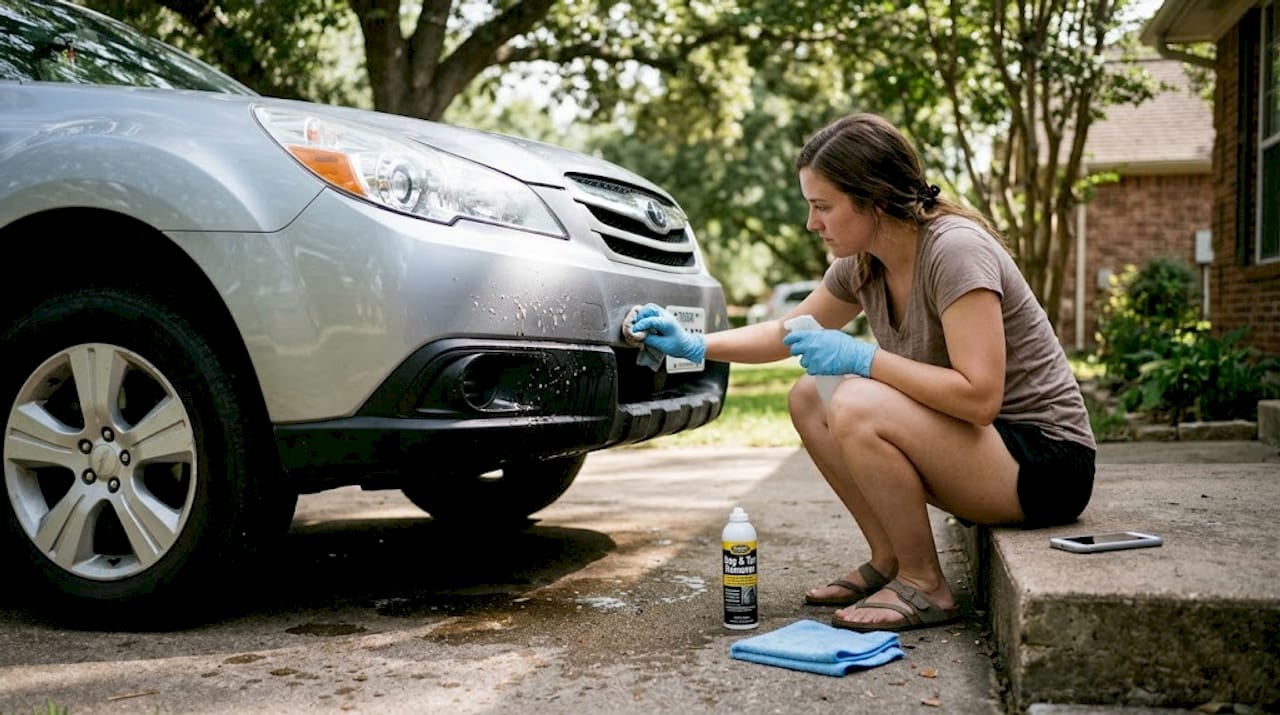
For stubborn bug splatter or tree sap, apply a dedicated bug and tar remover and let it dwell for 30 to 60 seconds before gently wiping. Never scrub. And always check our exterior care tips to stay current on method refinements.
Pro tip: Never drag a towel across wet paint. Always blot and press. The friction from dragging, even a clean microfiber, can leave light marks on freshly washed paint.
Interior cleaning: effective steps for every surface
With your exterior gleaming, shift your focus to where you and your passengers spend time: the interior. Most people vacuum and call it done. That’s not detailing. Here’s the correct order.
- Remove all trash and personal items so no surface is blocked.
- Pull out the floor mats and beat or shake them outside before vacuuming.
- Clean under mats and seats thoroughly. Light carpet cleaning prevents mold from developing in South Jersey’s humid months.
- Address stains before general cleaning. Use a foam upholstery cleaner or a dedicated fabric spray, let it sit briefly, then blot with a clean towel.
- Clean the dashboard, center console, and door panels with an interior spray and a microfiber cloth. Work from top to bottom.
- Clean windows from the inside with an ammonia-free glass cleaner. Use two cloths: one to apply, one to buff dry.
- Clean and condition leather or vinyl seats last, after all dry debris is gone.
Products to avoid inside your vehicle:
- All-purpose kitchen sprays (contain degreasers that crack vinyl)
- Paper towels (scratch screens and leather)
- Baby wipes with fragrance additives (leave residue)
- Window cleaner with ammonia (damages tinting film and screens)
For a complete walkthrough, our car interior cleaning steps guide breaks each surface down in more detail. You can also follow our step-by-step interior cleaning process or use our printable interior detailing checklist to track your progress as you go.
tough spots: wheels, windows, and finishing details
To get that truly detailed look, you’ll need to handle a few tricky areas separately. These are the spots that separate a genuinely clean car from one that just looks clean at a distance.
For wheels and brake areas:
- Use a separate wheel brush, never the same one used on paint
- Apply a pH-balanced wheel cleaner and let it dwell for 60 seconds before agitating
- Use a lug brush for tight spaces between spokes
- Use separate tools for wheels to prevent brake dust from contaminating your paint tools
Brake dust is iron-based and incredibly abrasive. If your wheel brush contacts your paint panels, you’re grinding that dust into the clear coat. Many car owners damage their paint this way without ever realizing it.
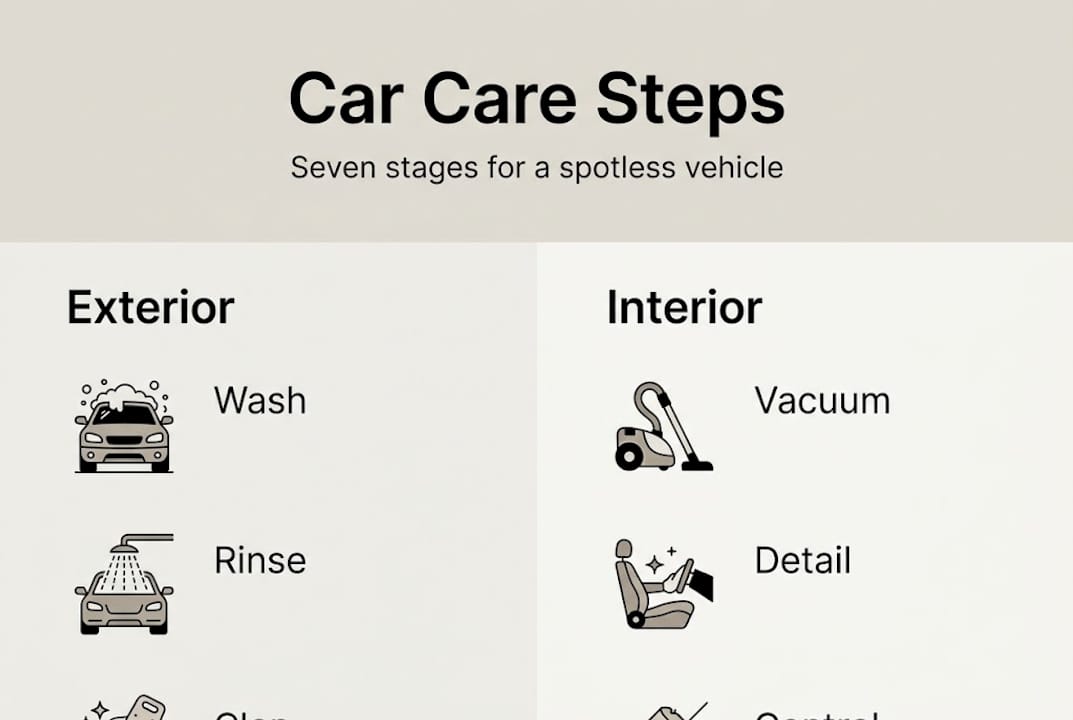
For windows and glass, here’s a quick comparison of cleaner options:
| Glass cleaner type | Safe for tint? | Safe for screens? | Performance rating** ** |
|---|---|---|---|
| ammonia-free solutions | Yes | No (spray) | Very good |
| DIY vinegar solution | Yes | No (spray) | Fair |
| Standard ammonia cleaner | No | No | Poor for tint |
| Screen-specific dry cloth | N/A | Yes | Best for displays |
Visit our auto detailing service examples page to see what a professionally finished vehicle looks like in every area.
Pro tip: Never spray glass cleaner directly onto touchscreens or infotainment displays. Instead, spray your microfiber cloth first, then gently wipe the screen. Better yet, use a dry microfiber cloth for screens and save the spray for actual glass.
maintaining your results: routine tips and mistakes to avoid
Now that your car looks showroom-new, here’s how to keep it that way and mistakes that often quickly cancel out your hard work.
In South Jersey, the environment works against you year-round. Spring brings tree pollen that coats paint in a yellow film. Summer adds road tar and UV damage. Fall brings leaves and wet debris. Winter tosses road salt onto every surface underneath your vehicle. That’s why washing every one to two weeks matters more here than in drier climates.
Common mistakes that cause damage or wasted effort:
- Using a dirty or rough cloth for quick wipe-downs
- Over-applying wax (more isn’t better; thin even coats work best)
- Air-drying instead of actively drying (water spots form within minutes)
- Using one bucket for washing (recontaminates your wash mitt constantly)
- Using household cleaners on paint, trim, or interior surfaces
- Never cleaning door jambs or sills (these areas collect the most grit)
Our South Jersey cleaning guide addresses season-by-season concerns in more detail. And if you’re getting ready for a full service, review how to prep your car for detailing so professionals can get straight to work.
Pro tip: After every wash, run a clean microfiber cloth over your wheels, door handles, and mirrors. That small habit takes three minutes and dramatically slows down grime buildup between sessions.
Why professional detailers clean differently—and what it means for you
Having spent years mastering pro-level techniques, let’s pull back the curtain on what sets a true detailing job apart. The biggest myth in car care is that better products produce better results. They don’t. Better process does.
Professional detailers obsess over lighting. They inspect panels under direct LED lighting to catch swirl marks and residue that normal lighting hides completely. They replace pads and mitts constantly, not because they’re wasteful, but because a slightly contaminated mitt is a scratch waiting to happen.
What high-end car wash chains often miss: they prioritize speed. A conveyor belt simply cannot replicate the attention of someone hand-cleaning each panel individually. Even touchless washes use high-pressure chemicals strong enough to strip fresh wax.
The truth is, DIY detailing wins on care, and professionals win on equipment and experience. When you follow the steps in this guide, you’re closer to the professional result than most people realize. But for paint correction, ceramic coating application, or deep interior restoration, exploring pro detailing services is genuinely worth it. Not because DIY fails, but because some results require tools that aren’t practical to own.
Want a professional-level clean? Try South Jersey’s trusted detailers
If you want results even pros would envy but don’t have the time, here’s where to start.
At CDC Auto detailing, we bring the detail bay to your driveway across South Jersey. Whether you want a single deep clean or long-term protection with ceramic coating services, our mobile team handles it all without you leaving home.

Not sure what service fits your vehicle best? Browse our auto detailing service examples to compare options, or learn how auto detailing works from start to finish. South Jersey drivers trust us because we use the same techniques outlined in this guide, every single time, without cutting corners.
frequently asked questions
how often should I wash and detail my car in South Jersey’s climate?
Environmental factors like pollen, salt, and humidity mean washing every one to two weeks and full detailing every two to three months keeps your car protected year-round in South Jersey.
Can I use dish soap or household cleaners on my car?
No. automotive-specific products avoid stripping wax and damaging modern clear coat finishes, which dish soap and household cleaners routinely do.
Is hand washing really better than automatic car washes?
Hand washing is superior for protecting finishes and removing embedded grime, though a touchless automatic is an acceptable maintenance option between proper washes.
What’s the safest way to clean touchscreens and digital displays?
Use only a dry microfiber cloth on screens. Never spray any liquid directly onto a touchscreen, as it can seep into edges and damage the coating beneath.
Should I wash my car in direct sun?
No. washing in shade or when the car is cool prevents water spots and soap from drying on the paint before you can rinse it off.
Recommended
- 7-Step Interior Detailing Checklist for Spotless Car Care
- Interior cleaning step by step: keep your car pristine
- 7 Essential Detailing Best Practices for Clean, Protected Cars
- 7 Essential Exterior Detailing Best Practices for Car Owners
- 7 Smart Car Cleaning Hacks Every Budget Buyer Should Know | ReVroom