
TL;DR:
- Window tinting blocks up to 99% of UV rays, protecting skin and prolonging interior lifespan. It also reduces interior heat, glare, and theft risk while improving driving comfort and privacy. Professional installation ensures legal compliance and long-term vehicle value.
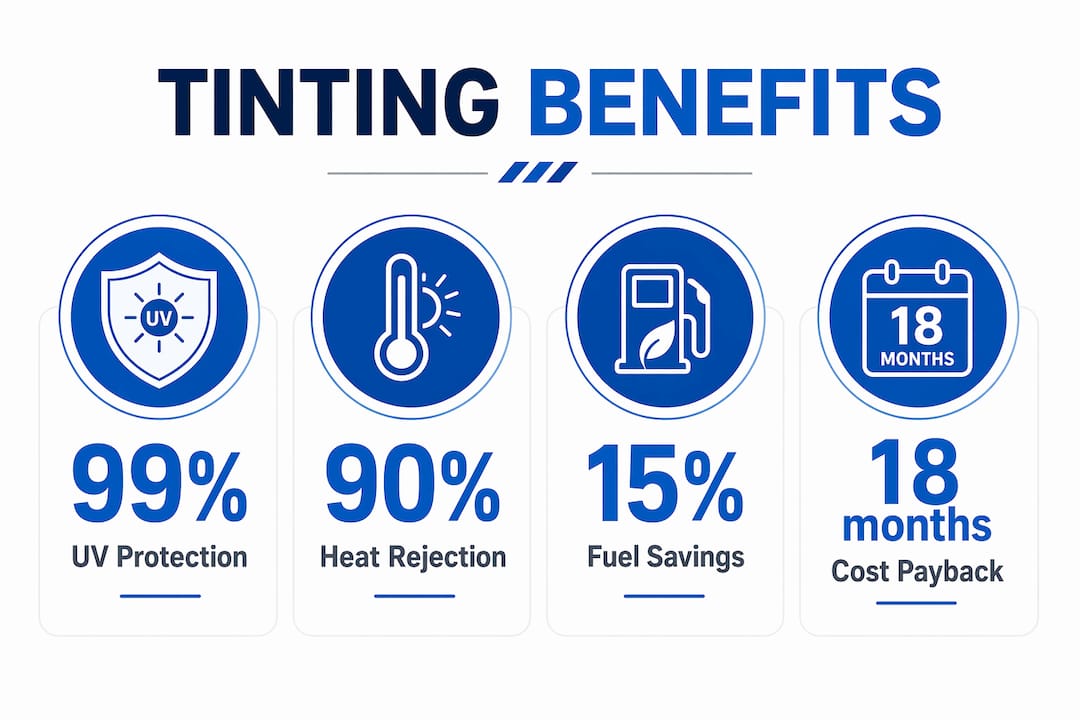
Window tinting is defined as the application of a thin polyester film to a vehicle’s glass surfaces to block solar radiation, reduce heat, and limit interior visibility. The benefit of tinting car windows goes well beyond aesthetics. Modern automotive films block up to 99% of UVA and UVB radiation, protect your skin, preserve your interior, and keep your cabin noticeably cooler. For car owners in South Jersey and across the country, tinting is one of the highest-return upgrades available for any vehicle.
What is the benefit of tinting car windows for UV protection?
UV radiation is the single biggest threat to both your skin and your car’s interior. UVA rays penetrate glass and cause photoaging and long-term skin damage. UVB rays are largely blocked by standard glass, but UVA passes through untreated windows at full strength during every drive.
Premium window films block up to 99% of UV rays, cutting UV-related photodamage by 93%. That number matters because the American Cancer Society links cumulative UV exposure to melanoma, and drivers accumulate significant left-side sun exposure over years of daily commuting.
The interior of your car suffers the same damage. Dashboards crack, leather seats fade, and trim panels warp under constant UV bombardment. Quality tint film extends interior material lifespan by 20–30%, which directly protects your vehicle’s resale value.
What UV protection looks like in practice
- Skin: Reduced UVA exposure during commutes lowers cumulative cancer risk and slows photoaging on the left arm and face.
- Dashboard: Vinyl and plastic surfaces stay flexible and crack-free years longer than in untinted vehicles.
- Leather seats: Color retention improves significantly, reducing the need for conditioning treatments and reupholstering.
- Trim panels: Door panels and center consoles resist warping and discoloration under direct sun.
Pro Tip: Choose a film rated for UV rejection specifically, not just visible light transmission (VLT). A light-colored film with a high UV rejection rating protects better than a dark film with no UV spec.
How does tinting improve temperature control and driving comfort?
Heat inside a parked or moving car comes primarily from infrared (IR) solar energy, not visible light. Standard glass does almost nothing to block IR radiation. That is why a car parked in direct sun can reach interior temperatures well above the outside air temperature within minutes.
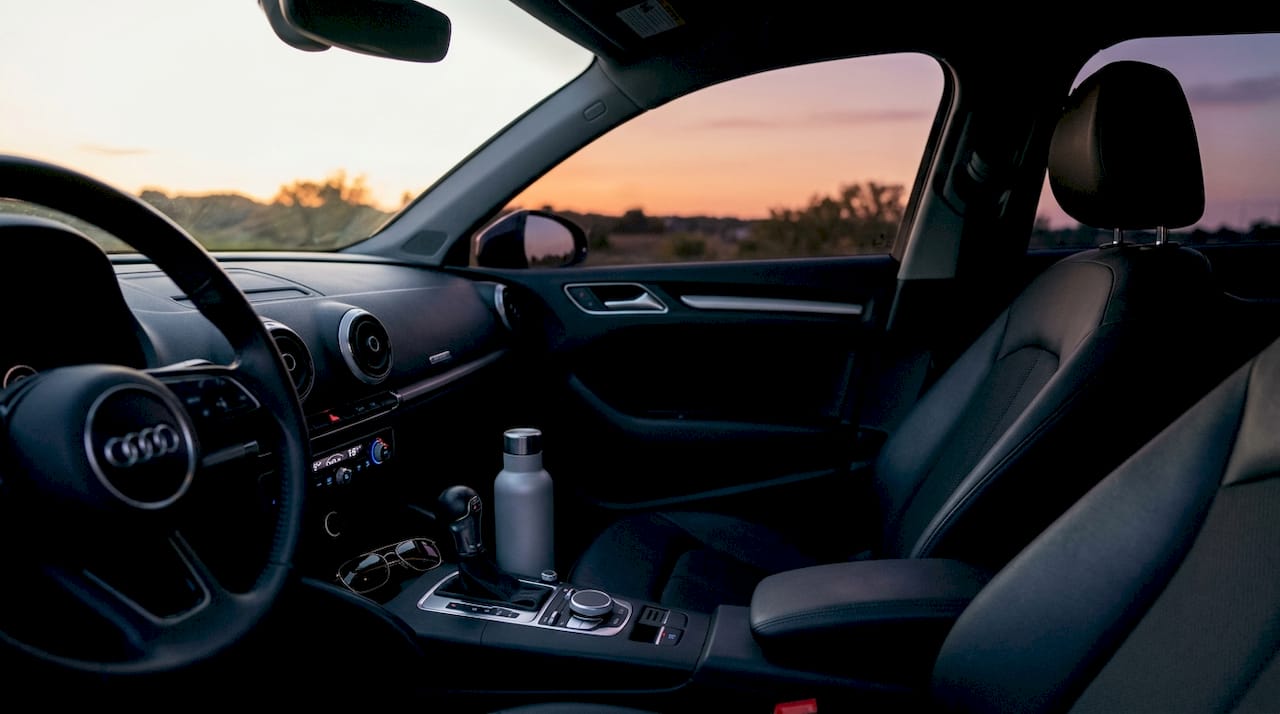
Ceramic films reject between 50% and 90% of total solar heat energy. That level of IR rejection translates directly into a cabin that is 10–20°F cooler in direct sunlight. A cooler cabin means your air conditioning reaches the target temperature faster and runs less often.
Tinting cuts air conditioning use by 10–15%, producing real fuel savings during summer months. Over a full driving season, that reduction adds up. Your engine also runs under less strain when the AC compressor cycles less frequently.
Glare is the other comfort factor most drivers underestimate. Tinted windows reduce glare from direct sun and oncoming headlights, which decreases eye strain and improves focus during dawn, dusk, and night driving. Squinting is not just uncomfortable. It delays reaction time.
Pro Tip: When comparing films, ask for the IR rejection percentage, not just the VLT percentage. A lightly tinted ceramic film can reject far more heat than a dark conventional film. Darkness and cooling performance are not the same thing.
For car owners weighing ceramic tint versus carbon tint, ceramic consistently wins on heat rejection without sacrificing visibility.
How does window tinting enhance privacy and security?
Privacy is one of the most immediate and visible advantages of car window tinting. Tinted windows reduce interior visibility by 40–70%, depending on the film’s VLT rating. That reduction makes it significantly harder for strangers to see valuables, passengers, or personal items left inside the vehicle.
The deterrent effect on theft is real. Opportunistic break-ins happen when a thief can see something worth taking. When the interior is obscured, the risk-reward calculation changes. Tinted windows do not eliminate theft risk, but they remove the visual trigger that causes most smash-and-grab incidents.
“Window tint film acts as a mechanical binder in accidents, holding shattered glass fragments together and reducing injury risk from flying glass.” — Helios Detail
That safety function is underappreciated. In a collision, untreated glass shatters into sharp fragments. Tint film holds those fragments in place, reducing laceration risk for everyone in the vehicle. The same binding property makes forced entry harder for thieves, because the film adds resistance to the glass even after it cracks.
From a financial standpoint, professional tinting pays for itself within 18 months when you factor in fuel savings, reduced interior wear, and the avoided cost of a single theft or break-in. That is a strong return for a one-time installation.
What should car owners know about legal and quality considerations?
Tint laws vary by state and even by window position on the vehicle. VLT limits differ for front side windows, rear side windows, and rear windshields. Exceeding the legal limit can result in fines and mandatory film removal, which costs more than getting it right the first time.
Here is what to verify before installation:
- Check your state’s VLT limits for each window position. New Jersey, for example, sets specific minimums for front side windows that differ from rear windows.
- Confirm the film’s VLT rating matches or exceeds your state’s legal minimum. The installer should provide documentation.
- Ask about IR rejection percentage separately from VLT. These are two different specs, and both matter.
- Avoid DIY installation unless you have professional tools and a dust-free environment. Bubbling, peeling, and misaligned edges are the most common DIY failures.
- Request a warranty on both the film and the installation. Quality professional installs carry multi-year coverage.
Professional installation requires specialized tools and a controlled environment to achieve clean edges and durable adhesion. A factory-style finish is not achievable in a driveway with a squeegee and a heat gun. The film must be cut precisely, applied without dust contamination, and cured correctly.
Pro Tip: Ask your installer to show you the film’s spec sheet before installation. A reputable shop will have the manufacturer’s data on UV rejection, IR rejection, and VLT readily available.
For a full breakdown of what the law requires in your area, the 2025 tinting laws guide from Cdcautodetailing covers state-by-state requirements in plain language.
What aesthetic and long-term value benefits does tinting offer?
Tinted windows give a vehicle a cleaner, more finished appearance. The uniform look across all glass surfaces reads as intentional and polished, which is why tinting is standard on most luxury vehicles from the factory. For car owners who care about presentation, tinting is one of the most cost-effective appearance upgrades available.
The long-term value case is equally strong. Interior materials that stay protected from UV and heat age more slowly. Seats, dashboards, and door panels in tinted vehicles consistently show less wear than those in untinted vehicles of the same age and mileage. That condition difference shows up directly in resale value.
| Factor | Untinted vehicle | Tinted vehicle |
|---|---|---|
| Interior UV damage | High over 3–5 years | Minimal with quality film |
| Cabin temperature | Peaks significantly in summer | 10–20°F cooler in direct sun |
| AC fuel cost | Higher during hot months | Reduced by 10–15% |
| Interior lifespan | Standard | Extended by 20–30% |
| Resale appeal | Average | Higher due to preserved interior |
The cost of a professional tint job is a one-time expense. The protection it delivers compounds over the life of the vehicle. When you compare the cost of reupholstering faded leather seats or replacing a cracked dashboard against the cost of a quality tint installation, the math strongly favors tinting early.
For car owners who want to understand the full range of window tinting advantages, the benefits stack across comfort, safety, appearance, and finances simultaneously.
Key Takeaways
Window tinting delivers measurable protection against UV radiation, heat, glare, and theft while extending interior lifespan and improving resale value.
| Point | Details |
|---|---|
| UV protection is primary | Quality films block up to 99% of UVA and UVB rays, protecting skin and interior materials. |
| Ceramic films outperform on heat | IR rejection of 50–90% keeps cabins 10–20°F cooler than untinted vehicles. |
| Privacy deters theft | Reducing interior visibility by 40–70% removes the visual trigger for opportunistic break-ins. |
| Legal compliance is non-negotiable | VLT limits vary by state and window position; exceeding them results in fines and forced removal. |
| Professional install protects your investment | Factory-quality adhesion and clean edges require specialized tools and a controlled environment. |
Why I think most car owners underestimate window tinting
Most drivers think about tinting as a style choice. They pick a darkness level based on how it looks and move on. That is the wrong way to approach it, and it leads to real money left on the table.
The single most important spec on any tint film is IR rejection, not VLT. I have seen vehicles with very dark tints that still get brutally hot inside because the film had no meaningful IR rejection. I have also seen lightly tinted ceramic films that kept a cabin noticeably cool on a 95-degree day. Darkness and heat performance are completely separate things. Most car owners do not know this until after they have already paid for the wrong film.
The legal side is the other area where people get burned. Tint laws are not uniform, and installers do not always volunteer information about compliance. A car owner who gets a ticket and has to remove the film has paid twice for the same job. Checking your state’s VLT limits before you walk into a shop takes five minutes and saves real money.
My honest recommendation: prioritize ceramic or IR-rejecting films, verify legal limits for your state before installation, and use a professional shop with documented warranties. Tinting is not a luxury add-on. It is a practical investment in comfort, safety, and vehicle longevity that pays back consistently over time.
— Charles
Cdcautodetailing’s professional window tinting service
Cdcautodetailing, based in Pitman, New Jersey, offers professional mobile window tinting for car owners across South Jersey. The team installs premium films with documented UV and IR rejection specs, handles all cutting and application in a controlled environment, and ensures every job meets New Jersey’s legal VLT requirements.
Whether you want ceramic film for maximum heat rejection or a lighter tint for UV protection with full visibility, Cdcautodetailing matches the right film to your vehicle and your goals. Every installation comes with a warranty on both the film and the workmanship. You can book mobile detailing directly from the website, or explore the full range of auto detailing services available for your vehicle.
FAQ
How much UV does window tint actually block?
Premium window films block up to 99% of UVA and UVB radiation. That level of protection reduces UV-related photodamage by 93% and extends interior material lifespan by 20–30%.
Does a darker tint mean better heat rejection?
No. Heat rejection depends on infrared (IR) rejection technology, not darkness. Ceramic films achieve 50–90% IR rejection while maintaining good visibility, outperforming dark conventional films on cooling performance.
Is car window tinting worth it financially?
Professional tinting pays for itself within 18 months through fuel savings, reduced AC use, and avoided interior repair costs. The one-time installation cost is offset by compounding protection over the vehicle’s life.
What happens if my tint is too dark for my state?
Exceeding your state’s legal VLT limit can result in fines and mandatory film removal. Tint laws vary by state and by window position, so verify local limits before installation.
Can window tint film improve safety in an accident?
Yes. Tint film acts as a mechanical binder that holds shattered glass together after a collision, reducing laceration risk. The same property makes forced entry harder for thieves by adding resistance to cracked glass.