
Your company vehicles travel thousands of miles each year, and customers are 48% more likely to perceive your business as professional when those vehicles are clean and well maintained. Auto detailing goes beyond a simple wash to restore and protect both interior and exterior surfaces, creating a mobile representation of your brand that builds trust at every stop. For South Jersey businesses, where competition is fierce and first impressions matter, vehicle appearance directly impacts customer decisions and long-term loyalty.
Table of Contents
- Introduction To Auto Detailing And Business Image
- How Vehicle Appearance Influences Customer Trust And Brand Perception
- Detailed Comparison Of Detailing Techniques And Their Benefits
- Common Misconceptions About Auto Detailing For Business Vehicles
- Practical Recommendations For Detailing Frequency And Service Selection
- Economic And Operational Benefits Of Regular Auto Detailing
- Discover Premium Mobile Detailing In South Jersey
Key takeaways
| Point | Details |
|---|---|
| Professional image | Clean vehicles build customer trust and enhance brand perception immediately |
| Protective treatments | Ceramic coatings and PPF offer long-term paint protection and value preservation |
| Cost savings | Regular detailing preserves resale value and reduces repair expenses over time |
| Mobile convenience | On-site service reduces downtime by 30% compared to traditional shop visits |
| Strategic investment | Quarterly detailing maintains fleet appearance and operational efficiency |
Introduction to auto detailing and business image
Auto detailing involves thorough cleaning, restoration, and protection of vehicle surfaces inside and out. This process goes far beyond automated car washes to address paint correction, upholstery deep cleaning, and protective coating applications. Interior detailing focuses on sanitizing and conditioning cabin surfaces, while exterior work protects paint and trim from environmental damage.
Your business vehicles serve as rolling billboards that communicate brand values to potential customers. Every time a fleet vehicle parks at a job site or drives through town, it creates an impression. Why local detailing services matter in South Jersey becomes clear when you consider how vehicle condition shapes brand recognition across your service area.
Vehicle appearance impacts several critical business factors:
- First impressions form within seconds of a customer seeing your vehicle
- Clean vehicles signal attention to detail and quality standards
- Well-maintained fleets suggest financial stability and professionalism
- Protective treatments demonstrate long-term thinking and asset management
Choosing local detailing services provides convenience and ensures providers understand regional weather challenges. South Jersey vehicles face salt exposure, humidity, and temperature fluctuations that accelerate wear without proper protection.
How vehicle appearance influences customer trust and brand perception
Psychology research reveals that customers judge businesses with clean vehicles as 48% more professional. This judgment happens subconsciously before any service interaction begins. Your vehicle condition communicates operational standards faster than any marketing message.
Clean vehicles create stronger brand recall because visual presentation reinforces memory formation. When customers see your pristine fleet repeatedly, they associate that care with service quality. This mental connection builds trust over time and influences purchasing decisions when they need your services.
A well-maintained vehicle tells customers you care about details in your work, not just your marketing materials.
Specific visual cues drive these perceptions:
- Spotless paint suggests careful handling and quality equipment
- Clean windows and trim indicate thorough work habits
- Fresh interior spaces show respect for cleanliness standards
- Protected surfaces demonstrate investment in longevity
Business owners often underestimate how quickly customers form opinions based on vehicle presentation. Auto detailing business success depends partly on understanding this psychological reality. When your competitor’s vehicle looks neglected while yours gleams, customers unconsciously assign higher credibility to your operation.
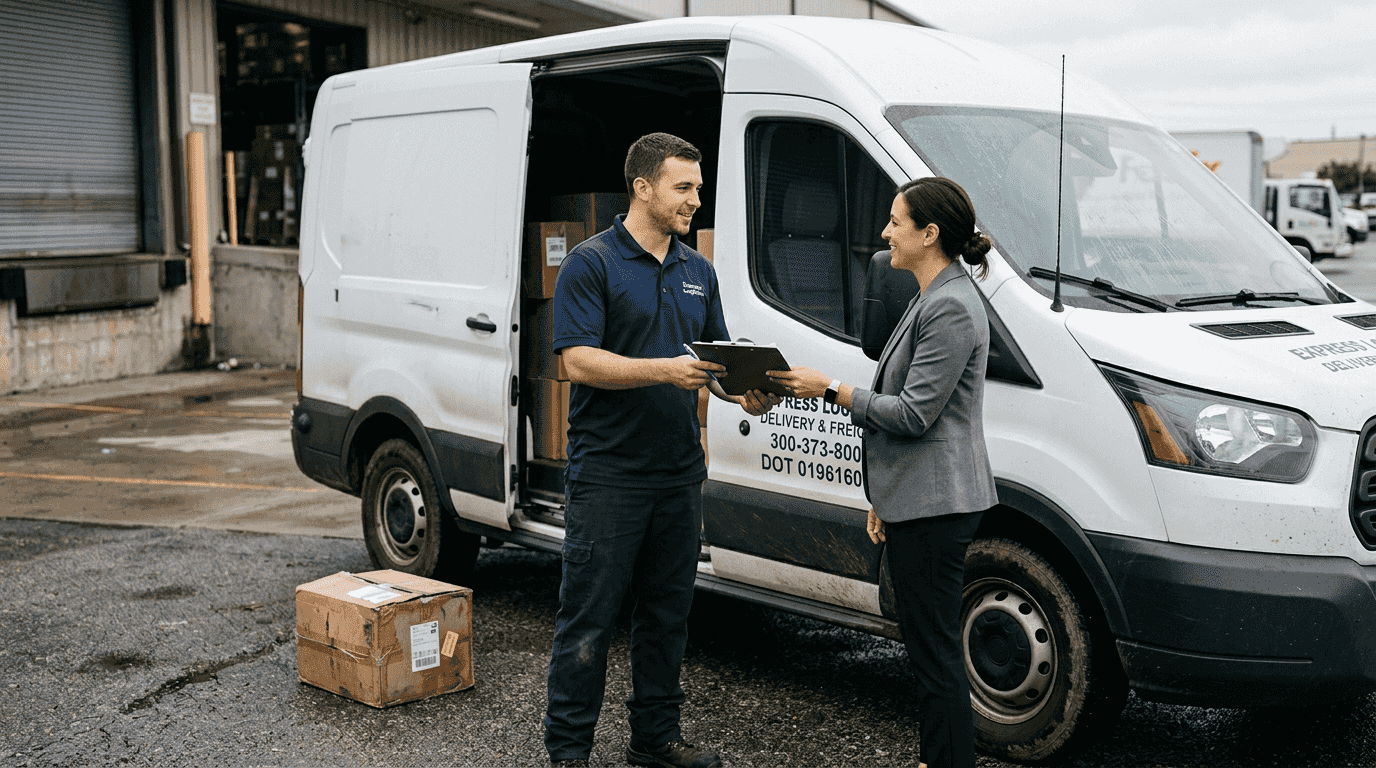
Brand perception extends beyond the immediate customer interaction. Other drivers, pedestrians, and business owners notice your vehicles throughout the day. Each exposure either reinforces professional standards or plants doubt about service quality.
Detailed comparison of detailing techniques and their benefits
Understanding detailing methods helps you select treatments that match your fleet needs and budget. Interior detailing addresses cabin surfaces through vacuuming, steam cleaning, leather conditioning, and odor elimination. Exterior work includes washing, clay bar treatment, paint correction, and protective applications.
Ceramic coatings protect paint up to 5 years with superior UV and chemical resistance. These liquid polymer coatings bond to paint at a molecular level, creating a permanent protective layer. Paint protection film (PPF) offers physical barrier protection against rock chips and scratches, particularly valuable for high-impact areas.
| Treatment | Duration | Protection Level | Maintenance | Best For |
|---|---|---|---|---|
| Waxing | 2-3 months | Basic UV and water | Monthly reapplication | Budget-conscious fleets |
| Ceramic coating | 2-5 years | Advanced chemical and UV | Minimal washing | High-value vehicles |
| Paint protection film | 5-10 years | Physical barrier | Simple cleaning | Front bumpers, hoods |
| Sealant | 4-6 months | Moderate chemical resistance | Quarterly refresh | Mid-range protection |
Advanced coatings prevent environmental damage that accelerates depreciation. UV exposure fades paint over time, while road salt and chemicals etch clear coat. Detailing vehicle lifespan extension happens when protective layers block these damaging elements before they reach paint surfaces.
Pro Tip: Match your protection level to vehicle exposure. Delivery vehicles covering 200+ miles daily benefit most from ceramic coatings, while office vehicles with garage parking may need only quarterly waxing.
Ceramic coatings for fleets provide economy of scale when applied across multiple vehicles. Bulk service scheduling reduces per-vehicle costs while maintaining consistent brand appearance.
Common misconceptions about auto detailing for business vehicles
Many business owners believe quick washes provide adequate vehicle care. This misconception costs money through accelerated depreciation and missed branding opportunities. Professional detailing removes contaminants that washing leaves behind and applies protective treatments that preserve value.
Frequency confusion leads some businesses to over-detail or neglect vehicles entirely. Fleet vehicles with regular detailing have 15% higher resale value than neglected ones. Quarterly professional service balances cost with appearance maintenance for most operations.
Cost concerns often mask the true value equation. Consider detailing an investment rather than an expense:
- Preserved paint adds thousands to resale value
- Protected interiors prevent costly replacement needs
- Reduced repair frequency from preventive care
- Enhanced brand image drives customer acquisition
Some businesses dismiss protective coatings as overpriced add-ons. This view ignores long-term savings from reduced maintenance and extended vehicle life. A $1,200 ceramic coating that lasts five years costs $240 annually, far less than frequent waxing labor.
Fleet detailing types for managers vary based on vehicle use and exposure. Understanding options prevents both overspending on unnecessary services and underinvesting in critical protection.
Another myth suggests mobile detailing sacrifices quality for convenience. Modern mobile operations use professional-grade equipment and products identical to shop services. The location difference provides operational advantages without compromising results.
Practical recommendations for detailing frequency and service selection
Optimal detailing schedules depend on vehicle usage patterns and environmental exposure. Delivery vehicles operating daily need quarterly full detailing with monthly maintenance washes. Office vehicles with limited mileage can extend to semi-annual service without appearance degradation.
Mobile detailing offers significant advantages for busy operations. Services come to your location during downtime, eliminating drive time and coordination hassles. Vehicles remain accessible for emergency calls rather than sitting at a shop.
Follow these steps to establish effective detailing routines:
- Assess each vehicle’s mileage, exposure, and customer visibility
- Schedule quarterly detailing for high-use vehicles during slow periods
- Book mobile services during early morning or late afternoon for minimal disruption
- Document before and after condition to track value preservation
- Review service results quarterly and adjust frequency based on appearance
- Budget 1-2% of vehicle value annually for comprehensive detailing programs
Mobile detailing appointment workflow should integrate with your operational calendar. Schedule services when vehicles naturally return to base rather than pulling them from active duty.
Pro Tip: Prioritize ceramic coatings for vehicles operating in harsh conditions like coastal areas with salt exposure or construction zones with heavy dust. The upfront investment pays back through reduced cleaning frequency and better long-term protection.
Implementing mobile detailing into fleet operations requires coordination with service providers. Establish regular appointments rather than reactive scheduling to maintain consistent appearance and simplify planning.
South Jersey businesses face specific challenges including winter salt, summer humidity, and shore proximity. These factors accelerate vehicle wear and justify more frequent protective treatments compared to mild climate regions.
Economic and operational benefits of regular auto detailing
Consistent detailing programs deliver measurable financial returns through multiple channels. Vehicle resale value preservation represents the most significant benefit, with properly maintained fleets commanding premium prices at disposal. Clean vehicles with protected paint and conditioned interiors appraise higher than comparable neglected units.
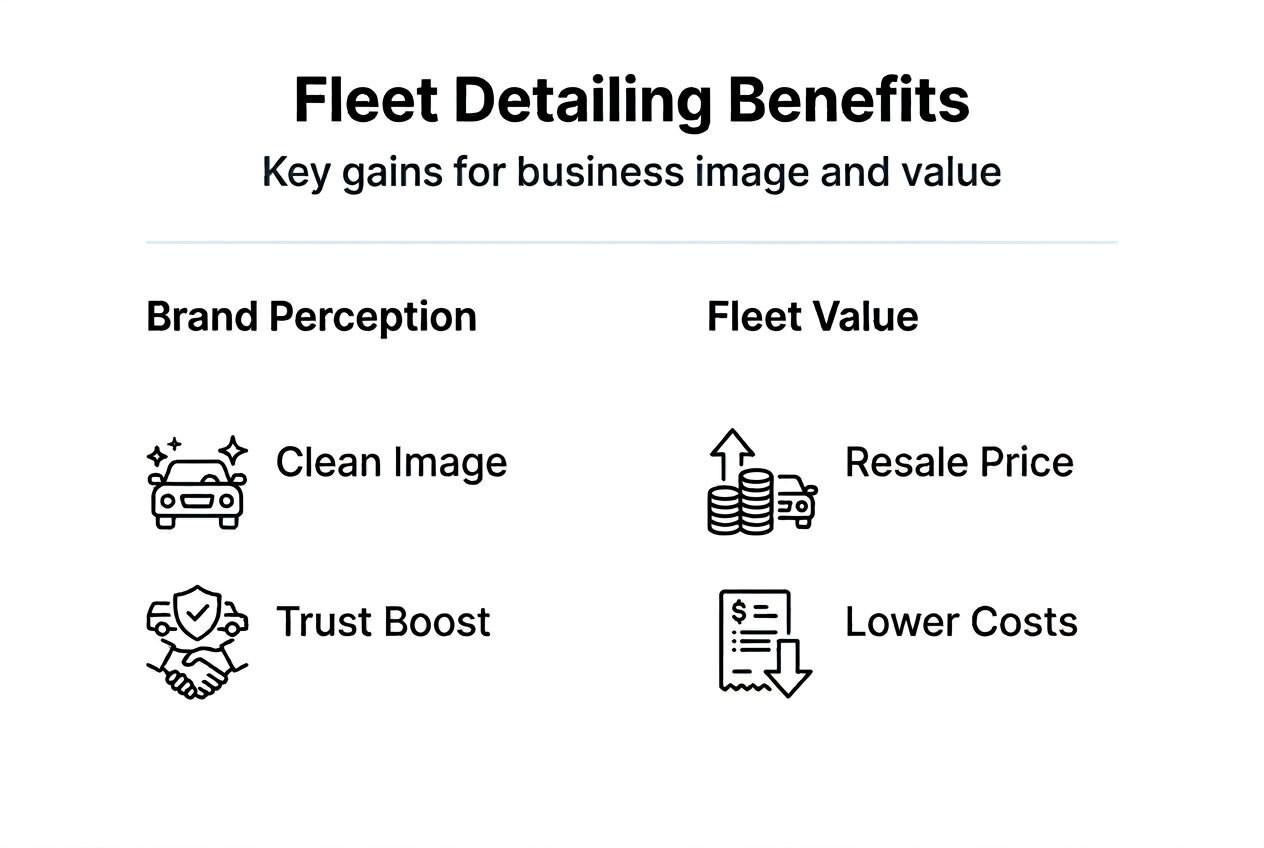
Cost savings accumulate through preventive maintenance that detailing provides. Regular cleaning removes corrosive contaminants before they damage paint or metal. Interior treatments prevent upholstery wear that would require expensive replacement. These avoided costs add up substantially over a vehicle’s service life.
Mobile detailing reduces vehicle downtime by 30% compared to traditional shop visits. This efficiency gain means more billable hours and fewer scheduling conflicts. Vehicles remain productive while technicians work on-site during natural breaks.
| Metric | Without Regular Detailing | With Quarterly Detailing | Difference |
|---|---|---|---|
| Average resale value | $18,500 | $21,275 | +15% |
| Annual repair costs | $850 | $620 | -27% |
| Service life | 6.2 years | 7.8 years | +26% |
| Downtime hours/year | 16 | 11 | -31% |
Economic impacts extend throughout your operation:
- Reduced rust and corrosion repair needs save thousands annually
- Enhanced brand image attracts premium customers willing to pay more
- Extended vehicle service life delays capital replacement expenses
- Lower insurance claims from maintained condition and careful handling
- Improved employee morale from working with clean, professional equipment
Role of auto detailing in business success connects directly to customer acquisition and retention. Professional vehicle appearance differentiates your business in competitive markets where service quality is hard to communicate visually.
Commercial car detailing advantages for fleets include bulk pricing that reduces per-vehicle costs. Providers often offer package deals for multiple vehicles scheduled simultaneously, delivering economy of scale benefits.
Operational efficiency improves when detailing eliminates distractions from vehicle appearance concerns. Drivers focus on service delivery rather than apologizing for dirty vehicles. Customers see professionals who care about presentation, reinforcing quality expectations.
Discover premium mobile detailing in South Jersey
CDC Auto Detailing brings professional mobile services directly to South Jersey businesses seeking to elevate fleet appearance and operational efficiency. As local experts, we understand regional challenges from shore salt exposure to winter road treatments that accelerate vehicle wear.
Our customized programs protect business fleets through advanced treatments including ceramic coatings for fleets that deliver lasting defense against environmental damage. We schedule services around your operations to minimize disruption while maximizing vehicle presentation.
Explore detailed guidance through our examples of auto detailing services explained and learn how to implement mobile detailing into your fleet management program. Professional vehicle care positions your business for stronger customer relationships and better asset values.
FAQ
How often should business vehicles be detailed for best results?
Quarterly professional detailing suits most business vehicles with regular use, balancing appearance maintenance with budget considerations. Adjust frequency based on mileage, weather exposure, and customer visibility needs. Heavy-use vehicles in harsh conditions may benefit from monthly exterior maintenance between quarterly full services.
What are the main differences between interior and exterior detailing?
Interior detailing focuses on cleaning and protecting cabin surfaces including upholstery, carpets, dashboard, and door panels for occupant comfort and hygiene. Exterior work addresses paint care, protective coatings, trim restoration, and glass treatment to enhance aesthetics and prevent environmental damage. Both services complement each other for complete vehicle care.
How do ceramic coatings benefit business vehicles compared to waxing?
Ceramic coatings provide protection lasting up to five years with superior durability against UV rays, chemicals, and environmental contaminants. Waxing offers shorter-term shine requiring reapplication every few months with less chemical resistance. Ceramic coatings cost more initially but deliver better long-term value through reduced maintenance and stronger protection.
Can mobile detailing really reduce downtime for business fleets?
Yes, mobile detailing services come to your location and cut downtime by approximately 30% compared to driving vehicles to traditional shops. This convenience keeps vehicles in service longer while maintaining professional appearance efficiently. Technicians work during natural operational breaks, eliminating coordination hassles and travel time.