
Most car owners believe regular washing and waxing sufficiently protect their vehicle’s paint. This misconception leaves paint vulnerable to chips, scratches, UV damage, and chemical stains that diminish appearance and resale value over time. Paint protection film offers a superior solution by creating a durable, nearly invisible barrier against these threats. This guide explains what PPF is, how it works, its benefits compared to other protection methods, and best practices for application and maintenance to help South Jersey car owners make informed decisions about preserving their vehicle’s finish.
Table of Contents
- What Is Paint Protection Film And How Does It Work?
- Why Paint Protection Film Is Essential For Preserving Your Car’s Appearance And Value
- How Paint Protection Film Compares To Other Paint Protection Options
- Applying And Maintaining Paint Protection Film: Best Practices For South Jersey Car Owners
- Explore Expert Paint Protection Services In South Jersey
Key takeaways
| Point | Details |
|---|---|
| PPF acts as a transparent protective layer | It shields paint from physical impacts, UV rays, and chemical contaminants that cause long-term damage. |
| Self-healing technology maintains appearance | The topcoat uses heat to repair minor scratches and swirl marks automatically without manual intervention. |
| Professional installation maximizes protection | Expert application ensures bubble-free coverage and optimal adhesion for years of reliable performance. |
| Combining PPF with other methods works best | Pairing film with ceramic coatings or regular detailing creates comprehensive paint protection. |
| Proper maintenance extends film lifespan | Gentle washing and avoiding harsh chemicals keep PPF effective for 5-10 years. |
What is paint protection film and how does it work?
Paint Protection Film (PPF) is a transparent thermoplastic polyurethane (TPU) film that protects vehicle paint from chips, scratches, UV fading, and chemical stains. This advanced material features a multi-layer construction designed specifically for automotive applications. The base layer consists of thick TPU that absorbs impacts from road debris and prevents damage from reaching the paint surface beneath.
The middle adhesive layer bonds the film securely to your vehicle’s paint without causing harm during removal. This pressure-sensitive adhesive allows professional installers to reposition the film during application for perfect alignment. The top clear coat provides the self-healing properties that make PPF unique among paint protection options.
When minor scratches or swirl marks appear on the surface, heat from sunlight or warm water triggers the topcoat to flow back into its original smooth state. This eliminates visible imperfections without requiring buffing or polishing. The film typically measures 6 to 8 mils thick, providing substantial impact resistance while remaining virtually invisible on your vehicle.
PPF creates a physical barrier between your paint and environmental hazards. Rock chips that would normally create permanent damage bounce off the flexible film instead. UV rays that fade and oxidize paint get blocked before reaching the clear coat. Chemical contaminants like bird droppings, tree sap, and road salt sit on the film surface rather than etching into paint.
Pro Tip: PPF works best on high-impact areas like front bumpers, hoods, fenders, side mirrors, and door edges where damage occurs most frequently. Full vehicle coverage offers maximum protection but costs significantly more than partial application.
The film does not replace regular maintenance routines. You still need to wash your vehicle and address contaminants promptly. However, PPF installation in Pitman adds a robust protective layer that dramatically reduces the likelihood of permanent paint damage from daily driving conditions.
Key protective mechanisms include:
- Impact absorption from the thick TPU base layer prevents chips and dents
- UV blocking preserves original paint color and prevents oxidation
- Chemical resistance stops acidic contaminants from etching paint
- Self-healing topcoat eliminates minor surface scratches automatically
- Hydrophobic properties make water and dirt bead off easily
Why paint protection film is essential for preserving your car’s appearance and value
South Jersey driving conditions expose vehicles to numerous paint threats throughout the year. Winter road salt accelerates corrosion when it contacts bare metal through paint chips. Summer sun delivers intense UV radiation that fades colors and breaks down clear coat. Spring pollen and tree sap create acidic deposits that etch paint if left untreated. Fall brings increased road debris from construction and leaf cleanup.
PPF protects against rock chips, scratches, UV fading, and chemical stains, preserving the vehicle’s paint and value. Every unprotected chip creates an entry point for moisture and contaminants that cause rust. Once rust begins, it spreads underneath surrounding paint and requires expensive bodywork to repair properly. Prevention through PPF costs far less than fixing extensive paint and rust damage later.
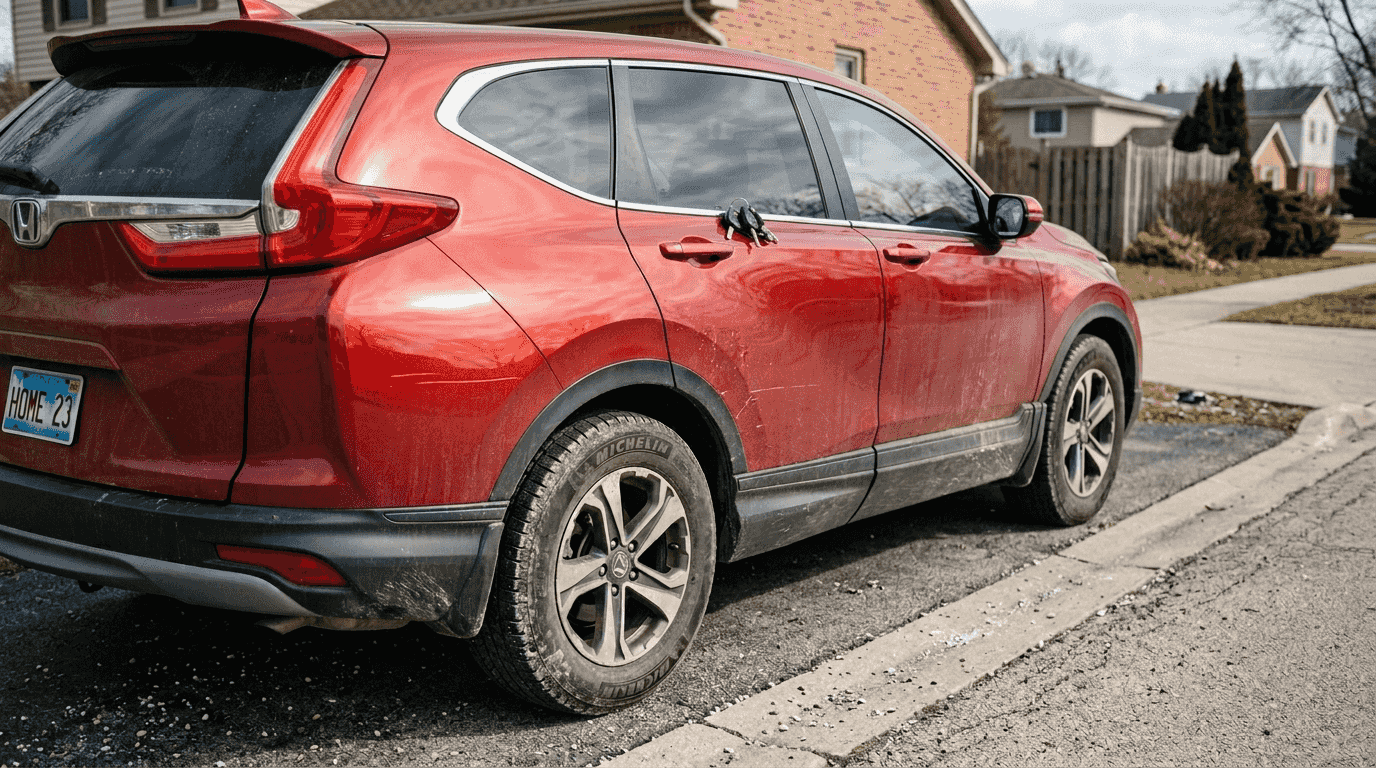
Maintaining showroom appearance directly impacts resale value. Buyers pay premium prices for vehicles with flawless paint and no visible wear. Even minor scratches and swirl marks signal poor maintenance and justify lower offers. Protected paint demonstrates careful ownership and commands higher market value when you decide to sell or trade.
The financial benefits extend beyond resale considerations. Paint correction and refinishing services cost hundreds to thousands of dollars depending on damage severity. A single deep scratch requiring panel repainting can exceed the cost of protecting that area with PPF initially. Multiple repairs over vehicle ownership quickly surpass the investment in comprehensive film coverage.
Combining PPF with professional detailing services maximizes vehicle longevity. Regular washing removes surface contaminants before they bond to the film. Extending paint life with detailing maintains the protective barrier and keeps your vehicle looking new for years. Periodic inspections identify film damage early so you can address issues before they compromise paint protection.
Primary benefits of paint protection film:
- Prevents rock chips and road debris damage on vulnerable front surfaces
- Blocks UV radiation that causes fading and clear coat failure
- Resists chemical etching from bird droppings, bugs, and tree sap
- Maintains higher resale value through preserved paint condition
- Reduces long-term maintenance costs by preventing expensive repairs
- Keeps vehicles looking newer longer with minimal effort
How paint protection film compares to other paint protection options
Car owners have several paint protection choices, each offering different benefits and limitations. Understanding these differences helps you select the right solution for your needs and budget. Traditional waxes provide the most basic protection at the lowest cost. They create a sacrificial layer that shields paint from minor contaminants and adds shine. However, wax wears off within weeks and offers no impact resistance against chips or scratches.
Paint sealants last longer than wax, typically 3 to 6 months, using synthetic polymers that bond more durably to paint. They provide better chemical resistance than wax but still lack physical protection against road debris. Both waxes and sealants require frequent reapplication to maintain effectiveness, making them labor-intensive options.
Ceramic coatings represent a significant upgrade in chemical and scratch resistance. These liquid polymer treatments bond permanently to paint and create an extremely hard, hydrophobic surface. PPF offers physical impact protection with self-healing properties unlike typical ceramic coatings and waxes. While ceramic coatings resist minor scratches better than wax, they cannot prevent rock chips or absorb impacts like PPF.
The thick TPU construction of paint protection film provides the only true barrier against physical damage. A rock traveling at highway speed will chip through ceramic coating and damage paint underneath. The same impact gets absorbed by PPF’s flexible material, leaving paint untouched. The self-healing topcoat repairs minor abrasions that would permanently mar ceramic coatings.
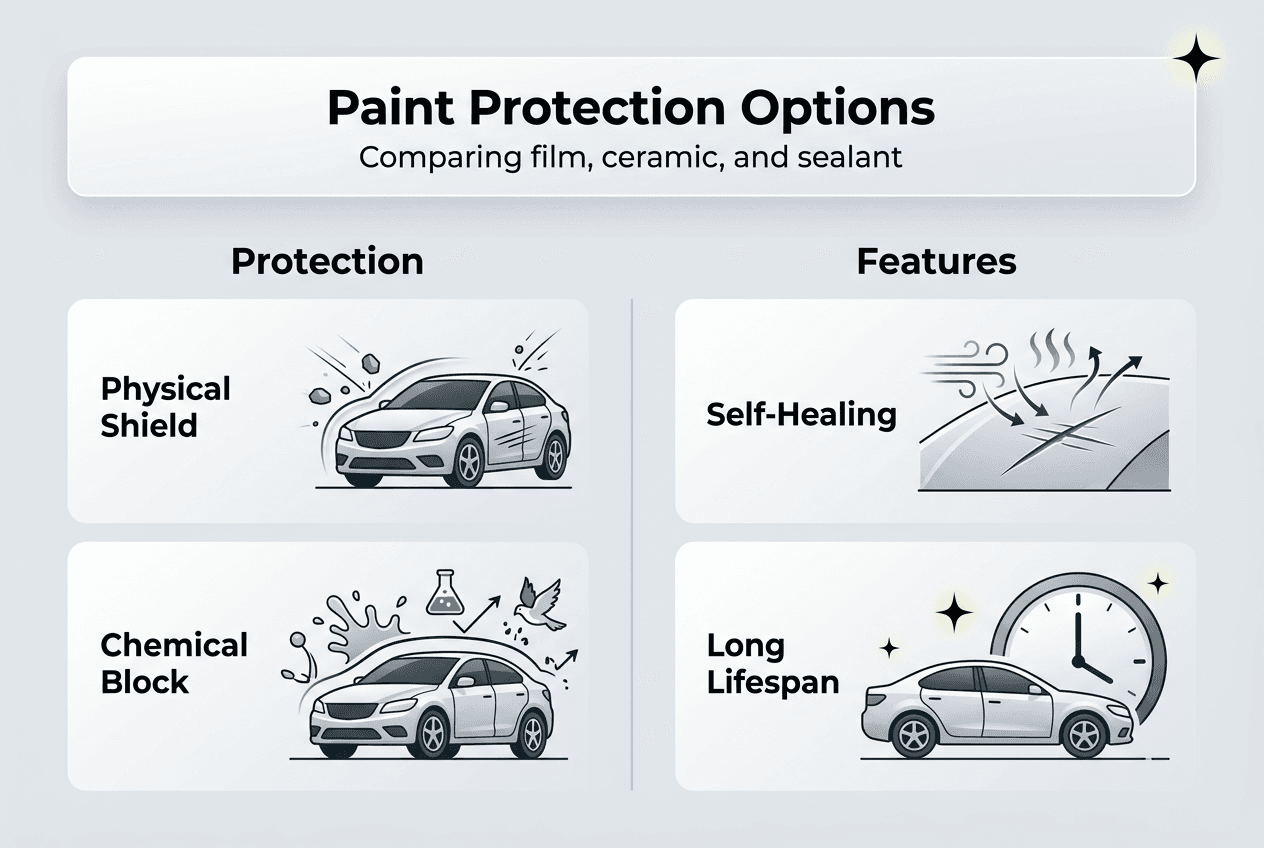
Many vehicle owners achieve optimal protection by combining methods strategically. Applying PPF to high-impact areas like the front bumper, hood, and fenders prevents the most common damage. Adding ceramic coating or quality sealant to remaining painted surfaces provides chemical resistance and ease of cleaning. This layered approach delivers comprehensive protection at a reasonable cost compared to full-vehicle PPF coverage.
| Protection Method | Impact Resistance | Chemical Resistance | Longevity | Self-Healing | Cost |
|---|---|---|---|---|---|
| Wax | None | Low | 4-8 weeks | No | Low |
| Paint Sealant | None | Moderate | 3-6 months | No | Low-Moderate |
| Ceramic Coating | Minimal | High | 2-5 years | No | Moderate-High |
| Paint Protection Film | Excellent | High | 5-10 years | Yes | High |
Pro Tip: Choosing premium paint protection depends on your driving conditions, budget, and how long you plan to keep the vehicle. Daily highway commuters benefit most from PPF on front surfaces, while garage-kept weekend cars may only need ceramic coating.
Key comparison factors:
- PPF provides the only effective defense against rock chips and road debris
- Ceramic coatings excel at chemical resistance and hydrophobic properties
- Waxes and sealants offer basic protection requiring frequent reapplication
- Upfront costs vary dramatically, with PPF being the most expensive option
- Long-term value favors PPF due to superior durability and damage prevention
Applying and maintaining paint protection film: best practices for South Jersey car owners
Professional installation ensures optimal PPF performance and longevity. Experienced installers prepare paint surfaces properly, removing contaminants and correcting imperfections before applying film. They use specialized tools and techniques to achieve bubble-free coverage, especially around complex curves and body lines. Attempting DIY installation often results in trapped air, wrinkles, and poor adhesion that compromise protection and appearance.
The installation process begins with thorough paint decontamination and correction. Any existing scratches, swirl marks, or oxidation get trapped under the film permanently if not addressed first. Installers use clay bars, polishing compounds, and paint correction techniques to create a flawless surface. They then precisely cut film pieces to match each panel or use pre-cut kits designed for specific vehicle models.
Proper application requires controlled environment conditions. Dust, debris, and temperature fluctuations during installation cause defects that reduce film effectiveness. Professional shops maintain clean workspaces with appropriate lighting to identify and eliminate imperfections during the process. Properly applied and maintained PPF preserves paint appearance and durability over years.
Maintaining your paint protection film maximizes its protective lifespan and keeps your vehicle looking excellent. Follow these care practices:
- Wait 48 to 72 hours after installation before washing to allow adhesive to cure fully.
- Use pH-neutral car wash soap and soft microfiber wash mitts to prevent scratching the film surface.
- Rinse thoroughly with moderate water pressure, avoiding direct high-pressure streams on film edges.
- Dry with clean microfiber towels using gentle blotting motions rather than aggressive rubbing.
- Apply heat to minor scratches by parking in direct sunlight or using warm water to activate self-healing.
- Inspect film edges regularly for lifting or damage and address issues promptly to prevent moisture intrusion.
Avoid automatic car washes with harsh brushes that can scratch or lift film edges. Skip abrasive compounds, harsh solvents, and petroleum-based cleaners that degrade the protective topcoat. Never use razor blades or sharp objects near the film when removing contaminants like bugs or tar.
Pro Tip: Applying a spray sealant or ceramic coating over PPF enhances hydrophobic properties and makes routine cleaning even easier. This additional layer also provides extra chemical resistance without compromising the film’s self-healing capabilities.
Regional conditions in South Jersey require attention to specific maintenance needs. Winter salt residue should be rinsed off promptly to prevent buildup along film edges. Summer heat accelerates self-healing but can also make film more susceptible to staining from tree sap if not removed quickly. Spring pollen and fall leaves contain acids that should be washed away before they sit on the film for extended periods.
Professional detailing services complement PPF maintenance by ensuring thorough cleaning and proper care techniques. Ceramic coating application tips can enhance your overall paint protection strategy when combined with film coverage. Regular professional inspections identify potential issues before they require costly film replacement or paint repairs.
Schedule film inspection and maintenance at least twice yearly, ideally before and after winter. This allows professionals to assess condition, perform deep cleaning, and address any edge lifting or damage. When film eventually shows signs of yellowing, cracking, or permanent staining after years of service, professional removal and replacement restores full protection without damaging underlying paint.
Explore expert paint protection services in South Jersey
Protecting your vehicle’s paint requires expertise and quality materials that deliver lasting results. Professional installation guarantees the durability and flawless appearance that make paint protection film worthwhile. Attempting to cut corners with DIY application or bargain materials often leads to disappointing outcomes and wasted money. South Jersey car owners benefit from working with local experts who understand regional driving conditions and environmental challenges.

Premium PPF installation Pitman NJ combines advanced film technology with skilled application techniques for superior paint protection. Professional detailing services enhance and maintain your film investment through proper cleaning and care. Comprehensive auto detailing services examples demonstrate how expert care preserves vehicle appearance and value long term. Understanding how auto detailing works helps you make informed decisions about protecting your automotive investment.
FAQ
What is the lifespan of paint protection film on a car?
Most high-quality PPF lasts 5 to 10 years depending on exposure conditions and maintenance practices. Premium films from leading manufacturers often include warranties covering yellowing, cracking, and delamination for up to 10 years. Vehicles garaged regularly and maintained properly typically see film perform at the upper end of this range, while daily drivers in harsh conditions may need replacement closer to 5 years.
Can I apply paint protection film myself, or should I hire a professional?
DIY installation risks bubbles, wrinkles, improper adhesion, and poor edge sealing that compromise protection and appearance. Professional installers have specialized training, tools, and controlled environments necessary for flawless application. The cost difference between professional and DIY often proves minimal when factoring in wasted materials, time, and potential need to redo poor installations. Professionals also provide warranties that protect your investment.
Does paint protection film protect against all types of scratches and damage?
PPF effectively protects against rock chips, minor scratches, swirl marks, UV damage, and chemical stains from normal driving conditions. It cannot prevent deep scratches from sharp objects dragged across the surface or major dents from severe impacts. The self-healing topcoat repairs only minor surface abrasions, not cuts that penetrate through to the adhesive layer. Extremely aggressive damage exceeds any film’s protective capabilities.
How do I maintain paint protection film to keep it effective?
Regular gentle washing with pH-neutral soap and soft microfiber materials keeps PPF clean and functional. Avoid abrasive scrubbing pads, harsh chemicals, and high-pressure washers aimed directly at film edges. Minor scratches self-heal when exposed to heat from sunlight or warm water during washing. Inspect edges periodically for lifting and address any damage promptly to prevent moisture from compromising adhesion underneath the film.