
TL;DR:
- Fabric protection is a valuable investment that shields vehicle upholstery from UV damage, moisture, odors, and wear, improving resale value regardless of age. Proper application involves thorough cleaning, controlled moisture, and adequate drying to prevent mold and mildew, especially in humid regions like South Jersey. It offers long-term benefits for high-use vehicles and those exposed to spills, pets, or heavy contamination, with professional-grade products lasting up to a year.
Most car owners assume fabric protection is either a dealership upsell or something only relevant for brand-new vehicles. Both assumptions are wrong. Fabric protection is one of the most practical investments you can make in any vehicle, regardless of age, and it goes well beyond simple stain resistance. When applied correctly, it guards your upholstery against UV fading, moisture damage, odor buildup, and the kind of gradual wear that quietly erodes your car’s resale value. If you drive in South Jersey, where humidity is a real factor every summer, understanding how this treatment works can save you a lot of money and frustration down the road.
Table of Contents
- What is fabric protection? The basics clarified
- How is fabric protection applied? The process from start to finish
- Fabric protection vs. regular interior cleaning: Key differences
- Do you need fabric protection? Deciding factors for South Jersey drivers
- The overlooked truth: Most protection is lost at the cleaning stage
- Ready to protect your car’s interior? Next steps for South Jersey drivers
- Frequently asked questions
Key Takeaways
| Point | Details |
|---|---|
| Fabric protection defined | It is a specialized treatment that helps automotive fabrics resist spills, stains, and premature wear. |
| Preparation is essential | Thorough cleaning and proper drying before application maximize protection and prevent odor issues. |
| Choose based on lifestyle | Families, pet owners, and commuters gain the most from professional fabric protection. |
| Not all protection is equal | DIY solutions rarely match the durability and thoroughness of professional-grade applications. |
| Long-term value | Investing in fabric protection can help keep your car’s interior looking and smelling fresh for years. |
What is fabric protection? The basics clarified
Fabric protection for vehicles is a professionally applied treatment that bonds to automotive upholstery fibers, creating an invisible barrier that resists spills, stains, UV damage, and everyday contamination. It is not the same as a quick spray from a drugstore can. Professional-grade fabric protectants penetrate the fabric structure itself rather than simply coating the surface, which means the barrier holds up longer and performs better under real-world use.
Here is how it actually works. The protectant wraps around individual fibers in the fabric, causing liquids to bead up and roll off rather than soak in. Solid contaminants like dust, pet dander, and pollen have a harder time embedding into the weave. UV inhibitors in many professional products also slow the color fading that makes older car interiors look worn and dull well before their time. The result is fabric that stays cleaner longer and is much easier to maintain between professional cleanings.
There are a few persistent myths worth clearing up:
- Fabric protection does not make your interior indestructible. A deep red wine spill left sitting for two days will still cause staining. The barrier buys you time, not immunity.
- Surface prep is not optional. Applying protectant to dirty or damp fabric is one of the most common professional mistakes. The treatment adheres to fibers, not to old residue.
- DIY sprays are not equivalent. Consumer-grade products typically use weaker polymer formulas that wear off quickly and offer limited UV defense.
- Odor prevention is a real benefit. By limiting moisture absorption, fabric protectants reduce the conditions that allow bacteria and mildew to grow inside seat cushions.
One critical point that professionals rarely talk about publicly: moisture control before protection matters as much as the protectant itself. Oversaturating fabric during the pre-cleaning phase traps moisture in the cushion foam beneath the fabric layer, which can cause mildew long after the visible surface looks dry. This is why preserving value with fabric protection always starts with the right prep process, not just the right product.
“The protectant is only as strong as the surface it’s applied to. Clean, dry fabric treated with a professional-grade barrier will outperform the best consumer spray applied to improperly prepped upholstery every single time.”
How is fabric protection applied? The process from start to finish
Understanding the process helps you evaluate whether a detailer is actually doing the job right or cutting corners. The steps below represent the professional standard. If a provider skips any of them, the quality of your protection will suffer regardless of how good the product is.
- Thorough vacuuming. Every surface is vacuumed first to remove loose dirt, debris, pet hair, and any solid particles that could interfere with cleaning or protectant adhesion. Seat crevices, floor mats, and lower door panels are included.
- Stain pre-treatment. Visible stains are treated individually with targeted cleaners before the general cleaning phase begins. This improves removal rates and reduces the need for aggressive scrubbing, which can damage fabric fibers.
- Deep cleaning with minimal moisture. This is where most amateurs go wrong. The goal is to lift contaminants out of the fabric without saturating the cushion beneath. Controlled moisture application, combined with careful agitation, achieves a deep clean without waterlogging the seat. As professional prep standards confirm, oversaturating fabric creates odor and mildew risks that undo the value of any protection applied afterward.
- Thorough drying. This step is non-negotiable. Compressed air, low-heat blowers, or both are used to remove moisture from the fabric surface and the foam underneath. In a humid environment like South Jersey, this step can take longer than the cleaning itself. Rushing it is a serious mistake.
- Even protectant application. The professional-grade fabric protectant is applied in even, overlapping passes to ensure complete coverage. Missed spots create weak points where stains can take hold.
- Final inspection and touch-up. Once the protectant cures, the technician inspects for uneven coverage or any areas that need a second pass. Some products require 20 to 30 minutes of cure time before the vehicle is ready.
For a detailed look at how this fits into the larger cleaning process, the step-by-step interior cleaning approach we use covers each phase from top to bottom. You can also review our car cleaning workflow to see how protection fits into a complete interior detailing session.
Pro Tip: Before booking a fabric protection service, ask your detailer specifically what they do during the drying phase and how long it takes. A vague or dismissive answer is a red flag. Proper drying is where the real quality difference lives.
Fabric protection vs. regular interior cleaning: Key differences
Many vehicle owners treat these two services as interchangeable. They are not. Standard interior cleaning and fabric protection serve different purposes, and understanding the difference helps you decide what your car actually needs.
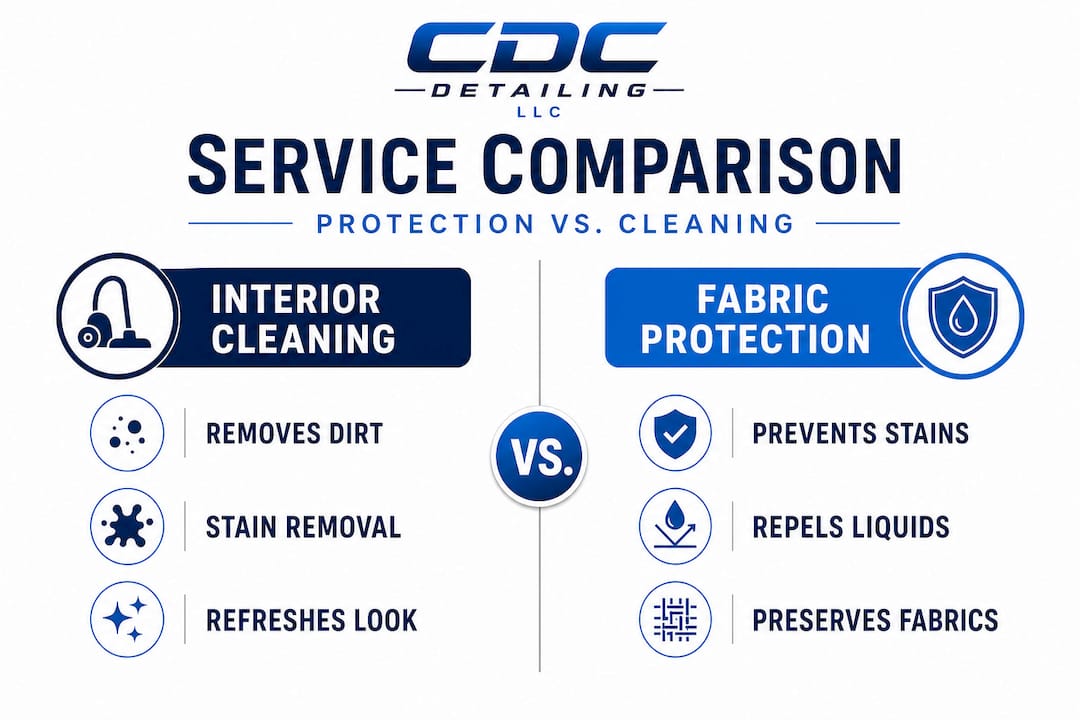
| Feature | Interior cleaning | Fabric protection |
|---|---|---|
| What it does | Removes existing dirt, stains, allergens | Creates a barrier against future contamination |
| Longevity | Clean until next soiling event | Lasts 6 to 12 months with normal use |
| Cost | Lower upfront cost | Moderate upfront, saves long-term cleaning costs |
| Best for | Routine maintenance, post-event cleanup | Proactive care, high-use vehicles |
| UV defense | None | Yes, with professional-grade products |
| Odor prevention | Removes current odors | Reduces future odor-causing moisture absorption |
Standard cleaning is absolutely necessary and should be done regularly. But cleaning alone cannot prevent the next spill from setting into fabric. Fabric protection adds a layer that makes future cleaning easier and less frequent, which is where the long-term value comes from. For a solid foundation on what interior detailing basics involve, that comparison shapes how you approach both services.
Here is who benefits most from adding fabric protection after a professional cleaning:
- Families with young children. Juice, food, and mystery substances appear constantly in back seats. Protection dramatically reduces permanent staining from these incidents.
- Pet owners. Pet dander, mud, and moisture from animals accelerate fabric breakdown and odor buildup faster than almost any other cause.
- Rideshare and delivery drivers. High passenger volume means high contamination risk. Protection helps maintain the professional appearance that ratings depend on.
- Anyone leasing a vehicle. Return fees for interior damage can be significant. Protection is far cheaper than end-of-lease penalties.
- Business owners with company vehicles. First impressions matter, and protected interiors stay looking presentable longer.
Whether protection is worth the cost is genuinely lifestyle-dependent. If you rarely transport passengers, have no pets, and your commute is solo and short, basic cleaning may be sufficient. Understanding the lasting interior value of professional care can help you weigh that decision clearly. Our car interior cleaning guide also walks through the baseline care every vehicle should receive, protection or not.
Do you need fabric protection? Deciding factors for South Jersey drivers
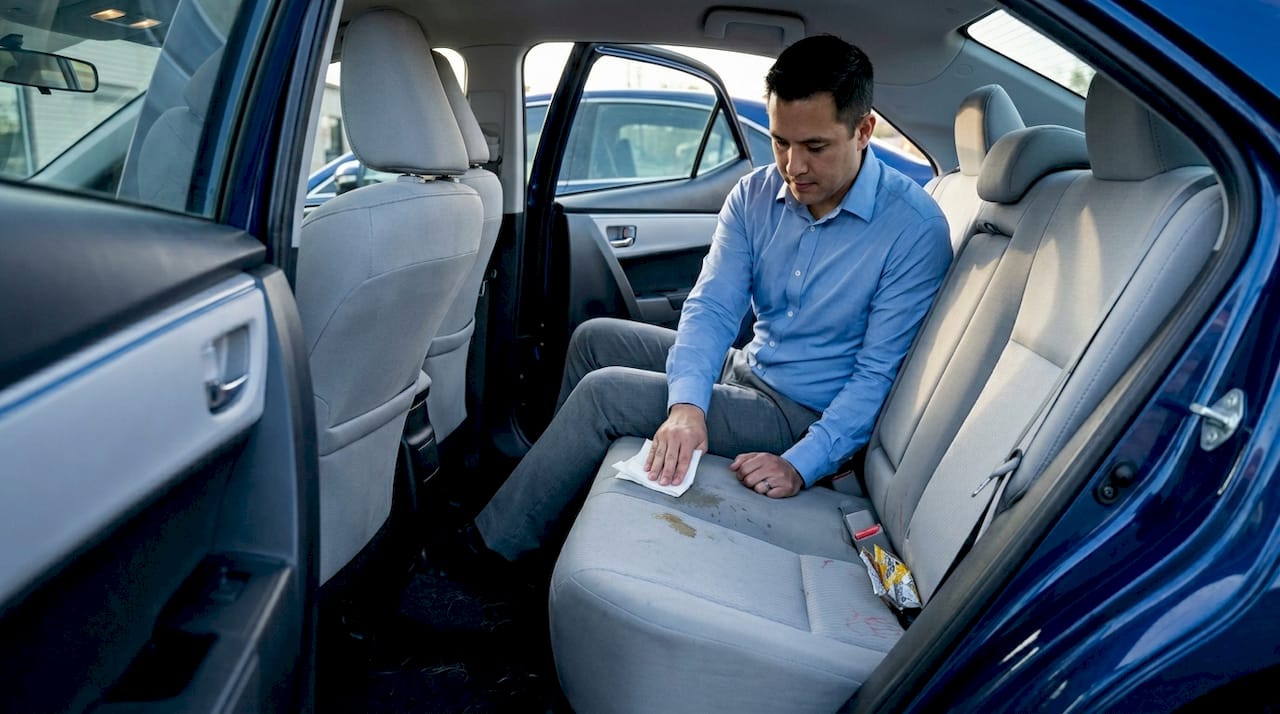
Not every vehicle owner needs fabric protection applied every six months. But most South Jersey drivers have at least one lifestyle factor that makes it a genuinely smart investment. Here is a straightforward decision framework.
| Your situation | Recommended approach |
|---|---|
| Kids or pets in the vehicle regularly | Strong yes. High spill and contamination risk makes protection essential. |
| Daily commuter, solo driver, no food | Moderate benefit. UV protection and odor prevention still add value. |
| Rideshare or delivery vehicle | Yes. Frequent passengers raise contamination risk significantly. |
| Weekend-only vehicle, low use | Lower priority, but one-time application is still worthwhile for resale. |
| Leased vehicle | Yes. Protects against costly return fees for interior damage. |
| Protective seat covers already installed | Lower priority, though floor and door panel fabric still benefits. |
The decision around fabric protection comes down to how much risk your specific vehicle is exposed to. Light use with no kids, pets, or food inside makes the case weaker. Heavy daily use with any of those factors makes the case very strong. Look at your car honestly and count how many times a week someone eats, drinks, or gets in with dirty shoes or wet clothing.
One stat worth knowing: upholstery damage, including staining, odor embedding, and UV fading, is consistently ranked among the top factors that reduce used vehicle appraisal values. Interior condition often matters more to buyers than minor exterior wear, because it reflects how carefully the vehicle was maintained. Protecting your fabric is, in part, protecting your eventual resale price. For guidance on how this connects to value of preserved interiors, that connection is made very clearly.
Pro Tip: South Jersey’s summer humidity creates a unique risk that most car care guides ignore. If moisture gets trapped in seat cushions during cleaning and does not fully dry before protection is applied, the sealed surface can actually trap that moisture in, creating a mildew problem that smells worse than the original stain. Always work with a detailer who understands regional climate conditions and adjusts drying time accordingly.
The overlooked truth: Most protection is lost at the cleaning stage
Here is something we have seen consistently across hundreds of interior detailing jobs: most complaints about fabric protection “not working” have nothing to do with the product. They trace back to what happened before the product was ever applied.
When fabric is cleaned with too much moisture, or when a detailer rushes the drying phase to save time, the underlying seat cushion retains water. The surface of the fabric may feel dry within an hour, but the foam beneath can hold moisture for 24 hours or more in humid conditions. Apply protectant over that situation and you have effectively sealed moisture into the seat. Mildew grows. Odors develop. The owner concludes that fabric protection caused the problem, when in reality it was a prep failure that the protection made worse by trapping the issue inside.
Proper pre-cleaning protocols exist precisely because this failure mode is so common and so misunderstood. Prioritizing deep cleaning with controlled moisture and thorough drying is the single most important quality indicator in a fabric protection service.
In South Jersey specifically, high summer humidity raises the stakes further. A seat that might dry fully in a few hours in dry Arizona air can take twice as long here in July. Detailers who do not account for regional climate conditions will cut corners on drying time and create exactly the conditions that make customers regret the service.
Our advice: always ask your detailer two specific questions before booking. First, how do you dry the seats after cleaning? Second, how long before I can use the vehicle after the protectant is applied? The answers tell you almost everything you need to know about the quality of what you are about to receive. A thorough answer shows process discipline. A vague one shows shortcuts ahead.
A great protectant applied to properly prepared fabric will genuinely perform for six to twelve months under normal use. That same protectant applied over damp, inadequately cleaned upholstery can fail within weeks and leave you worse off than if you had skipped the service entirely. The foundation is everything.
Ready to protect your car’s interior? Next steps for South Jersey drivers
You now have a clear picture of what fabric protection does, how it is properly applied, and whether your lifestyle makes it a smart investment. The next step is making sure the service you choose actually delivers on that potential.

At CDC Auto Detailing, we bring professional-grade interior protection directly to your driveway across South Jersey. Our mobile service means no waiting rooms, no drop-offs, and no wasted time. Every fabric protection treatment we provide follows the full prep process, including thorough drying, because we know that skipping steps costs our customers more than it saves. If you want to explore how this fits into a broader care plan, check out our auto detailing service examples or learn more about how auto detailing works from prep to finish. For vehicles that need maximum long-term protection, our ceramic coating options extend that same philosophy to exterior surfaces. Reach out today to get a quote or schedule your service.
Frequently asked questions
Does fabric protection prevent all stains?
No. Fabric protection significantly improves resistance to spills and makes cleanup much easier, but as professional standards confirm, no protectant makes fabric completely stain-proof, especially against strongly pigmented liquids left to sit.
How long does fabric protection last in a car?
With normal use and regular light cleaning, professional-grade fabric protection typically lasts 6 to 12 months before reapplication is recommended.
Is it safe to apply fabric protection yourself?
DIY products are available, but the risk is in the prep process. As moisture management research makes clear, oversaturating fabric without proper drying creates odor and mildew risks that often outweigh any benefit from the protectant itself.
What makes fabric protection worth the cost?
The value depends on lifestyle and how much contamination risk your vehicle faces. For families, pet owners, commuters, and rideshare drivers, the reduction in long-term interior damage and cleaning frequency makes it a genuinely cost-effective investment.