
Road salt from the Garden State Parkway, intense summer UV, and the constant grind of daily commuting can strip your car’s finish faster than you’d expect. South Jersey drivers deal with a unique combination of coastal humidity, winter road treatment, and highway debris that puts paint under serious stress year-round. Self-healing coatings have emerged as one of the most talked-about solutions in automotive protection, promising to literally repair minor scratches on their own. But before you invest, it’s worth understanding exactly what these coatings can and can’t do, how they compare to traditional options, and whether they make sense for your specific situation.
Table of Contents
- What are self-healing coatings and how do they work?
- Major advantages of self-healing coatings for vehicles
- Common drawbacks and limitations of self-healing coatings
- Head-to-head: Pros and cons of self-healing vs. traditional coatings
- Which drivers benefit most: Real-world scenarios in South Jersey
- Protect your vehicle with expert-applied coatings in South Jersey
- Frequently asked questions
Key Takeaways
| Point | Details |
|---|---|
| Repairs minor scratches | Self-healing coatings automatically fix light scratches and swirls from daily driving. |
| Requires proper maintenance | To work well, these coatings still need regular hand washing and care. |
| Outperforms traditional options | Compared with wax and regular ceramic, self-healing coatings provide longer-lasting protection and easier upkeep. |
| Not a cure-all | They will not protect against deep gouges, chips, or severe environmental damage. |
| Wise investment for NJ drivers | For those in tough climates or who value appearance, self-healing coatings can pay off over several years. |
What are self-healing coatings and how do they work?
Self-healing coatings sound like science fiction, but the technology is real and already on roads across South Jersey. At the core, there are two main mechanisms that make these coatings work.
The first is extrinsic healing, where tiny microcapsules embedded in the coating rupture when scratched, releasing a healing agent that fills the damaged area. The second is intrinsic healing, which relies on reversible chemical bonds or heat-activated polymer flow in the topcoat layer. Most automotive applications use the intrinsic approach.
Here’s how the main types break down:
- Paint protection film (PPF): Uses an elastomeric topcoat that activates at 140 to 180°F, reforming its surface through heat from direct sunlight or warm water.
- Self-healing ceramic coatings: Combine the hardness of traditional ceramics with a flexible top layer that can recover from light abrasion.
- Factory-applied coatings: Nissan’s Scratch Guard paint is one of the most recognized examples of an OEM self-healing finish.
“The elastomeric topcoat in PPF reforms via heat from sun or warm water, making it one of the most practical self-healing options for everyday vehicles.”
It’s important to set realistic expectations. Self-healing coating technology works best on light, shallow surface marks. Deep scratches that cut through the clear coat or into the base coat are beyond what any current self-healing product can fix. The healing process is also not infinite. Over time, the coating’s ability to recover diminishes, especially under harsh environmental conditions.
Major advantages of self-healing coatings for vehicles
With the technology explained, let’s spotlight the standout advantages you’ll notice on your car from day one.
The most obvious benefit is the ability to repair minor scratches and swirl marks without any intervention from you. Those fine lines left by automatic car washes or careless parking lot encounters simply disappear in the sun. That alone saves most car owners multiple paint correction sessions per year.
Beyond scratch repair, these coatings deliver a strong lineup of protective properties:
- UV resistance: Blocks oxidation and fading caused by prolonged sun exposure, which is a real concern during South Jersey summers.
- Chemical resistance: Protects against bird droppings, tree sap, road salt, and acidic rain that are common along coastal and highway routes.
- Hydrophobic surface: Water beads and rolls off, carrying dirt with it and keeping your car cleaner between washes.
- Resale value protection: A well-maintained finish with minimal paint damage commands a higher price when it’s time to sell.
The numbers back this up. Lab testing shows healing efficiency up to 96% barrier recovery within 12 hours, and PPF products can self-heal light scratches in as little as 15 to 30 minutes in direct sunlight.
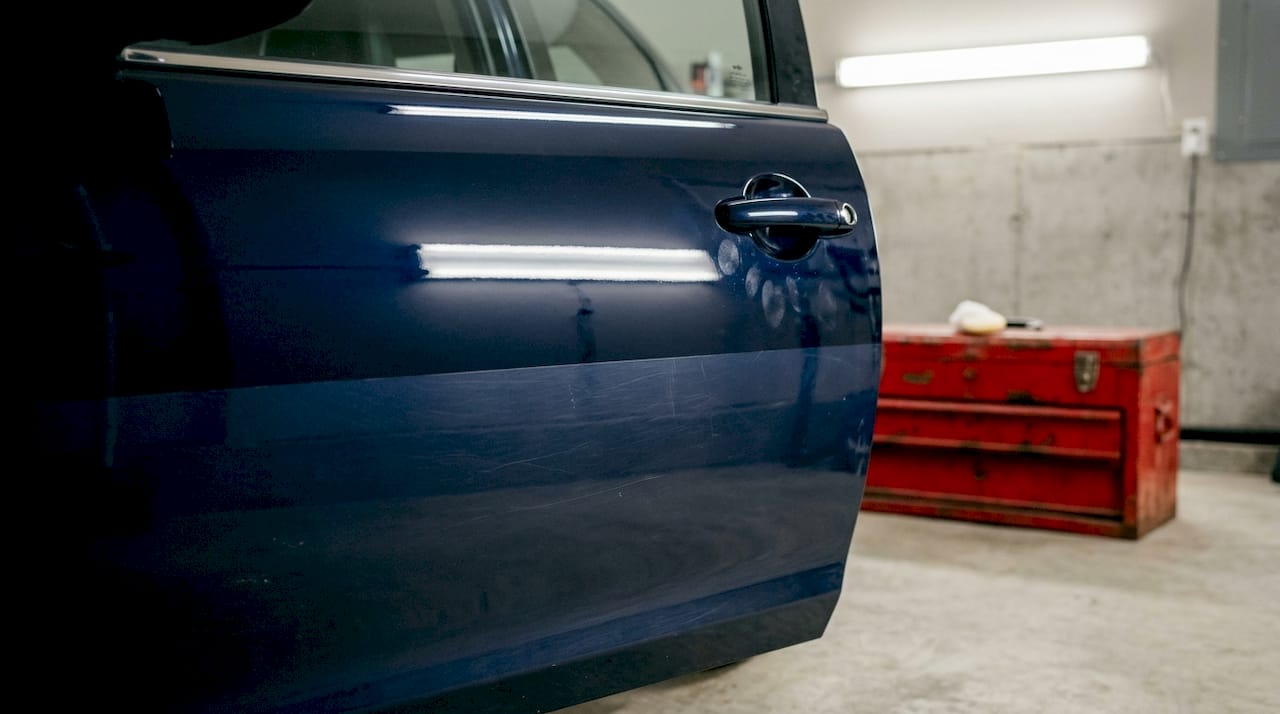
Pro Tip: Park your car in direct sunlight for 20 to 30 minutes after noticing light swirl marks. The heat alone can trigger the healing process on most PPF and self-healing ceramic products without any additional treatment.
For South Jersey drivers who want to explore how self-healing brands compare in real-world performance, the differences in durability and activation speed between brands can be significant. Pairing a self-healing film with a quality ceramic coating protection layer underneath gives you a two-tier defense that handles both surface abrasion and deeper chemical threats.
Common drawbacks and limitations of self-healing coatings
Despite impressive perks, self-healing coatings are not flawless or foolproof. Let’s set expectations with a look at their real-world limitations.
Here are the most important limitations to understand before committing:
- Shallow damage only. These coatings only heal light scratches and swirl marks. Rock chips, keying, and any scratch that breaks through the clear coat will not self-repair.
- Lifespan is not permanent. Harsh environments like New Jersey’s salt air and humidity can reduce ceramic lifespan to just 2 to 5 years, even with self-healing properties.
- Higher upfront cost. Professional application of self-healing PPF or ceramic coatings costs significantly more than traditional wax or paint sealant.
- Washing is still required. You can’t skip maintenance. Regular gentle washing is essential to keep the coating performing at its best.
- Heat dependency. In cold New Jersey winters, the healing process slows dramatically because the coating needs warmth to activate.
“Self-healing coatings reduce detailing costs over time, but they are not invincible. Regular hand washing is still necessary to maintain their efficacy.”
Pro Tip: During winter months, use a bucket of warm water to rinse your car after washing. The mild heat can help activate any minor healing the coating needs, even when outdoor temperatures are low. Check out our winter ceramic coating care guide for a full seasonal routine.
Following solid detailing maintenance tips is just as important with a self-healing coating as it is with any other protective product. The coating extends your paint’s life, but it doesn’t eliminate the need for care.
Head-to-head: Pros and cons of self-healing vs. traditional coatings
To make a confident decision, let’s compare self-healing coatings directly to other paint protection methods available to NJ car owners.
| Feature | Self-healing PPF | Self-healing ceramic | Standard ceramic | Wax or sealant |
|---|---|---|---|---|
| Minor scratch repair | Yes | Partial | No | No |
| UV protection | Strong | Strong | Strong | Moderate |
| Chemical resistance | Strong | Strong | Strong | Low |
| Hydrophobic effect | Yes | Yes | Yes | Short-term |
| Lifespan | 5 to 10 years | 2 to 5 years | 2 to 5 years | 3 to 6 months |
| Upfront cost | Highest | High | Moderate | Low |
| Maintenance required | Low | Low | Low | Frequent |
| Heals rock chips | No | No | No | No |
PPF remains the gold standard for physical impact protection. PPF self-heals light scratches in 15 to 30 minutes in sunlight, making it the most responsive option for daily drivers.
“No coating eliminates all damage. The goal is to reduce the frequency and severity of paint correction, not to make your car bulletproof.”
For drivers who want to explore all available paint protection film options, there are products designed for specific zones like hoods, mirrors, and door edges. If you’re newer to the topic, a broader look at detailing for protection can help you understand how coatings fit into a complete care strategy.
Which drivers benefit most: Real-world scenarios in South Jersey
Understanding theory is only half the battle. Let’s tie it all to the unique needs and climate challenges facing South Jersey drivers.
Not every car owner will get the same return from a self-healing coating. Here’s who benefits most:
- Shore commuters and highway drivers: Constant exposure to stone chips, salt spray, and road debris makes self-healing PPF a smart investment for Route 55 and Atlantic City Expressway regulars.
- Outdoor parkers: Vehicles left outside daily face more UV, bird droppings, and environmental fallout. A self-healing ceramic adds a meaningful layer of defense.
- Appearance-focused owners: If you take pride in a flawless finish and hate seeing swirl marks after every wash, the self-repair feature alone justifies the cost.
- Resale-minded sellers: Keeping paint in top condition directly impacts trade-in and private sale value, especially on newer or luxury vehicles.
Garage-kept vehicles in mild conditions will see less dramatic results simply because they face fewer threats. But even occasional drivers benefit from the UV and chemical resistance these coatings provide.
NJ harsh conditions including salt and humidity can reduce ceramic coating lifespan to 2 to 5 years, which means reapplication planning is part of the long-term cost equation. Reviewing paint protection scenarios specific to South Jersey can help you decide which product tier fits your driving habits and budget.
Pro Tip: If you park near the shore or drive on salted roads regularly, rinse your car with fresh water at least once a week during winter. Salt is the single biggest enemy of any coating’s longevity, and a quick rinse costs nothing.
Protect your vehicle with expert-applied coatings in South Jersey
If you’re ready to preserve your car’s finish and boost its value, CDC Auto Detailing brings professional-grade protection directly to your driveway across South Jersey. Professional application matters more than most people realize. Improper prep or installation voids most coating warranties and leaves your paint vulnerable from day one.

Our team applies industry-leading ceramic coating service options and full paint protection film installation with proper surface decontamination and bonding prep included. We also stay current on the latest top self-healing coatings so we can match the right product to your vehicle, your budget, and your South Jersey driving conditions. Reach out today for a personalized recommendation and a no-pressure quote.
Frequently asked questions
How long do self-healing coatings actually last on cars?
Most self-healing coatings last 2 to 5 years in harsh climates like New Jersey, though top brands like Nissan’s factory coating claim up to 3 years under ideal conditions. PPF products with self-healing topcoats can last longer, often 5 to 10 years with proper care.
Do self-healing coatings repair deep scratches and chips?
No. These coatings only heal light scratches and surface swirls. Any damage that cuts through the clear coat, including rock chips or key marks, will not self-repair and requires professional paint correction.
Is regular car washing still necessary with self-healing coatings?
Absolutely. Regular hand washing maintains the coating’s effectiveness and prevents abrasive buildup that can wear down the self-healing layer faster than normal use would.
Are self-healing coatings worth the cost for South Jersey vehicles?
For drivers dealing with NJ salt and humidity, the reduced maintenance costs, extended paint life, and scratch resistance make self-healing coatings a strong value, especially for daily drivers and vehicles parked outdoors year-round.