
TL;DR:
- Window tinting prices range from $150 to over $800 depending on film quality and vehicle size. Ceramic films offer the best heat rejection and durability, especially in hot summers, but cost more upfront. Proper removal and professional installation ensure legal compliance and prevent damage, providing better long-term value.
Window tinting cost for a full vehicle ranges from $150 to over $800, depending on the film type and vehicle size. Film type alone drives 60–70% of the total price variation, making it the single most important factor in any quote you receive. Vehicle owners in South Jersey face the added reality of intense summer UV exposure, which makes the film choice even more consequential. This guide breaks down what does window tinting cost by film type, vehicle category, and optional services, so you can compare quotes with confidence and avoid paying for the wrong product.
What does window tinting cost by film type?
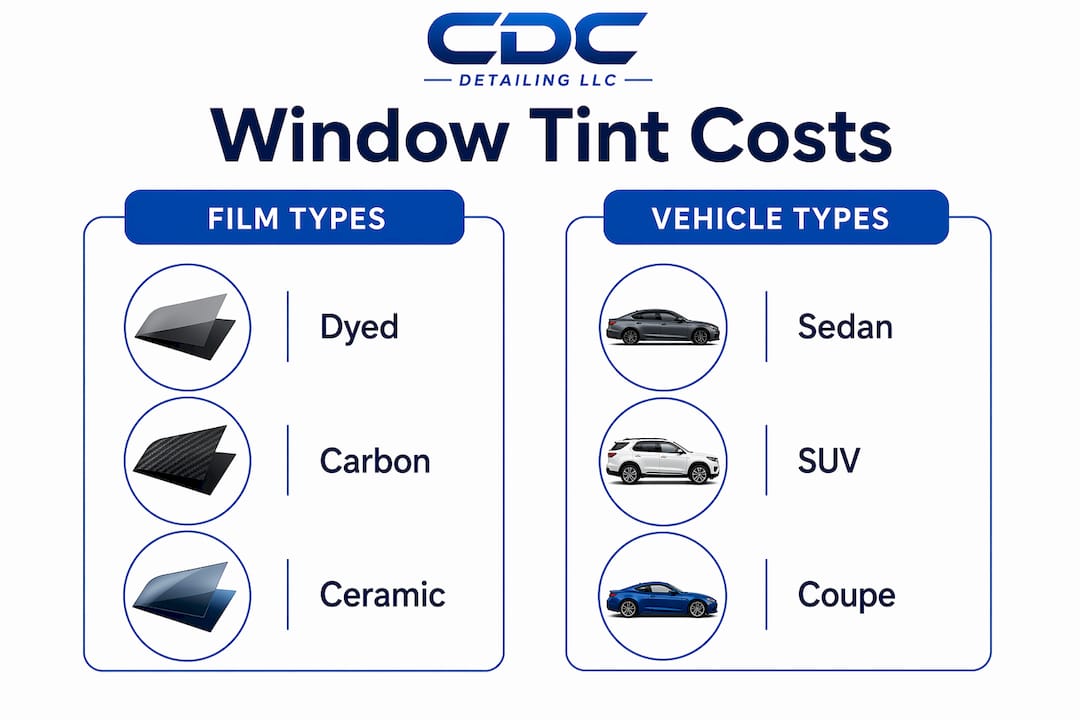
The cost of window tint spans a wide range because film technology varies dramatically. Dyed films sit at the low end, while ceramic and nano-ceramic films command the highest prices due to their performance advantages.
Here is a breakdown of the five main film categories available in 2026:
| Film Type | Typical Price Range | Heat Rejection | Lifespan | Signal Interference |
|---|---|---|---|---|
| Dyed | $150–$250 | Low | 3–5 years | None |
| Metallic | $200–$400 | Moderate | 5–10 years | Yes |
| Carbon | $300–$500 | Good | 10+ years | None |
| Ceramic | $400–$700 | Up to 80% IR | Lifetime | None |
| Nano-ceramic | $500–$800+ | Superior | Lifetime | None |
Ceramic film provides up to 80% infrared heat rejection with lifetime durability and no interference with GPS, cell signals, or keyless entry. That combination makes it the top choice for South Jersey drivers who spend long hours in the car during hot summers. Dyed films cost less upfront but fade faster and offer minimal heat protection, meaning you pay again sooner.
Carbon film sits in a practical middle ground. It rejects heat well, lasts over a decade, and costs less than ceramic. For a vehicle you drive occasionally, carbon or ceramic tint both outperform dyed films by a wide margin.
Pro Tip: Ask your installer for the specific film series name and manufacturer before agreeing to a price. Two quotes for “ceramic tint” can differ by $200 or more based on the actual product used.
How does vehicle type affect window tinting prices?
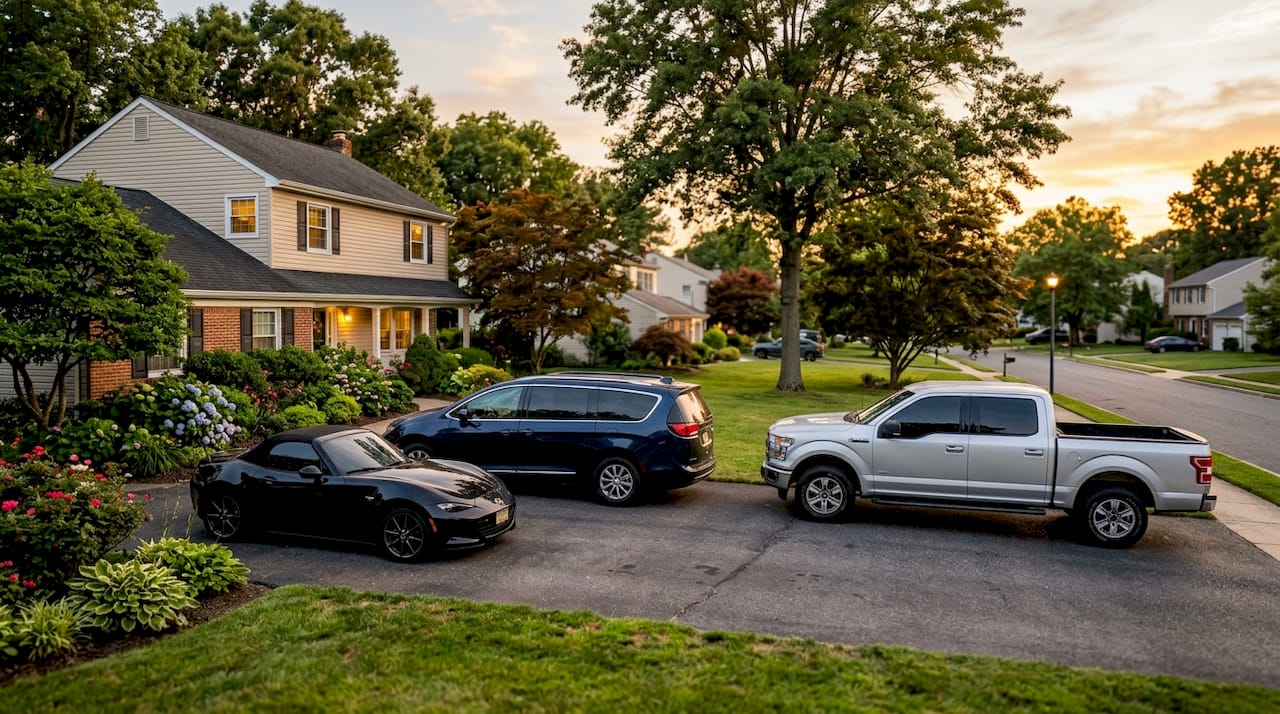
Vehicle size and glass complexity directly raise both material costs and labor time. SUVs and trucks cost 25–40% more than sedans to tint because they have more glass area and often feature curved or panoramic windows.
| Vehicle Type | Typical Price Range | Installation Time |
|---|---|---|
| Coupe / 2-door sedan | $150–$350 | 1–2 hours |
| Standard sedan | $200–$450 | 2–3 hours |
| SUV / crossover | $250–$600 | 3–4 hours |
| Truck / minivan | $300–$700 | 3–4 hours |
| Luxury / exotic | $500–$800+ | 4–5 hours |
Complex vehicle window shapes increase labor time by 20–40%, which shows up directly in the final invoice. A standard sedan with flat side windows takes roughly two hours to tint. An SUV with a panoramic sunroof and rear quarter glass can take twice as long, and that extra labor adds up fast.
Panoramic sunroofs deserve special attention. They require larger film cuts, more precise heat forming, and careful edge sealing. Installers who rush this step leave bubbles and lifting edges within months. When you choose window tinting for an SUV or truck, budget for the higher labor cost and verify the installer has experience with your specific vehicle model.
Pro Tip: Tell your installer the exact year, make, and model before requesting a quote. Vague quotes based on vehicle class often miss the complexity of specific glass configurations.
What additional services impact window tinting cost?
The window film installation price you see advertised rarely includes every service you may need. Several add-ons are either required or strongly recommended, and they can add $50 to $350 to your total.
Common additional costs include:
- Old tint removal: Removing existing tint costs $50 to $200 depending on adhesive condition and window count. Skipping professional removal risks damaging factory glass and rear defroster elements.
- Per-window removal rate: Cost per window runs $15 to $30, with hardened or layered adhesive driving labor time higher.
- Windshield tinting: A full windshield tint costs $150 to $350. New Jersey law restricts front windshield tinting to a non-reflective strip above the AS-1 line, so legal compliance is non-negotiable here.
- Sunroof tinting: Expect $75 to $200 for a standard sunroof, more for panoramic glass.
- Sun visor strips: These decorative strips above the windshield typically cost $50 to $100 and are often quoted separately.
Proper film removal requires specialized tools and technique. Adhesive left on the glass causes new film to bubble and peel within weeks. Professional removal protects your investment in the new film. Always ask whether removal is included in the quote or billed separately.
New Jersey window tinting laws set specific Visible Light Transmission minimums for each window position. Front side windows must allow at least 35% light transmission. Violating these limits results in fines and a required re-tint, which doubles your cost.
How to evaluate window tinting cost vs. quality for best value?
Price differences between quotes mostly reflect film quality, not labor rates. Two shops quoting $200 versus $600 for the same vehicle are almost certainly installing very different films. Understanding this protects you from making a decision based on the wrong variable.
Use these criteria when comparing quotes:
- Verify the film series. Ask for the manufacturer name and product line. Reputable brands publish performance specs including infrared rejection rates and warranty terms.
- Check the warranty. Quality ceramic films carry lifetime warranties against bubbling, peeling, and color change. Budget films often offer one to three years.
- Prioritize infrared rejection over darkness. Verified infrared rejection performance matters more than tint shade for heat protection. A dark dyed film blocks light but lets heat through. A lighter ceramic film can reject far more heat.
- Weigh ROI by vehicle usage. Mid-range carbon films offer strong value for vehicles driven less frequently. Daily drivers in South Jersey summers benefit most from ceramic or nano-ceramic film.
- Choose professional installation. Professional installers use heat-forming tools to achieve bubble-free results and comply with state Visible Light Transmission laws. DIY kits rarely produce clean results on curved glass and void most film warranties.
The average window tint cost nationally falls between $300 and $500 for a full vehicle. South Jersey vehicle owners who invest in ceramic film at the higher end of that range typically avoid re-tinting within five years, making the total cost lower over time.
Key Takeaways
Film type is the primary driver of window tinting cost, and ceramic film delivers the best long-term value for South Jersey vehicle owners facing high UV exposure and hot summers.
| Point | Details |
|---|---|
| Film type drives most of the cost | Film choice accounts for 60–70% of price variation; ceramic costs more but lasts a lifetime. |
| Vehicle size raises labor costs | SUVs and trucks cost 25–40% more than sedans due to larger glass area and longer install times. |
| Add-ons can raise your total significantly | Tint removal, sunroof tinting, and windshield strips add $50–$350 to the base price. |
| Compare film specs, not just price | Two quotes for the same vehicle can differ by $400 based on film quality alone. |
| Professional installation protects your investment | Pros ensure legal compliance, bubble-free results, and valid manufacturer warranties. |
What I’ve learned after years of tinting vehicles in South Jersey
South Jersey summers are genuinely brutal on vehicle interiors. I’ve seen dashboards crack and leather seats fade on vehicles that were only a few years old, all because the owner went with a budget dyed film to save $150 upfront. That decision almost always costs more in the long run, either through a re-tint or interior restoration.
The most common mistake I see is treating window tinting as a commodity. Owners call around, collect quotes, and pick the lowest number without asking what film is actually being installed. A shop quoting $199 for a sedan is not offering the same product as a shop quoting $450. The film series, the warranty, and the installer’s experience are what you are actually paying for.
Ceramic tint is my consistent recommendation for South Jersey drivers. The UV exposure here is high enough that the performance gap between ceramic and carbon is noticeable within the first summer. Ceramic film also holds its color and clarity far longer, which matters if you plan to keep your vehicle for more than five years.
One more thing worth saying plainly: never skip professional old tint removal. I’ve seen glass scratched and rear defroster grids destroyed by improper removal. The $50 to $100 you save by doing it yourself can turn into a $300 glass repair. It’s not worth the risk.
— Charles
Cdcautodetailing’s window tinting services in South Jersey
Cdcautodetailing serves vehicle owners across South Jersey with professional mobile window tinting, bringing the installation directly to your location in Pitman and surrounding areas.
The team at Cdcautodetailing installs ceramic and carbon film options priced within the ranges covered in this guide, with full transparency on film specs before you commit. Every installation includes proper surface preparation and legal compliance with New Jersey Visible Light Transmission requirements. If you have existing tint that needs removal, that service is handled with the right tools to protect your glass and defroster elements. For a full picture of what professional tinting includes alongside other vehicle care options, the window tinting guide covers the complete process. Ready to book? Visit how to book mobile detailing to schedule your appointment.
FAQ
How much does window tinting cost for a standard sedan?
A standard sedan typically costs $200 to $450 for a full window tint, with the final price depending on film type. Ceramic film pushes toward the higher end of that range.
Does a darker tint percentage mean better heat protection?
No. A 20% tint is darker than 35% and blocks more light, but heat rejection depends on film technology, not darkness. A lighter ceramic film can reject far more heat than a dark dyed film.
What is the average window tint cost for an SUV?
SUVs typically cost $250 to $700 to tint, running 25–40% more than sedans due to larger glass area and longer installation times.
Is professional window tinting worth the cost over DIY?
Professional installation delivers bubble-free results, valid film warranties, and legal compliance with state Visible Light Transmission laws. DIY kits rarely achieve clean results on curved glass and typically void manufacturer warranties.
What does old tint removal add to the total cost?
Old tint removal adds $50 to $200 to the total, depending on adhesive condition and the number of windows. Skipping professional removal risks scratching glass and damaging rear defroster elements.