
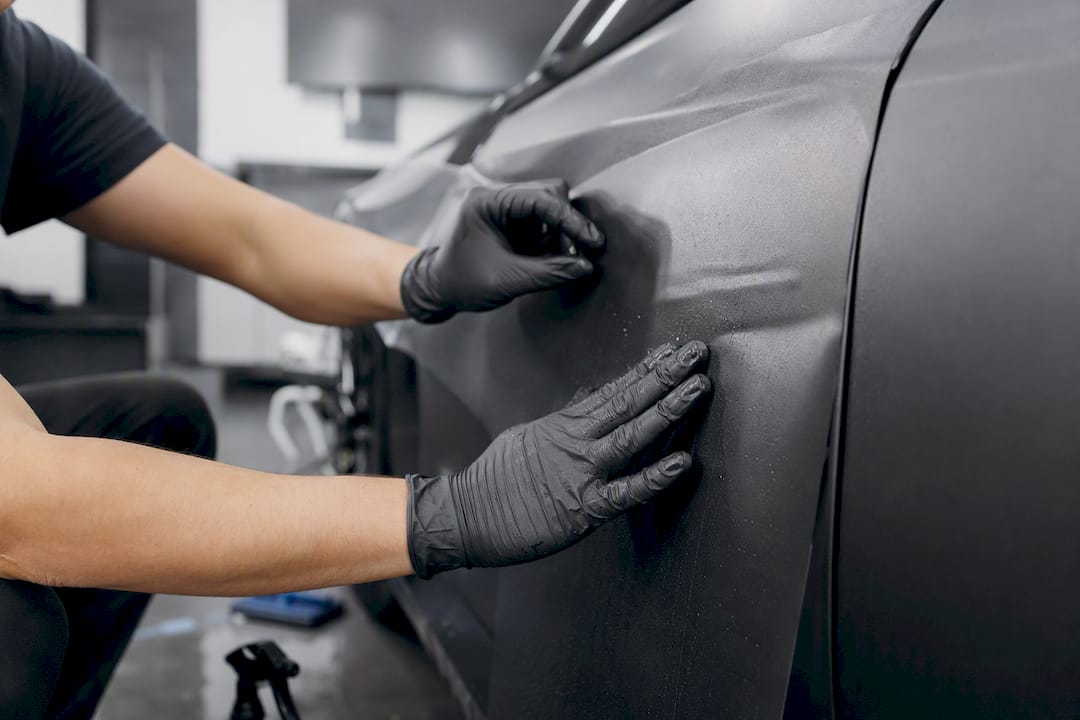
Yes, you can put PPF on matte paint, but only if it’s matte-specific film. Standard gloss paint protection film will turn a satin factory finish shiny, which defeats the entire reason someone chooses matte paint in the first place. Manufacturers like Feynlab, STEK, 3M, Madico, and Solar Gard all make dedicated matte or satin PPF lines built to protect without adding shine.
Three things matter more than anything else here:
- Choose a matte or satin-rated film, never a gloss product, for factory matte panels
- Stop polishing or waxing matte paint entirely once you understand it can’t be corrected like gloss can
- Book a professional installer with documented matte PPF experience, since patterning and edge work show more on satin surfaces
Feynlab’s matte PPF line, for example, carries a 10-year structural and 4-year cosmetic warranty on its ceramic-topcoat film, a sign of how mainstream and durable this category has become.
Key Takeaways
Preserving a factory matte finish requires matte-specific PPF, matte-safe cleaning habits, and a professional installer experienced with satin films rather than gloss techniques.
| Point | Details |
|---|---|
| Use matte-specific film only | Gloss PPF will add shine to a matte finish; brands like Feynlab, STEK, and 3M make dedicated matte lines. |
| Never polish matte paint | Polishing compounds permanently alter the flat texture and can’t be undone. |
| Hire an experienced installer | Ask about matte film brand, warranty terms, and prior factory matte project history. |
| Clean with matte-safe products | Skip waxes, sealants, and gloss enhancers; use pH-neutral shampoo and soft microfiber towels. |
| Book Cdcautodetailing for installation | Cdcautodetailing offers mobile matte PPF installation across South Jersey with a documented inspection-to-QC workflow. |
Table of Contents
- What Is Matte PPF and How Does It Differ From Gloss Film?
- When Should You Choose Matte PPF Over a Wrap or Ceramic Coating?
- How Is Matte PPF Installation Different From Standard PPF?
- How Do You Clean Matte Paint Once PPF Is Installed?
- What Are the Limits and Cost Factors of Matte PPF?
- What Does a Professional Matte PPF Installation Actually Look Like?
- When I Choose Matte PPF
- Protecting Your Matte Finish Starts With the Right Installer
- Sources
What Is Matte PPF and How Does It Differ From Gloss Film?
Matte PPF is a paint protection film with a textured or specially engineered topcoat that scatters light instead of reflecting it in a sharp, glossy pattern. That topcoat is the entire trick: the base film underneath works the same way gloss PPF does, but the surface finish is formulated to match or replicate a satin look rather than add depth and shine.
The features that separate a good matte film from a mediocre one come down to three specs: self-healing capability (does light marring disappear with warmth?), hydrophobic performance (does it shed water and grime, or trap it?), and thickness paired with conformability around curves and body lines.
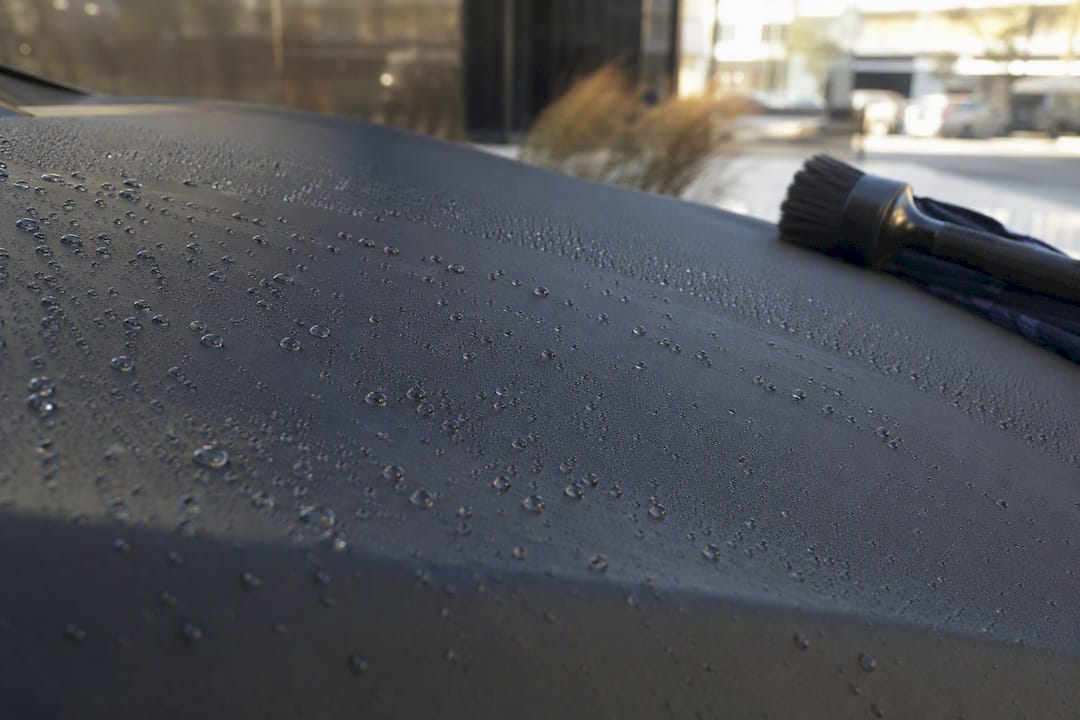
Several manufacturers have staked out this category with real depth of engineering. Feynlab PPF Flex Matte runs 7.6 mil thick with a ceramic-based topcoat, heat-activated self-healing, and over 200% elongation for wrapping tight curves. STEK’s FORCESHIELDmatte offers an 8 mil satin film with up to a 10-year warranty, rock-chip resistance, and an anti-contaminate surface. 3M’s Scotchgard Pro Series 200 Matte brings the installer-friendly adhesive engineering 3M is known for, designed to reduce visible lift lines and adhesive marks. Madico’s Protekt Satin Matte claims compatibility with both gloss and factory flat paints, plus a tack adhesive meant to keep edges secure. Solar Gard’s Clearshield Pro Matte leans on a hydrophobic matte topcoat with reversible removal, so the film comes off clean without altering the paint underneath.
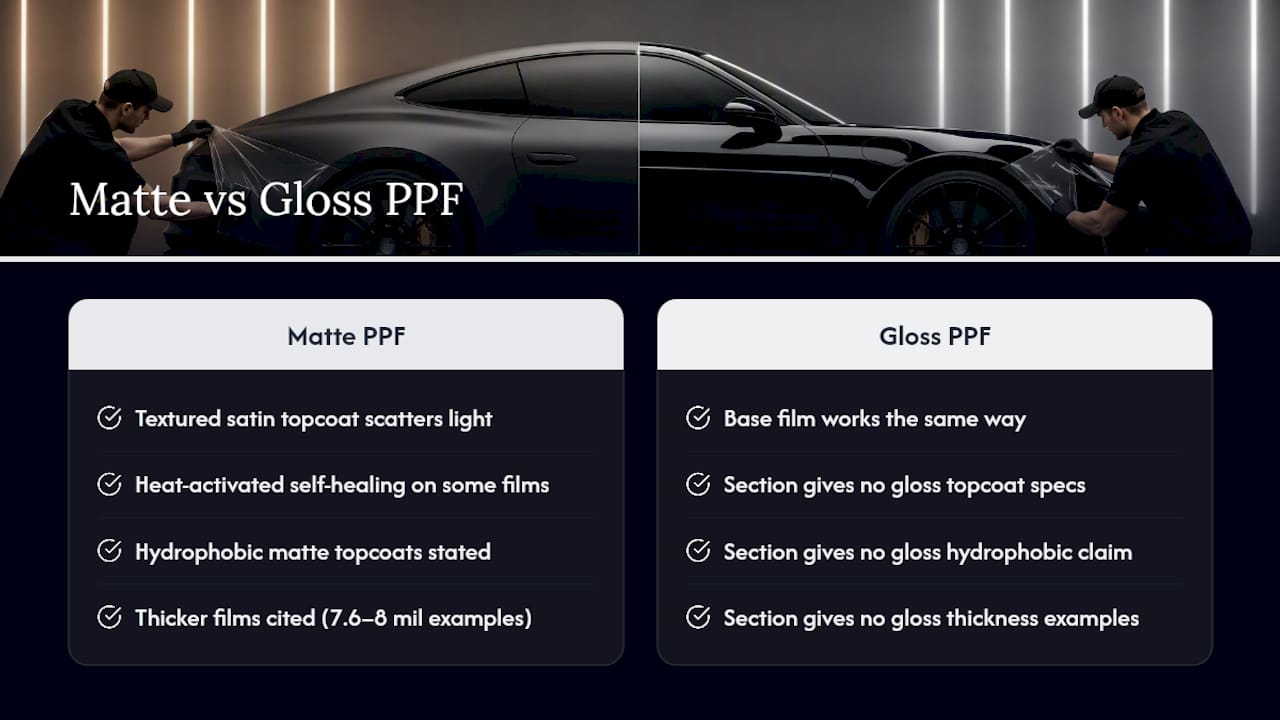
The common thread: none of these films are simply gloss PPF with a dull filter slapped on. They’re formulated specifically to hold a satin look for years, not weeks.
When Should You Choose Matte PPF Over a Wrap or Ceramic Coating?
Factory matte paint puts you in a tighter box than gloss paint does. You can’t buff out a swirl mark, you can’t polish away a water spot, and every bit of road film shows up more obviously against a flat surface than it would on a reflective one. That’s why bare matte paint tends to look tired faster than gloss paint does, even with careful washing.
Here’s how the three main protection strategies stack up for a matte car:
- Matte PPF protects against rock chips, swirls, and staining while preserving the factory look, and it’s fully reversible if you ever want to sell the car or switch finishes.
- Vinyl wrap changes the look more dramatically and can work on gloss paint you want to convert to matte, but wraps carry their own removal risks and aren’t marketed as long-term rock-chip protection the way PPF is.
- Ceramic coating adds gloss and hydrophobic benefits on gloss paint, but on matte finishes it isn’t a substitute for film. It won’t stop a stone chip, and some ceramic formulas can subtly alter the flat sheen owners specifically wanted.
If you drive daily, rack up highway miles, or live somewhere with heavy road salt or gravel, matte PPF on the front bumper, hood, fenders, and mirrors covers the highest-impact zones. Full-body coverage makes sense if you want to stop worrying about the finish entirely. Partial coverage is a reasonable compromise for a garage-kept car that only sees occasional exposure.
How Is Matte PPF Installation Different From Standard PPF?
Prep work on matte paint starts before the film ever touches the car. An installer needs to confirm the paint type first, since some “matte” wraps are actually vinyl over factory gloss, which changes the surface prep entirely. Washing has to be matte-safe: no polishing compounds, no clay bar techniques borrowed from gloss correction, and no abrasive pads that can burnish a shine into the paint before the film even goes on.
Installation technique diverges from gloss PPF in a few specific ways:
- Adhesive selection matters more, since a film with the wrong tack can lift at edges on textured matte surfaces over time
- Edge sealing has to be tight, because a poorly sealed edge on matte paint is far more visible than the same edge on gloss
- Heat management during install has to stay controlled, since excess heat can affect the matte topcoat’s texture and inadvertently add sheen where none was wanted
- Panel patterning needs planning to avoid seams landing where the eye naturally travels across a flat surface
Before booking anyone, ask which specific matte film brand they install, whether they’ve done factory matte vehicles before (not just gloss-to-matte wraps), and exactly what the warranty covers for cosmetic issues versus structural failure. Reviewing an installer’s documented workflow before your appointment tells you a lot about how carefully they handle the process.
Pro Tip: Ask to see a completed matte PPF job in person, not just photos. Sheen changes and edge lift are far easier to spot under natural light than in a phone camera.
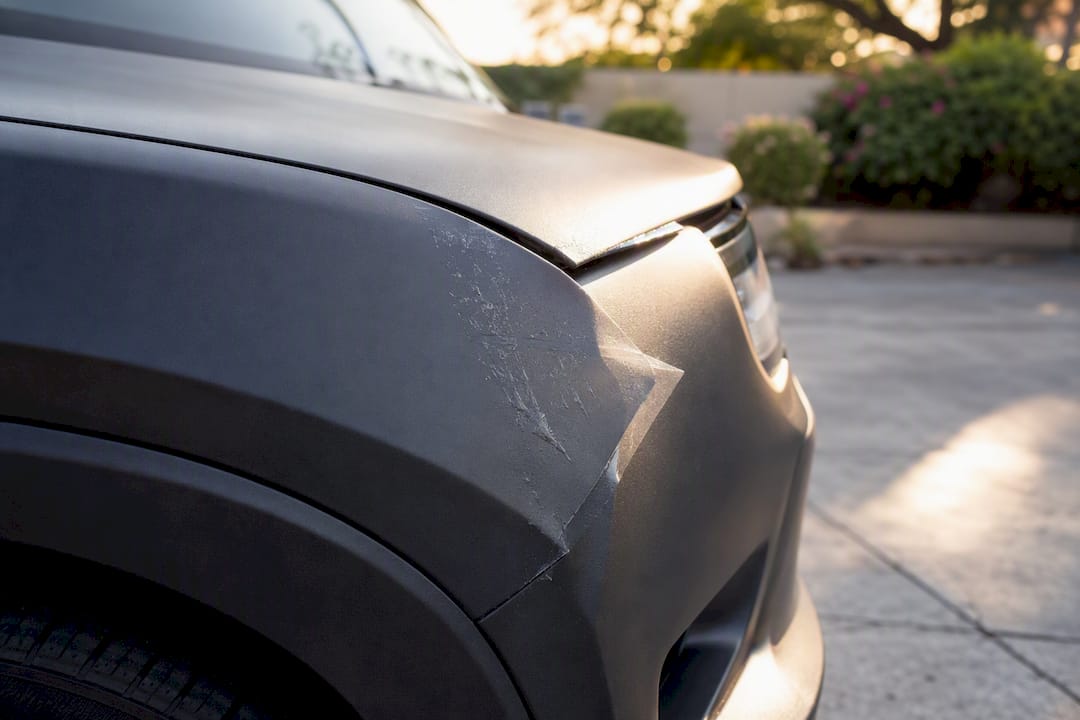
After installation, watch for shiny patches where the film catches light differently than the surrounding panel, visible adhesive residue along edges, or any lifting at panel gaps. A reputable shop will address these under warranty rather than blaming the paint.
How Do You Clean Matte Paint Once PPF Is Installed?
Maintenance on matte PPF isn’t complicated, but it does require breaking a few habits that work fine on gloss cars.
- Wash with a pH-neutral, matte-specific shampoo using the two-bucket method, keeping grit out of your wash mitt between passes.
- Dry with a soft microfiber towel using blotting motions rather than dragging, which prevents streaking on the flatter surface.
- Remove bug splatter or tar with a dedicated matte-safe remover, letting it dwell rather than scrubbing, since scrubbing is what burnishes shine into a flat topcoat.
- Use warm water or gentle sun exposure to help self-healing topcoats reflow and erase light scuffs, but leave deep scratches or gouges to a professional rather than trying to force a fix with heat.
The products to keep far away from matte PPF: any polish, wax, sealant, or gloss-enhancing spray. These are formulated to fill in surface texture and add reflection, which is precisely the opposite of what a matte finish needs. Even a “quick detailer” marketed as universal can leave a matte panel looking patchy if it wasn’t formulated with flat finishes in mind. If you’re weighing matte-compatible coatings on top of film, a ceramic coating on matte paint needs the same scrutiny.
What Are the Limits and Cost Factors of Matte PPF?
Matte PPF won’t fix paint that’s already damaged underneath, and it can’t erase orange peel texture baked into the factory clear coat. It’s a protective layer, not a repair.
The most common failure modes trace back to two causes: using the wrong cleaning products, which stains or discolors the topcoat, and attempting to polish out a mark, which permanently alters the matte texture in that spot. Edge lift shows up occasionally on poorly prepped installs. Reputable warranties, like Feynlab’s structural and cosmetic coverage, typically address film defects but won’t cover damage from improper aftercare.
Cost scales with a few clear factors: total coverage area (partial front-end coverage versus a full-body wrap), how complex the body panels are to pattern around, the installer’s experience with matte-specific film, and which film grade you choose.
What Does a Professional Matte PPF Installation Actually Look Like?
A proper install follows a sequence that protects both the paint and the finish. Cdcautodetailing’s documented workflow starts with a full paint inspection to confirm surface condition and paint type, moves into matte-safe decontamination and prep, then covers precise patterning before the film goes down and a post-install quality check.
That last step catches problems before you ever drive off, not after you’ve noticed a shiny patch weeks later.
A workflow that inspects, preps without polishing, patterns carefully, and quality-checks after install is what separates a matte finish that lasts from one that turns patchy within a year.
Trust signals worth checking before you commit to any installer: documented service descriptions, transparent pricing FAQs, and real customer reviews. Together they tell you whether a shop actually understands matte-specific work or is just applying gloss techniques to a different film.
When I Choose Matte PPF
Full coverage makes sense for daily drivers and high-mileage cars where rock chips accumulate fast. Partial coverage suits garage-kept vehicles on a budget. The trade-off is straightforward: more coverage costs more upfront but keeps the factory finish reversible and protected for years.
Protecting Your Matte Finish Starts With the Right Installer
Getting matte PPF right isn’t about finding the cheapest film. It’s about finding someone who’s actually installed it on factory matte paint before and knows the difference between satin-safe prep and standard gloss correction. Cdcautodetailing installs matte-specific PPF as a mobile service across South Jersey, which means you skip the drop-off-and-wait routine most shops require and get the inspection, prep, and install done wherever your car actually sits.

Booking a quote is simple: send a few clear photos of your car’s current finish, note whether it’s factory matte or an aftermarket wrap, and flag any existing swirl marks or chips you want addressed. That lets the team recommend full or partial coverage before anyone shows up. Review the PPF service details for coverage options, or check the installation workflow to see exactly how the process runs from inspection to final quality check. Reach out today to get a quote scheduled and lock in a date before your next long drive adds more chips to an unprotected hood.
Sources
These pages verify the product specs, warranty terms, and installation process referenced above:
- FORCESHIELDmatte PPF | STEK USA
- Scotchgard™ Paint Protection Film Pro Series 200 Matte, 20024M | 3M United States
- Clearshield Pro Matte | Solar Gard