
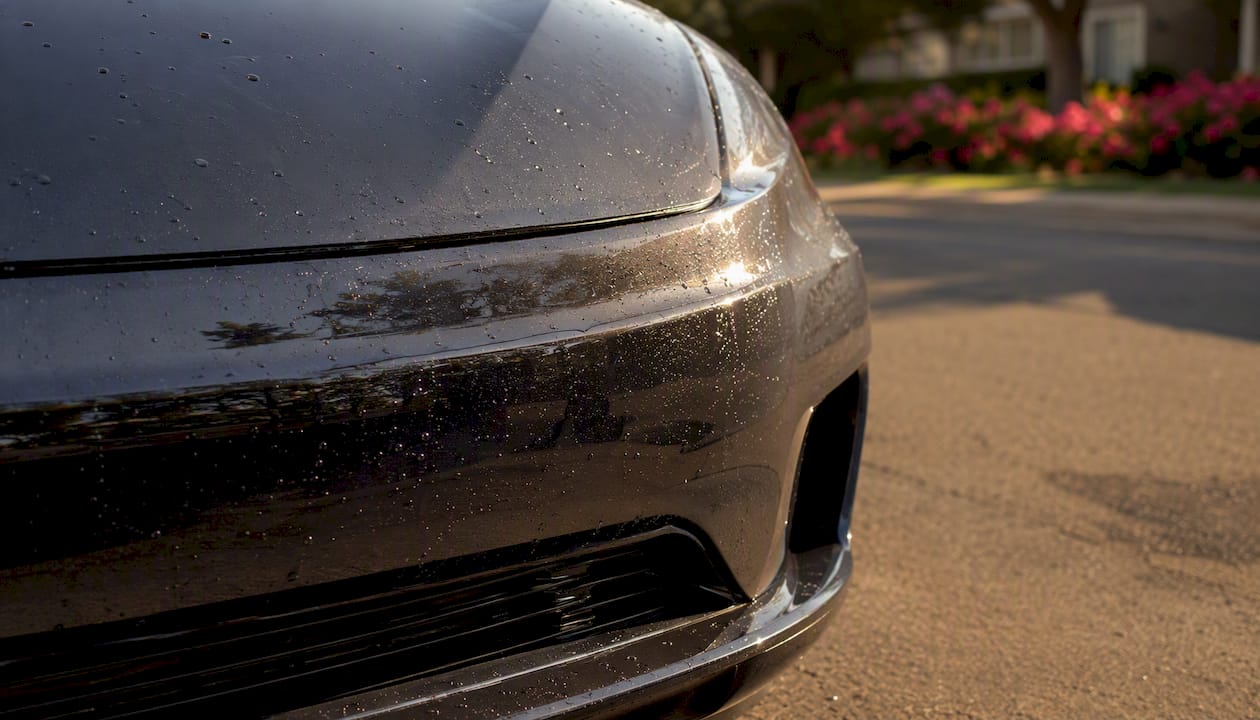
Paint protection film on your front bumper, hood, mirrors, and fenders is the single most effective way to prevent rock chips. Pair that with better driving habits and you cut your risk twice over, since PPF is the only product actually designed to absorb an impact rather than just resist chemicals or scratches.
Three things you can do this week, before you spend a dollar on protection: leave a longer gap behind trucks and gravel haulers, avoid tailing vehicles through construction zones when you can change lanes safely, and walk your front end after any highway trip to catch fresh chips before they rust. Ceramic coatings, windshield stone-guard film, and mud flaps all help too, but think of them as the supporting cast. PPF is the lead.
Key Takeaways
Preventing rock chips comes down to one layered strategy: physical film on high-impact panels, defensive driving to reduce debris exposure, and prompt repair of any damage that slips through.
| Point | Details |
|---|---|
| PPF on high-impact zones first | Cover the front bumper, hood, and mirrors before anything else, since these panels absorb the majority of impacts. |
| Keep a 3-second following distance | Extra space gives debris time to lose momentum before it reaches your paint or windshield. |
| Avoid trucks and construction zones | Dual rear tires and fresh paving throw significantly more loose debris than normal traffic. |
| Pair ceramic coating over PPF, not instead of it | Coating adds gloss and easier cleaning; only film absorbs a physical impact. |
| Repair chips within days | Small chips treated early avoid rust and prevent windshield cracks from spreading. |
| Choose a warranty-backed installer | Cdcautodetailing’s professional PPF and ceramic packages in South Jersey follow prep standards that protect both your paint and your warranty coverage. |
Recommended Reading on Rock Chip Prevention and Paint Protection
- How to Avoid and Prevent Rock Chips: Solid grounding in defensive driving and debris-risk fundamentals.
- How to Protect Your Car from Rock Chips: 5 Proven Methods: Technical background on PPF thickness, self-healing topcoats, and temporary protection options.
- Best Ceramic Coatings Tested: Independent testing on what ceramic coatings actually protect against.
- Best Ceramic Coating Tested: Comparative performance data on coatings versus wax for washability and contaminant resistance.
- Best Paint Protection for New Car: Your 2026 Guide: Practical framing for full-front versus selective PPF coverage decisions.
- Paint Protection Film vs Ceramic Coating: What’s Best?: Detailed look at why professional installation conditions affect adhesion and warranty eligibility.
- Tips for Preventing Rock Chips When on the Highway: Covers how road conditions like construction and wet weather change debris behavior.
Table of Contents
- What Causes Rock Chips and Which Areas Take the Worst Hits?
- Which Product Actually Stops Rock Chips: PPF, Ceramic, or Something Else?
- Where Should You Install Protection First?
- How Do Driving Habits and Maintenance Cut Your Risk?
- Should You DIY Your Paint Protection or Hire a Professional?
- When Should a Chip Get a Touch-Up, a Repair, or a Full Replacement?
- How Does a Professional Installer Actually Prep and Protect a Vehicle?
- Ready to Protect Your Car Before the Next Road Trip?
- Frequently Asked Questions
- Sources
What Causes Rock Chips and Which Areas Take the Worst Hits?
Rock chips come from debris thrown by tires, not from rocks falling out of the sky. A pebble kicked loose by the tire ahead of you travels at a fraction of your combined speed, and at highway velocity that is enough force to crack a windshield or gouge factory paint down to bare metal.
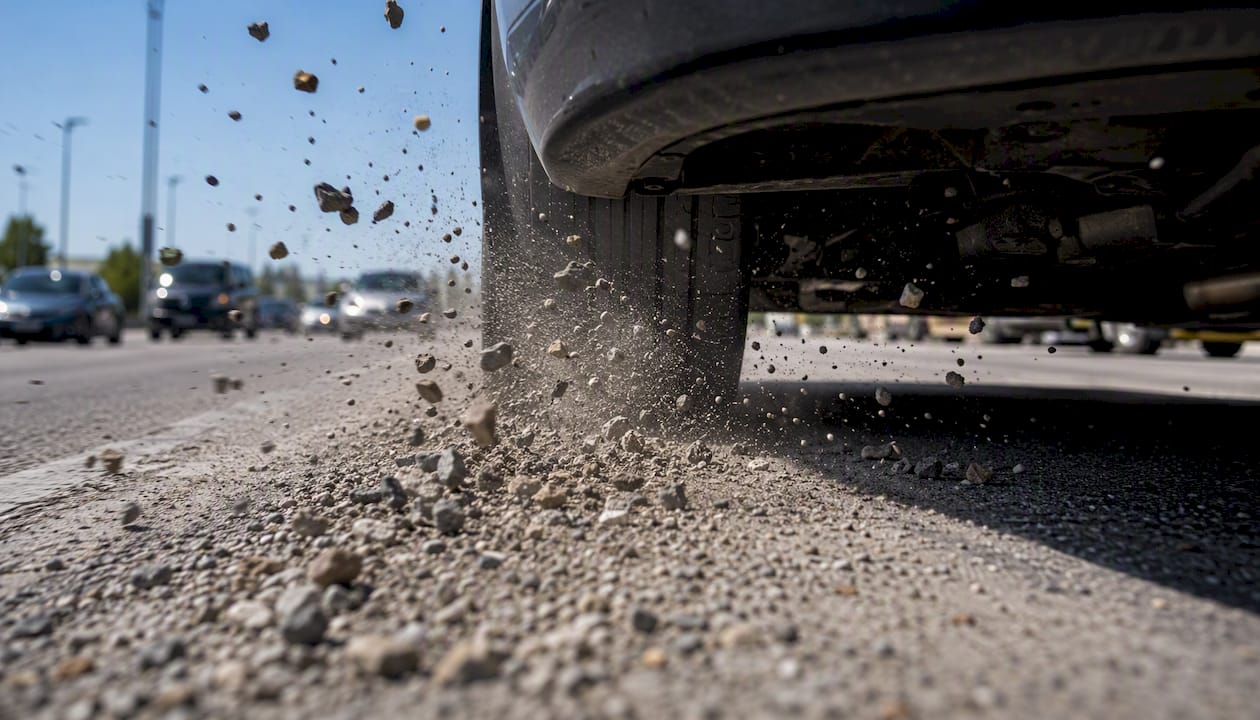
Certain conditions make it worse. Loose gravel on rural roads, fresh chip-seal paving, and construction zones all multiply the amount of loose material your tires and everyone else’s are throwing around. Wet roads change how that debris behaves too, since water can fling grit further and carry it into gaps your tires would otherwise avoid.
Some areas of your car simply catch more of this than others:
- Front bumper and lower grille: the first point of contact, absorbing the majority of low-angle debris
- Hood leading edge: takes hits kicked up from the vehicle directly ahead
- Side mirrors: exposed and forward-facing, especially vulnerable on the highway
- Fenders and rocker panels: catch debris thrown sideways from your own tires
- Windshield: the most commonly damaged surface on any vehicle, thanks to its angle and exposure
- Door edges near the front wheels: often overlooked until paint chips accumulate
Following a truck with dual rear tires is one of the riskiest positions on the road, particularly if it’s missing mud flaps. Passing over fresh asphalt patchwork right after a paving crew leaves is another moment worth extra following distance, since loose aggregate hasn’t settled into the surface yet.
Which Product Actually Stops Rock Chips: PPF, Ceramic, or Something Else?
Not every “protection” product does the same job, and this is where a lot of vehicle owners get burned. Some products protect against chemical staining and UV fade. Only one protects against a physical impact.
Paint Protection Film (PPF), sometimes called clear bra, is a urethane film typically 8 to 10 mils thick, or about 200 microns, applied directly over factory paint. That thickness matters because it gives the film enough body to absorb an impact instead of transferring it straight to your clear coat. Most modern PPF also carries a self-healing topcoat that uses heat, either from the sun or a heat gun, to smooth out light swirls and fine scratches. It’s the only product on this list actually engineered to stop a rock chip.
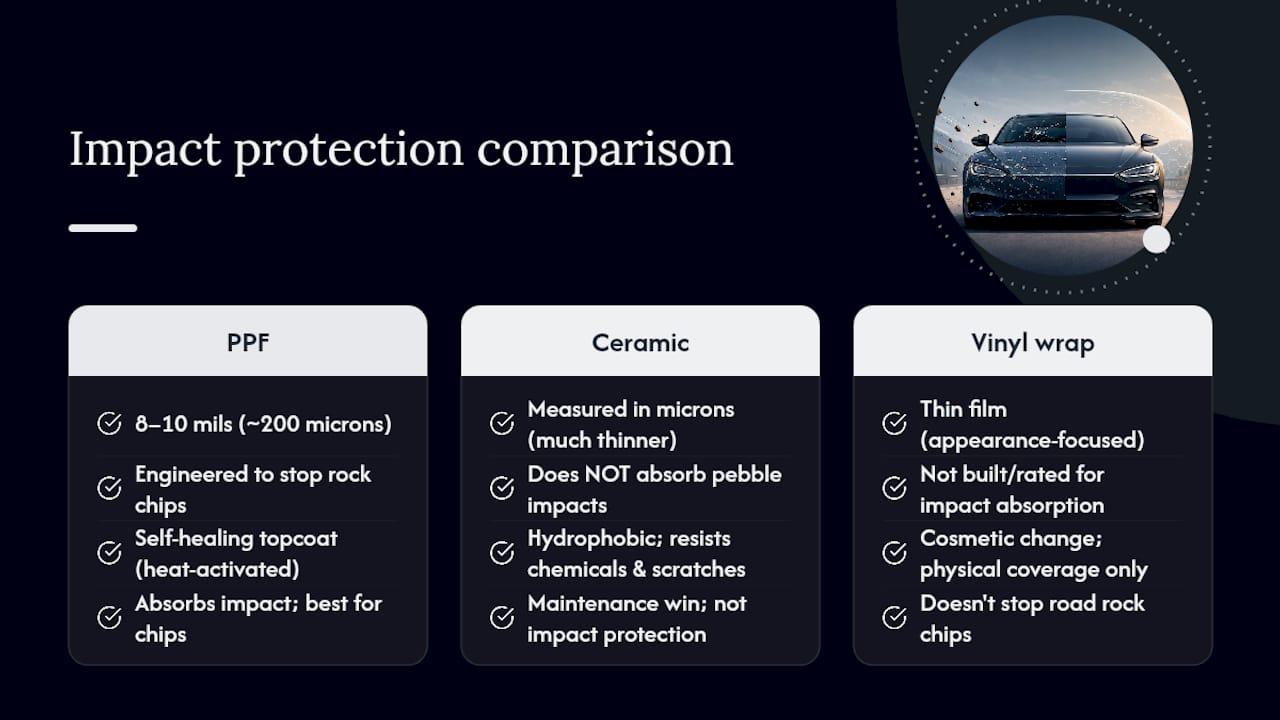
Ceramic coatings are a different animal entirely. They bond to your paint at a molecular level and deliver genuine benefits: strong hydrophobic performance, resistance to chemical etching, and protection against fine microscratches. But a ceramic coating is measured in microns, not mils, and no coating that thin can absorb the force of a pebble hitting your bumper at 65 miles per hour. Independent testing consistently shows ceramic sprays outperform wax for washability and contaminant resistance, but that’s a maintenance win, not an impact-protection win.
Vinyl wraps change your car’s appearance and offer a thin layer of physical coverage, but they’re not built or rated for impact absorption the way PPF is. They solve a cosmetic problem, not a rock-chip problem.
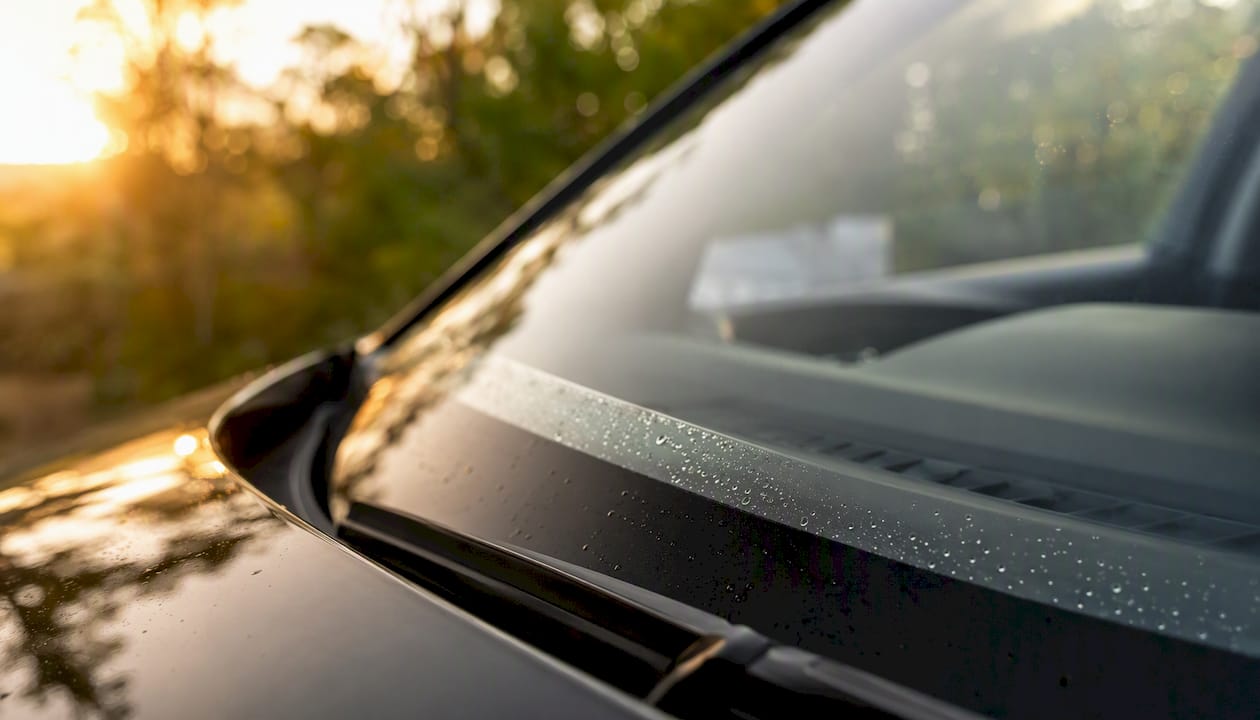
Windshield or stone-guard film works on the same principle as PPF but for glass. It’s a clear film applied to the windshield’s lower third, where most chips originate, and it can prevent a small chip from becoming a crack that requires full replacement. It’s not a substitute for proper windshield repair once damage occurs, but it meaningfully lowers how often you need that repair in the first place.
Mud flaps, splash guards, and door-edge guards are the low-tech option. They won’t stop a chip from a passing vehicle, but they cut down on debris your own tires throw back at your rocker panels and rear quarter panels.
Where Should You Install Protection First?
If you can’t cover the whole car right away, protect in this order:
- Front bumper and hood — these take the most direct hits and the highest repair costs if left bare.
- Side mirrors and fenders — next in line for exposure, especially on highway-heavy vehicles.
- Door edges and rocker panels — lower priority but worth adding once budget allows, since these accumulate small chips over years of ownership.
How much coverage you need depends on how you drive. A highway commuter racking up 25,000 miles a year behind trucks and trailers benefits from full-front PPF coverage, which typically means the bumper, hood, fenders, and mirrors as one connected package. A city driver who rarely leaves 35 mile per hour surface streets can often get away with partial coverage limited to the bumper and hood, since impact speeds and debris volume are lower.
Think of the cost trade-off this way: a full-front PPF package runs several hundred to a couple thousand dollars depending on your vehicle’s size and the installer’s pricing, paid once. A single respray to fix chipped paint on a hood, by comparison, frequently costs more than that partial coverage would have, and that’s before you factor in matching factory clear coat and blending panels. Protection is a bet you place once. Repairs are a bet you keep losing.
How Do Driving Habits and Maintenance Cut Your Risk?
Distance is free protection. Maintaining at least a 3-second following distance gives debris time to lose momentum before it reaches your windshield or bumper, and it gives you more room to react if something bigger than gravel comes off a truck bed.
A few habits make a real difference over the life of your car:
- Avoid tailing trucks with dual rear tires, which throw significantly more debris than a standard passenger vehicle
- Change lanes around construction zones and paving crews rather than following directly behind them
- Slow down noticeably on gravel or unpaved rural roads, where every passing vehicle kicks up loose material
- Watch for missing or damaged mud flaps on the vehicle ahead of you as a warning sign to back off further
Maintenance matters just as much once you’ve invested in protection. Coated and filmed vehicles need gentler care than bare paint. Skip high-pressure spray directly at PPF edges, since forced water can work under the film and cause lifting over time. Stick to pH neutral car shampoo rather than harsh degreasers, which can strip a coating’s hydrophobic layer faster than expected. If you’re maintaining ceramic-coated panels, a regular maintenance routine keeps that gloss and slickness performing the way it should, and winter driving adds its own demands, which is why seasonal care for coated vehicles is worth a separate look before road salt season hits.
Pro Tip: If you’re taking a one-off long highway trip and don’t have PPF installed, temporary track tape or a magnetic hood bra on the leading edges is genuinely worth the twenty minutes it takes to apply. It’s not a permanent fix, but for a single road trip through unfamiliar territory, it beats bare paint every time.
Should You DIY Your Paint Protection or Hire a Professional?
DIY PPF kits are tempting because the price looks appealing on paper, often a few hundred dollars for a hood and bumper kit versus $600 or more for the same coverage installed by a shop. The catch shows up later.
Common DIY failure points include edge lift, where the film peels back at panel edges within months because it wasn’t heat-stretched and tucked properly. Silvering, a hazy white discoloration that appears when air gets trapped under the film, is another frequent issue, along with trapped dust and debris that show up as bumps under the surface the moment sunlight hits it at the wrong angle.
Professional installation solves these problems at the source. Installing in a dust-controlled environment with proper paint correction and decontamination beforehand gives the film better adhesion and dramatically lowers the odds of edge lift down the road. It also matters for your wallet in a way that’s easy to overlook: most manufacturer and installer warranties on PPF require professional installation to remain valid. A DIY install that fails after 18 months has no fallback. A professional install backed by an installer warranty does.
If you’re the hands-on type and want to understand the process regardless of who ends up doing the work, a PPF installation walkthrough for DIYers is worth reading before you commit either way.
When Should a Chip Get a Touch-Up, a Repair, or a Full Replacement?
Not every chip needs a shop visit. A pinpoint chip smaller than a pencil eraser that hasn’t broken through to bare metal usually just needs a dab of touch-up paint and a clear coat pen to seal it against moisture and rust. Do this within a few days of noticing it, before oxidation sets in around the edges.
Anything larger than a quarter-inch, anything that’s exposed bare metal, or anything located on a body line or edge where stress concentrates deserves a professional look. Left untreated, these spread and eventually require a full panel respray, which costs far more than an early paint repair would have.
Windshields play by different rules. A chip smaller than a quarter and away from the edge of the glass can usually be repaired with resin injection, often for well under $100. Once a chip sits within a couple inches of the windshield’s edge, or if it’s already spreading into a crack longer than a few inches, replacement becomes the safer call, since edge damage compromises the glass’s structural integrity in a way center-of-glass chips don’t.
Check your insurance policy before booking either repair. Many comprehensive policies cover glass repair with no deductible at all, since insurers would rather pay for a cheap chip repair than a full windshield replacement later. Some policies require you to call before the work happens rather than after, so confirm that detail first. This is general guidance, not a substitute for reading your own policy or talking to your agent about your specific coverage.
How Does a Professional Installer Actually Prep and Protect a Vehicle?
What separates a durable PPF install from one that fails in a year usually comes down to prep work nobody sees once the film goes on.
A proper installation checklist typically includes:
- Full paint correction to remove existing swirls, oxidation, and light scratches before film ever touches the panel
- Complete panel decontamination to strip wax, road film, and residue that would otherwise interfere with adhesion
- Edge wrapping on panel returns rather than cutting film flush, which is one of the biggest predictors of long-term edge lift
- Installation in a dust-controlled space, since a single trapped particle under the film becomes a permanent visible bump
CDC Detailing builds quality checks into every install, inspecting edges and seams under raking light before handover to catch lifting or trapped debris while it’s still fixable, not months later. Warranty terms typically cover adhesion failures like lifting, bubbling, and yellowing, with the understanding that the film needs its full cure time (commonly several days) before exposure to high-pressure washing or extreme heat. Filing a claim generally starts with photos of the affected area and a call to the installer who did the original work.
What Do Owners Get Wrong Most Often About Rock Chip Protection?
The mistake I see repeated most often is treating ceramic coating as a rock chip shield. It isn’t, and no amount of marketing copy from a spray-coating bottle changes the physics involved. A coating that’s a few microns thick cannot absorb what an 8-mil film absorbs, full stop.
The second mistake is assuming full coverage is all or nothing. Most owners don’t need to wrap an entire vehicle in PPF to meaningfully cut their risk. Protecting the bumper, hood, and mirrors covers the overwhelming majority of real-world impact zones, and that’s a decision you can make on a reasonable budget rather than putting it off indefinitely because full coverage feels like too much. If you already have PPF on those zones, adding a ceramic topcoat over the film is a smart move, not because it stops chips, but because it makes the film easier to keep clean and better looking for years. Film handles the impact. Coating handles the upkeep. Neither one replaces the other.
Ready to Protect Your Car Before the Next Road Trip?
Cdcautodetailing installs paint protection film with the same prep standard covered above: full paint correction, panel decontamination, and edge wrapping done in a dust-controlled space, backed by an installer warranty that DIY kits simply can’t match. As a mobile service across South Jersey, we bring that same installation quality to your driveway instead of asking you to build time into your week for a shop visit.

Our most requested setup for rock chip prevention is full-front PPF on the bumper, hood, and mirrors paired with a ceramic coating over the film for easier long-term care, along with windshield stone-guard film for drivers who log serious highway miles. If you’re weighing costs, our breakdown of real-world detailing service examples shows how these packages compare against paying for repairs later. Book a mobile consultation and we’ll walk your vehicle, flag its highest-risk panels, and quote coverage that actually fits how you drive.
Frequently Asked Questions
Does ceramic coating alone prevent rock chips?
No. Ceramic coating protects against chemical stains, UV fade, and microscratches, but it’s only microns thick and can’t absorb the force of a rock impact. PPF is the product built for that job.
How long does paint protection film actually last?
Quality PPF typically lasts 5 to 10 years depending on the product and how well it’s maintained, with self-healing topcoats keeping light scratches looking fresh for much of that span.
Is windshield stone-guard film worth it if I already have a good windshield?
Yes, especially for highway commuters. It won’t stop every impact, but it reduces how often a small chip turns into a crack requiring full replacement.
Can I install PPF myself to save money?
You can, but DIY kits carry real risk of edge lift, silvering, and trapped debris, and most manufacturer warranties require professional installation to stay valid.
Will my insurance cover a windshield chip repair?
Many comprehensive policies cover chip repair with no deductible, since it’s cheaper for insurers than a full replacement later. Check your specific policy or call your agent before scheduling.
Sources
- How to Avoid and Prevent Rock Chips
- Engineerskill
- Best Ceramic Coatings Tested
- Best ceramic coating tested
- Best Paint Protection for New Car: Your 2026 Guide