
TL;DR:
- High-quality car window tinting blocks up to 99% of UV rays, reduces infrared heat, and improves privacy. It also preserves interior materials, enhances safety, and lowers cabin temperature, with performance depending on film type. State laws and proper installation procedures are essential for compliance and durability.
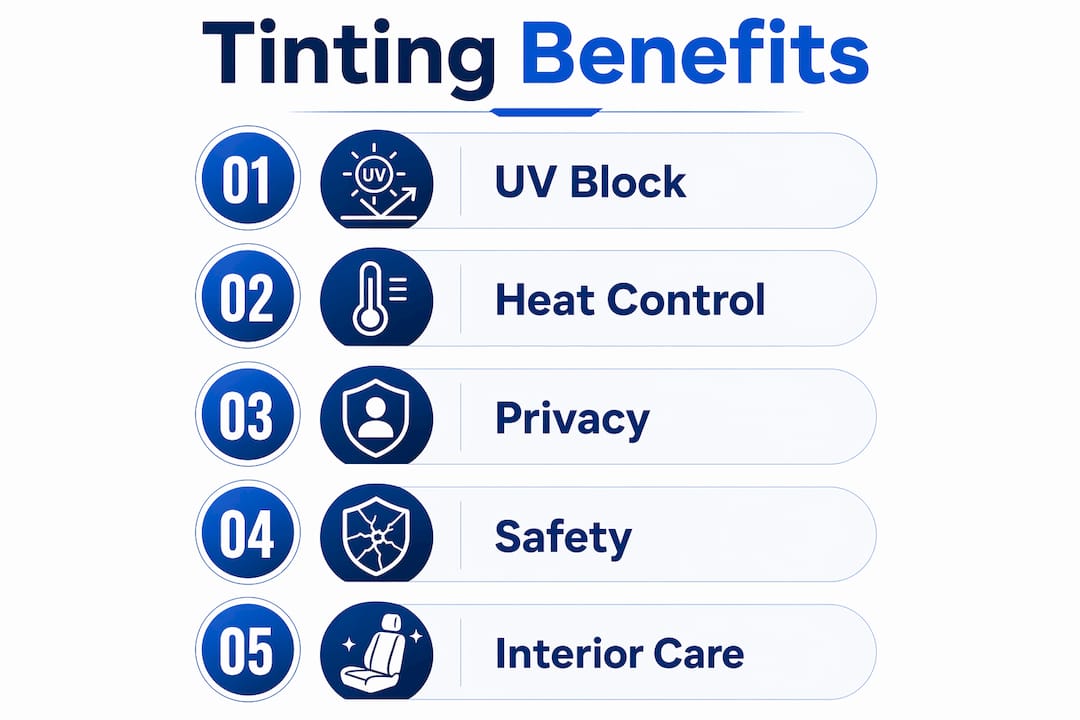
Quality car window tinting reduces cabin heat, blocks harmful UV radiation, improves privacy, and helps protect both occupants and interiors. Those aren’t marketing claims — they’re measurable outcomes backed by manufacturer specs and installer experience. Here’s the short version:
- UV protection: Premium films block up to 99% of UVA and UVB rays
- Heat and IR rejection: Films can reject 35%–95% of infrared rays depending on technology
- Glare reduction: Cuts sun and headlight glare for safer daytime driving
- Interior preservation: Slows UV-driven fading and heat-driven cracking of upholstery and dashboards
- Safety: Film holds shattered glass together during collisions
- Privacy and theft deterrence: Obscures interior sight lines from outside
Two things to check before you buy: your state’s visible light transmission (VLT) limit for each window position, and whether ceramic or carbon film fits your budget better than dyed or metalized options.
Table of Contents
- 1. How tinting protects passengers and interior from UV radiation
- 2. How tint reduces cabin heat: infrared rejection explained
- 3. Privacy benefits and glare reduction — plus the visibility tradeoffs
- 4. How film holds glass and reduces injury risk in a crash
- 5. How tinting preserves interior materials and affects resale value
- 6. Which tint type is right for your car?
- 7. U.S. tint laws, VLT limits, and how to stay compliant
- 8. Cost, DIY vs. professional installation, and what to expect after
- 9. Common drawbacks and when tinting may not be worth it
- 10. What the lab and manufacturer figures actually show
- Key Takeaways
- What installers actually see — and what we recommend
- Cdcautodetailing brings professional window tinting to South Jersey
- Useful sources and further reading
1. How tinting protects passengers and interior from UV radiation
UV exposure inside a car is a real health concern. UVA rays, which penetrate standard automotive glass more readily than UVB, are the primary driver of premature skin aging and contribute to skin cancer risk. Drivers who log significant time behind the wheel accumulate meaningful UV exposure on their left side — the side facing the window.
Premium aftermarket window films can block up to 99% of UVA and UVB rays, according to manufacturer and lab testing data — a level of protection far beyond what standard automotive glass provides on its own.
The same UV energy that affects skin also degrades interior materials. Dashboards crack, leather fades, and plastics discolor faster in vehicles without UV-blocking film. Even a clear UV-rejection film with no visible tint provides meaningful protection, which matters for drivers who want protection without changing the car’s appearance or running into VLT compliance issues.
When you talk to an installer, ask specifically about the UV rejection percentage listed on the product spec sheet, and confirm whether the warranty covers film discoloration or delamination. For a deeper look at what the specs actually mean, UV blocking film details are worth reviewing before you commit to a product tier.
2. How tint reduces cabin heat: infrared rejection explained
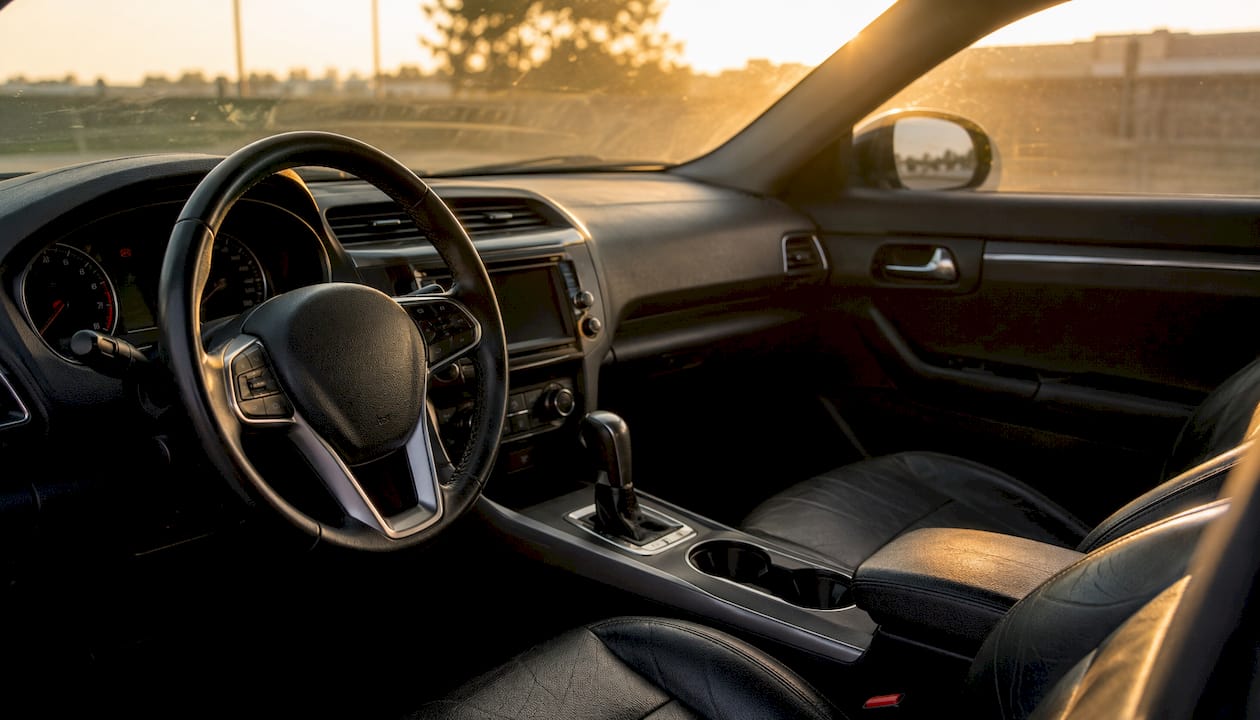
Heat inside a parked car builds fast, and most of it comes from infrared (IR) radiation rather than visible light. That distinction matters because a dark-looking tint doesn’t automatically mean strong heat rejection. IR rejection is the number to watch.
According to Llumar’s automotive film performance data, window films can reject between 35% and 95% of infrared rays, with total-solar-energy (TSE) rejection reaching 60%–70% for top-tier products. Entry-level dyed films sit at the lower end; premium ceramic films push toward the top.
What does that mean in practice?
- A film rejecting 60% of total solar energy can meaningfully lower the temperature of a parked cabin, reducing the time your AC needs to run after you get in
- Less AC load translates to reduced fuel consumption on hot days
- Passengers in the rear seat, often the hottest spot in a vehicle, benefit most from high IR-rejection films on rear side windows
Pro Tip: When comparing products, look for both the IR rejection percentage AND the TSE rejection figure on the spec sheet. A film with high IR rejection but low TSE rejection is only blocking part of the heat equation.
For drivers focused on energy savings from tinting, the TSE figure is the most honest single number for comparing products across brands.
3. Privacy benefits and glare reduction — plus the visibility tradeoffs
Tinted windows make it harder for people outside to see into your vehicle. That’s useful on the road for personal privacy, and when parked, it removes the visual cue that tells an opportunistic thief there’s something worth grabbing on the seat.
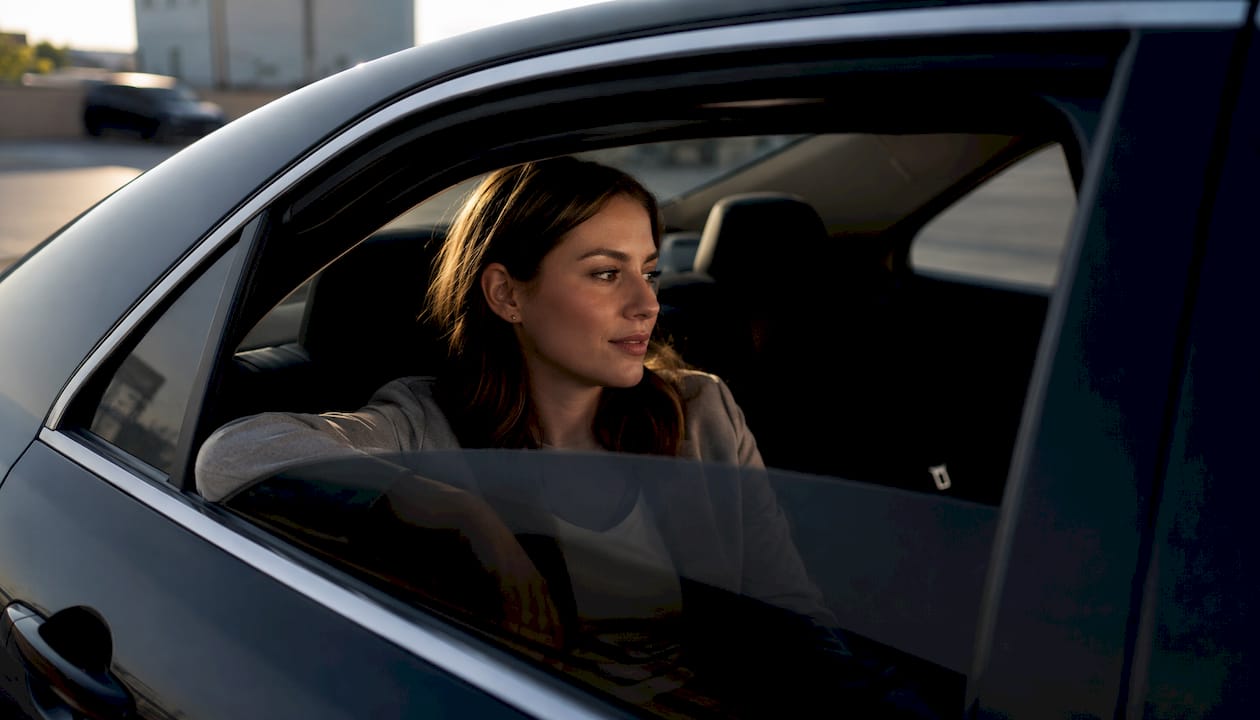
Glare reduction is a separate but equally practical benefit. Sun glare during sunrise and sunset, and headlight glare at night, both contribute to eye strain and slower reaction time. A quality tint cuts that glare without requiring you to squint or reach for sunglasses.
The tradeoff is real, though.
, making night driving more demanding. This isn’t a reason to skip tinting, but it is a reason to choose carefully.
Key points on privacy, glare, and visibility:
- Tints in the 35%–50% VLT range offer good daytime privacy without severely compromising night vision
- Rear windows can typically go darker than front side windows under most state laws, so rear privacy is easier to maximize legally
- Metalized and ceramic films can reduce headlight glare at night, but very dark front side windows create blind spots when checking mirrors or merging
Pro Tip: If you drive frequently after dark, stay at 35% VLT or higher on front side windows. The privacy benefit drops only slightly, but your low-light visibility stays much safer.
4. How film holds glass and reduces injury risk in a crash
Window tint film adds a layer of polyester to the glass surface. In a collision, that layer holds shattered glass together rather than letting it spray into the cabin. Film keeps broken glass intact during accidents, reducing the risk of lacerations from flying shards.
The same property that holds glass together also complicates smash-and-grab theft. A thief who strikes a tinted window finds that the glass doesn’t immediately fall away, which adds seconds to the break-in attempt and often causes them to abandon it.
A few important limits to understand:
- Tint film is not a substitute for laminated safety glass and does not make windows bulletproof
- Thicker security films (typically 8–12 mil) offer more shatter retention than standard 2–4 mil tint films
- The glass-holding effect is most meaningful on side windows, which are tempered and designed to shatter; windshields are already laminated
When requesting installation for safety performance, ask the installer about film thickness and whether the product meets any ANSI or IWFA standards for safety film. Keep the warranty documentation — it matters if you ever need to make a claim.
5. How tinting preserves interior materials and affects resale value
UV radiation and heat are the two biggest enemies of a car’s interior. Leather cracks, fabric fades, dashboards warp, and trim pieces discolor over years of sun exposure. Tinting addresses both causes simultaneously.
By blocking UV rays and reducing the IR energy that heats up surfaces, film slows the degradation of upholstery, carpets, and dashboard materials. A well-maintained interior with minimal fading and cracking is a genuine resale asset. Buyers notice it, and appraisers factor it in.
Practical maintenance steps that protect both the film and the interior:
- Clean tinted windows with ammonia-free cleaners only — ammonia degrades the film adhesive over time
- Avoid abrasive cloths or scrubbing pads on tinted surfaces
- Keep receipts and warranty documentation from the installer; it signals to a future buyer that the tint was professionally applied and is still under coverage
Document the tint warranty and store it with the vehicle’s service records. When you sell, that paperwork is a small but credible signal that the car was cared for. More on the interior preservation benefits of tinting is worth reading if interior longevity is your primary motivation.
6. Which tint type is right for your car?
Not all window film is the same. The five main types differ significantly in performance, cost, and compatibility with modern vehicle electronics.
| Tint Type | UV Blocking | IR/Heat Rejection | Signal Interference | Typical Cost Range | Longevity |
|---|---|---|---|---|---|
| Dyed | Moderate | Low (35% IR) | None | $ (lowest) | 3–5 years |
| Metalized | High | Moderate | Possible | $$ | 5–8 years |
| Carbon | High | Good | None | $$ | 7–10 years |
| Ceramic | Up to 99% | Excellent (up to 95% IR) | None | $$$ | 10+ years |
| Nano-ceramic | Up to 99% | Excellent | None | $$$$ | 10+ years |
Dyed film is the entry-level option. It absorbs solar energy rather than reflecting it, which means it heats up more than other types and can fade over time. It offers no signal interference risk, but heat rejection is limited.
Metalized film reflects heat more effectively and is more durable than dyed film. The drawback is that metal particles can interfere with GPS, cell signals, and keyless entry systems — a real problem in modern vehicles loaded with connectivity features.
Carbon film hits a strong middle ground. It delivers good IR rejection, no signal interference, and a clean matte appearance that doesn’t fade. For most drivers, carbon is the best value-to-performance ratio.
Ceramic film is the performance tier. Products like 3M Crystalline claim up to 97% infrared rejection while keeping visible light high, which means you can get serious heat rejection without a dark appearance. UV blocking reaches up to 99%. The cost is higher, but the longevity and performance justify it for drivers in hot climates or those who prioritize interior protection.
Nano-ceramic film uses smaller ceramic particles for enhanced performance and typically costs about 20% more than standard ceramic.
Pro Tip: For any modern car with GPS navigation, a connected infotainment system, or keyless entry, skip metalized film entirely. Ceramic or carbon tint gives you the heat rejection without the signal headaches.
7. U.S. tint laws, VLT limits, and how to stay compliant
Window tint laws in the United States are set at the state level, and they vary significantly. VLT — visible light transmission — is the standard metric. A 35% VLT film allows 35% of visible light through; lower numbers mean darker tint.
Most states regulate VLT differently for each window position:
- Windshield: Usually only a non-reflective tint strip is allowed, typically above the AS-1 line (the top few inches)
- Front side windows: Often the most restrictive; many states require 35% VLT or higher
- Rear side windows: Frequently more permissive, sometimes any darkness is allowed
- Rear window: Often matches rear side rules, especially if the vehicle has side mirrors
Florida’s statute, for example, specifies VLT minimums for each window position. Every state has its own version of this. The only reliable way to confirm your state’s current limits is to check your state’s DMV website or the relevant motor vehicle statute directly.
Practical steps before you buy:
- Look up your state’s DMV or motor vehicle statute page for current VLT limits by window position
- If you have a medical condition requiring UV protection, ask your doctor about a medical exemption letter — most states have a formal exemption process
- Ask your installer to measure the final VLT with a calibrated meter after installation and give you a written record
Pro Tip: If you travel across state lines regularly, tint to the most restrictive state’s standard for front side windows. Getting pulled over in a neighboring state for noncompliant tint is an avoidable hassle.
If you are stopped by law enforcement, roll your windows down immediately. An officer who cannot see inside a vehicle has legitimate safety concerns; rolling down the window before they approach removes the ambiguity and keeps the interaction straightforward. For a full breakdown of current rules, window tinting laws explained covers state-by-state guidance.
8. Cost, DIY vs. professional installation, and what to expect after
Professional installation for a full vehicle runs roughly $100–$800 depending on film type, vehicle complexity, and the installer’s market. That range covers basic dyed film on a sedan at the low end and premium ceramic on a large SUV at the high end.
| Install Option | Typical Cost | Film Quality | Warranty | Risk Level |
|---|---|---|---|---|
| DIY kit | $50–$100 | Variable | None | High (bubbles, peeling, uneven cuts) |
| Entry-level professional | $100–$250 | Dyed/carbon | Limited | Low |
| Premium professional | $400–$600 | Ceramic/nano-ceramic | Manufacturer + labor | Very low |
DIY kits are significantly cheaper, but the failure rate is high. Professionals use pre-cut patterns matched to your specific vehicle, dust-controlled environments, and specialty squeegees that eliminate bubbles. A DIY install that peels within a year costs more in the long run than a professional job done right the first time.
After professional installation, keep windows rolled up for 3–5 days to allow the adhesive to cure fully. Rolling them down early causes edge peeling or bubbling that can’t be fixed without reinstallation. Expect some haze or small water pockets in the first few days — that’s normal and resolves as the film cures.
Film longevity by type: dyed films typically last 3–5 years; carbon and ceramic films regularly reach 7–10 years or more with proper care.
Pro Tip: Get at least two quotes from professional installers and ask each one to show you a sample of the film they plan to use. A reputable shop will have a demo board or a reference vehicle you can look at.
For a detailed breakdown of why professional installation pays off, reasons to invest in professional tinting covers the key differences.
9. Common drawbacks and when tinting may not be worth it
Window tinting has real benefits, but it isn’t the right move for every driver or every situation.
Common drawbacks to weigh:
- Reduced night visibility: Very dark tints (below 20% VLT) can make lane changes and low-light driving noticeably harder
- Signal interference: Metalized films can disrupt GPS, cellular, and keyless entry signals in modern vehicles
- Legal risk: Installing noncompliant tint means potential fines and a required removal, which costs more than doing it right the first time
- Upfront cost: Premium ceramic installs are a real expense, and the payback in fuel savings is gradual
When tinting probably isn’t worth the investment:
- You garage the vehicle almost exclusively and rarely drive in direct sun
- You drive primarily at night and rarely deal with heat or UV exposure
- Local enforcement is strict and your state’s VLT limits are very permissive (meaning legal tint won’t be dark enough to deliver meaningful privacy or heat reduction)
For drivers who prioritize night visibility above all else, a light ceramic film at 50% VLT or higher gives UV and IR protection without meaningfully affecting low-light vision. That’s a conservative choice that keeps you legal in virtually every U.S. state while still delivering the health and heat benefits.
10. What the lab and manufacturer figures actually show
The performance claims for window film are more consistent across premium brands than most buyers expect. Here’s a snapshot of what sourced figures show for each key metric:
| Performance Metric | Entry-Level Film | Premium Ceramic Film | Source |
|---|---|---|---|
| UV blocking | Moderate | Up to 99% | Madico, KBB |
| IR rejection | ~35% | Up to 95% | Llumar performance data |
| Total-solar-energy rejection | around 30–40% | 60%–70% | Llumar / Car & Driver |
| Signal interference | None (dyed) / Possible (metalized) | None | Industry commentary |
The gap between entry-level and premium ceramic is largest in IR rejection. A film rejecting 35% of infrared versus one rejecting 95% produces a meaningfully different cabin temperature on a hot afternoon. That’s the number that most directly affects daily comfort.
When reading a manufacturer spec sheet, look for independent lab verification rather than relying solely on marketing copy. Reputable brands like Llumar, 3M, and Madico publish detailed performance data that includes both IR and TSE figures. If a product sheet only lists UV blocking and VLT without IR or TSE data, that’s a gap worth asking about before you buy.
Key Takeaways
High-quality ceramic or carbon window tint delivers measurable UV protection, heat reduction, and interior preservation that dyed or metalized films can’t match at the same performance level.
| Point | Details |
|---|---|
| UV blocking matters most | Premium films block up to 99% of UVA/UVB rays, protecting skin and slowing interior fading. |
| IR rejection drives comfort | Films reject 35%–95% of infrared rays; ceramic films reach the high end and cut AC load noticeably. |
| Check VLT before buying | State laws set different VLT limits per window position; noncompliant tint means fines and removal costs. |
| Cure time is non-negotiable | Keep windows rolled up for 3–5 days after professional installation to prevent peeling or bubbling. |
| Cdcautodetailing | South Jersey drivers can book professional ceramic or carbon tint installation with warranty coverage through Cdcautodetailing. |
What installers actually see — and what we recommend
Most customers come in focused on one thing: they want the car cooler or they want more privacy. What they don’t always realize is how much those two goals interact with the film choice. A very dark dyed film gives privacy but doesn’t solve the heat problem the way a lighter ceramic film does. We see that mismatch regularly.
The other thing worth saying plainly: installation environment matters more than most buyers think. Film applied in a dusty garage or on a humid day traps contaminants under the adhesive. A professional shop controls for that. When you pick up the vehicle, run your fingers along the edges of each window before you leave. Any lifting or bubbling at the edges on day one is a sign of a poor install, not a curing issue.
For warranty handling, keep the original invoice and the film manufacturer’s warranty card together. If a film fails within the warranty period, you’ll need both to make a claim. Shops that don’t provide a manufacturer warranty card alongside their own labor warranty are worth questioning.
Cdcautodetailing brings professional window tinting to South Jersey
Skip the DIY risk and the guesswork on film specs. Cdcautodetailing offers professional mobile window tinting across South Jersey, including Pitman and surrounding areas, using premium ceramic and carbon films with full warranty coverage. You get precise installation in a controlled environment, the right film matched to your vehicle and driving needs, and documentation you can keep for resale.
Fleet operators in the region can also book multi-vehicle tinting packages, making it straightforward to protect an entire fleet without scheduling chaos. Whether you’re a daily commuter who wants a cooler cabin and UV protection, or a fleet manager looking to protect vehicle interiors at scale, the process starts with a single booking.
Ready to get it done right? Book your window tinting appointment with Cdcautodetailing and get a quote matched to your vehicle and film preference.
Useful sources and further reading
These are the primary sources used in this article, organized by what they’re most useful for:
- State tint law (Florida example): Florida Statutes § 316.2953 — use your own state’s DMV or motor vehicle statute page for your specific limits
- UV radiation and skin risk: American Cancer Society — UV Radiation — authoritative source on UVA/UVB health effects
- Film performance data (IR and TSE figures): Llumar Automotive Window Film Performance Data (PDF) — manufacturer spec sheet with IR and total-solar-energy rejection ranges
- UV blocking claims and product overview: Madico — Top 5 Benefits of Car Window Tinting — manufacturer-backed benefit summary
- Cost ranges, tint types, and legal overview: Car & Driver — Car Window Tinting Guide — solid editorial overview with cost and product comparisons
- Kelley Blue Book tinting guide: KBB — Car Window Tinting: 7 Things You Need to Know — consumer-friendly breakdown of film types and resale considerations
- Curing time guidance: GlassTintUSA — How Long to Roll Down Windows After Tinting — practical post-install care
- Safety and shatter retention: Ceramic Pro — Can Window Tint Prevent Glass Shattering? — explains the glass-holding mechanism
- Local service and booking: Cdcautodetailing — Window Tinting Guide — South Jersey professional installation, film options, and booking