
TL;DR:
- Vehicle appearance management is a systematic approach combining cleaning, protection, and restoration.
- Regular professional detailing helps maintain vehicle value, appearance, and safety over time.
- DIY maintenance suits routine tasks, but complex procedures require expert intervention for lasting results.
Most vehicle owners believe an occasional car wash keeps their ride looking sharp. It feels logical. Rinse off the dirt, maybe throw on some wax every summer, and call it a day. But that mindset quietly allows faded paint, interior deterioration, and embedded contaminants to chip away at a vehicle’s condition and value. By the time the damage becomes obvious, correction costs far outweigh what prevention would have required. This guide walks you through what vehicle appearance management actually means, why it matters far more than most people realize, and how you can build a practical plan that protects your investment for years to come.
Table of Contents
- What is vehicle appearance management?
- Core components: What’s included in vehicle appearance management
- Why vehicle appearance management matters: Value, protection, and safety
- Professional vs. DIY appearance management: What delivers best results?
- Getting started: Building your own vehicle appearance management plan
- Our take: Why most vehicle owners underestimate appearance management
- Enhance your vehicle’s look with trusted South Jersey experts
- Frequently asked questions
Key Takeaways
| Point | Details |
|---|---|
| Beyond basic car care | Vehicle appearance management includes cleaning, protection, and restoration to safeguard value and aesthetics. |
| Boost resale and pride | A systematic approach means your car looks great and retains more value when it’s time to sell or trade. |
| Professional help pays off | Expert detailing provides deeper cleaning, longer-lasting protection, and convenience that DIY often can’t match. |
| Actionable maintenance plan | Combining expert services and at-home routines results in the best long-term appearance and vehicle protection. |
What is vehicle appearance management?
Let’s clear up the confusion right away. Vehicle appearance management is not just a fancy term for car washing. It is a structured, ongoing system that combines regular cleaning, protective treatments, and corrective procedures to keep your vehicle looking its best over the long haul.
As auto detailing works explains, vehicle appearance management is a systematic approach that incorporates advanced cleaning, protection, and restoration to maintain and enhance a car’s aesthetics and value. That definition alone signals the gap between a quick rinse at a gas station and what true appearance management involves.
So what separates basic car care from this more complete approach? Think of it this way:
| Basic car care | Vehicle appearance management |
|---|---|
| Exterior wash | Paint decontamination and correction |
| Occasional wax | Ceramic coating or paint protection film |
| Interior vacuum | Deep cleaning, stain removal, material protection |
| Reactive cleaning | Proactive scheduled maintenance |
| Surface-level results | Long-term structural protection |
The three core pillars of appearance management are cleaning, protecting, and restoring. Every action you take on your vehicle falls into one of these categories.
- Cleaning: Removing contaminants, dirt, grime, and biological material from all surfaces
- Protecting: Applying coatings, films, or sealants that shield surfaces from future damage
- Restoring: Correcting existing damage like swirl marks, oxidation, staining, or fading
Understanding the professional car detailing importance becomes clearer when you see that these three pillars work together. You cannot protect a surface that hasn’t been properly cleaned. You cannot restore a surface without understanding what caused the damage in the first place.
The benefits extend beyond aesthetics. Appearance management for vehicles directly influences resale value, owner satisfaction, and even the structural integrity of painted and coated surfaces. Vehicles that receive consistent, thorough care retain their visual appeal longer, command higher prices at resale, and simply feel better to drive.
For South Jersey vehicle owners especially, where road salt in winter, summer pollen, and coastal humidity create year-round threats, this kind of structured approach is not optional. It is essential.
Core components: What’s included in vehicle appearance management
Now that you know what appearance management is, let’s explore its essential components.
Comprehensive appearance management covers exterior detailing including paint, wheels, and glass, interior cleaning including upholstery and dashboard surfaces, and protective solutions like ceramic coatings or paint protection film. Each component targets a specific vulnerability.
Exterior detailing is the most visible layer. It includes paint decontamination, clay bar treatment, paint correction for swirls and scratches, wheel and tire cleaning, glass treatment, and trim restoration. Skipping any of these creates gaps where damage accumulates.
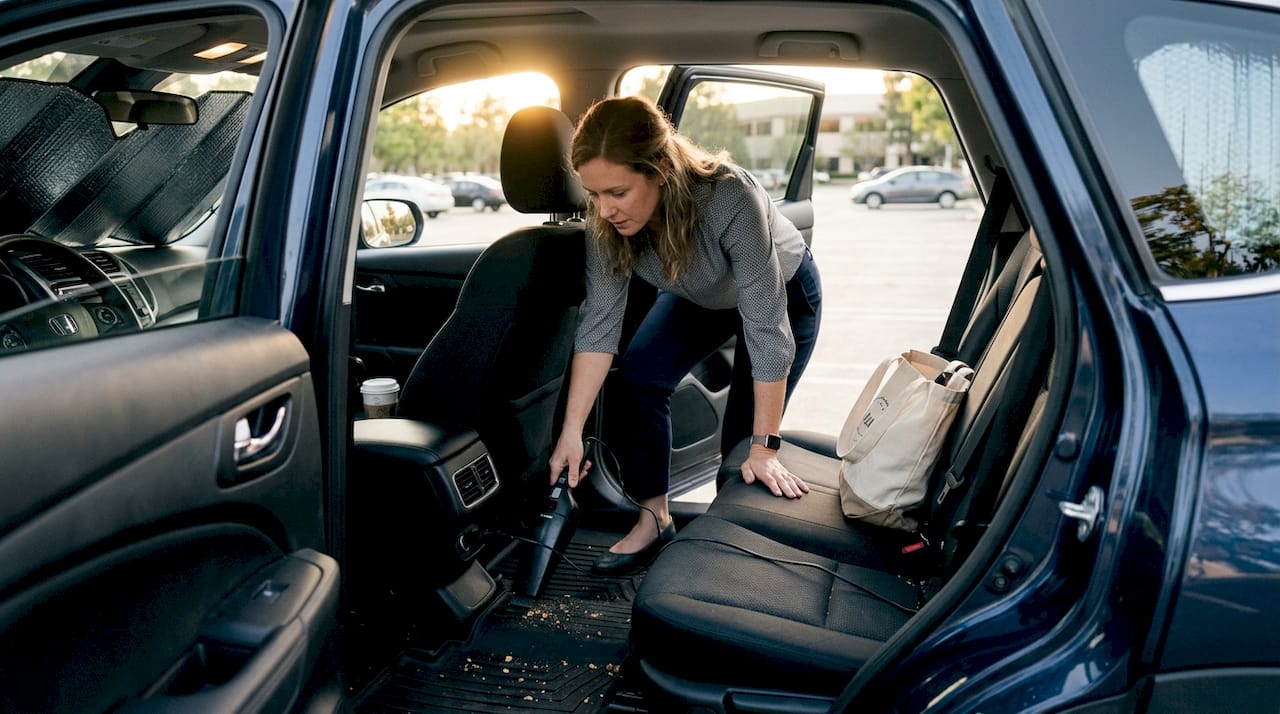
Interior maintenance is just as important, though easier to ignore. Vacuuming alone does not address bacteria trapped in seat fibers, UV damage to dashboards, or odors embedded in headliners. Proper interior care covers deep steam cleaning, stain removal, leather conditioning, and air vent treatment.
Advanced protective solutions are where appearance management separates itself from everything else:
- Ceramic coatings bond to the paint surface and repel water, UV rays, and light scratches
- Paint protection film benefits include self-healing properties and resistance to rock chips and road debris
- Window tinting reduces UV exposure and interior heat buildup
| Component | Frequency | DIY possible? |
|---|---|---|
| Exterior wash | Weekly to biweekly | Yes |
| Interior vacuum and wipe-down | Monthly | Yes |
| Paint decontamination | Every 3-6 months | Partially |
| Paint correction | As needed | Not recommended |
| Ceramic coating application | Every 2-5 years | No |
| Paint protection film | Every 5-10 years | No |
Following detailing best practices for timing and frequency is critical. Treating your car once a year and expecting lasting results is like brushing your teeth once a month and expecting perfect health.
Pro Tip: After any ceramic coating application, avoid washing your vehicle for at least 7 days. The coating needs time to fully cure and bond to the paint surface. Washing too soon compromises adhesion and shortens the coating’s effective life.
Why vehicle appearance management matters: Value, protection, and safety
Understanding core elements leads directly to why they’re so crucial for every vehicle owner.
Consistent appearance management maintains resale value and reduces repair costs, preventing accelerated depreciation caused by neglect. That is not a minor benefit. Vehicles with visibly well-maintained exteriors and interiors sell for hundreds to thousands of dollars more than comparable neglected models.
Here is what neglect actually costs you:
- Paint fading and oxidation require expensive multi-step correction or a full respray
- Interior staining and odors can reduce trade-in offers significantly
- Rust and corrosion from salt and moisture compromise structural panels and frames
- Cracked or yellowed headlights are both an aesthetic and a driving safety issue
Regular detailing benefits go beyond appearance. Clean headlights improve nighttime visibility. Clean windshields reduce glare. Properly treated tires and wheels are easier to inspect for damage before it becomes dangerous. Appearance care and vehicle safety are more connected than most owners realize.
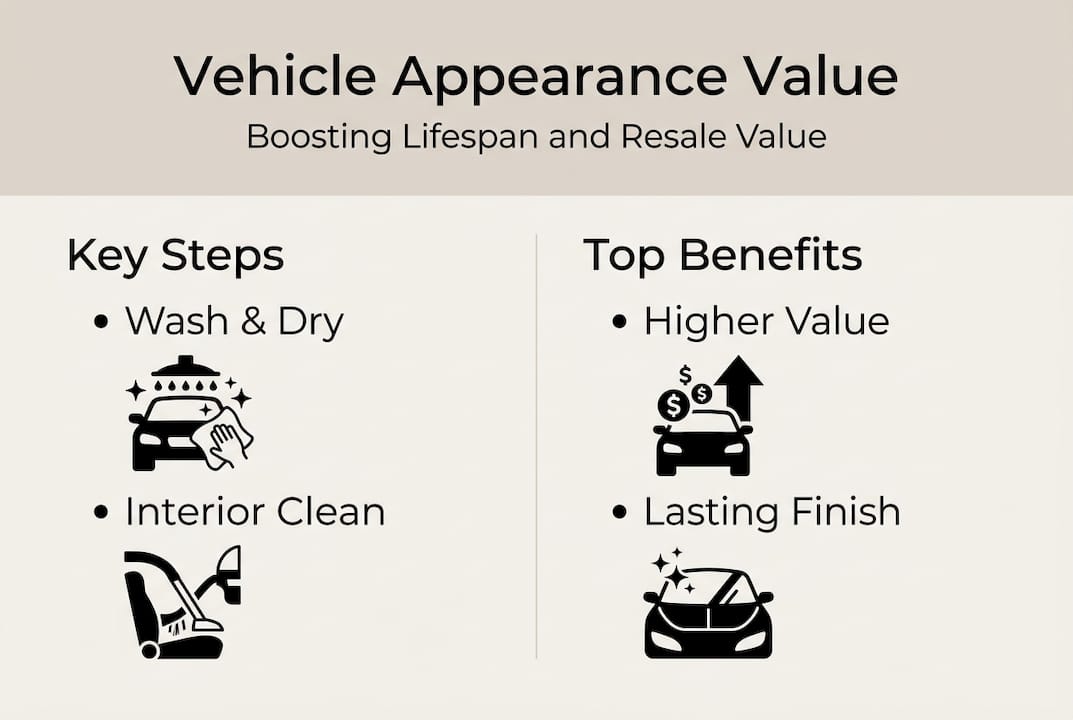
Consider this: a vehicle that receives consistent exterior and interior care throughout its life will look five to seven years newer than one that only gets occasional washes. That visual difference translates into real money. It also translates into buyer confidence. A clean, well-kept vehicle signals responsible ownership, which buyers and dealers factor into their offers.
Faulty electronics can affect appearance and performance in ways owners overlook, but physical neglect remains the most visible and financially damaging form of vehicle deterioration.
Pro Tip: Before listing your car for sale, invest in a professional detail. Studies consistently show that a clean, freshly detailed vehicle creates a stronger first impression and can reduce negotiation leverage for buyers looking to discount the price based on cosmetic condition.
For South Jersey drivers dealing with detailing for paint protection, road salt from winter months is a particularly aggressive threat. Salt residue sits on painted surfaces and in wheel wells, accelerating corrosion far faster than UV exposure alone.
Professional vs. DIY appearance management: What delivers best results?
A clear understanding of value leads naturally to the question: should you handle appearance management yourself or hire an expert?
Professional detailers use specialized tools, products, and techniques that provide superior results and long-term protection compared to basic DIY efforts. That does not mean DIY has no role. It means understanding where each approach fits.
| Factor | DIY | Professional |
|---|---|---|
| Upfront cost | Lower | Higher |
| Time required | High | Minimal for owner |
| Skill level needed | Moderate to high | Handled by expert |
| Protection longevity | Shorter | Longer |
| Risk of damage | Moderate | Very low |
| Long-term value | Moderate | High |
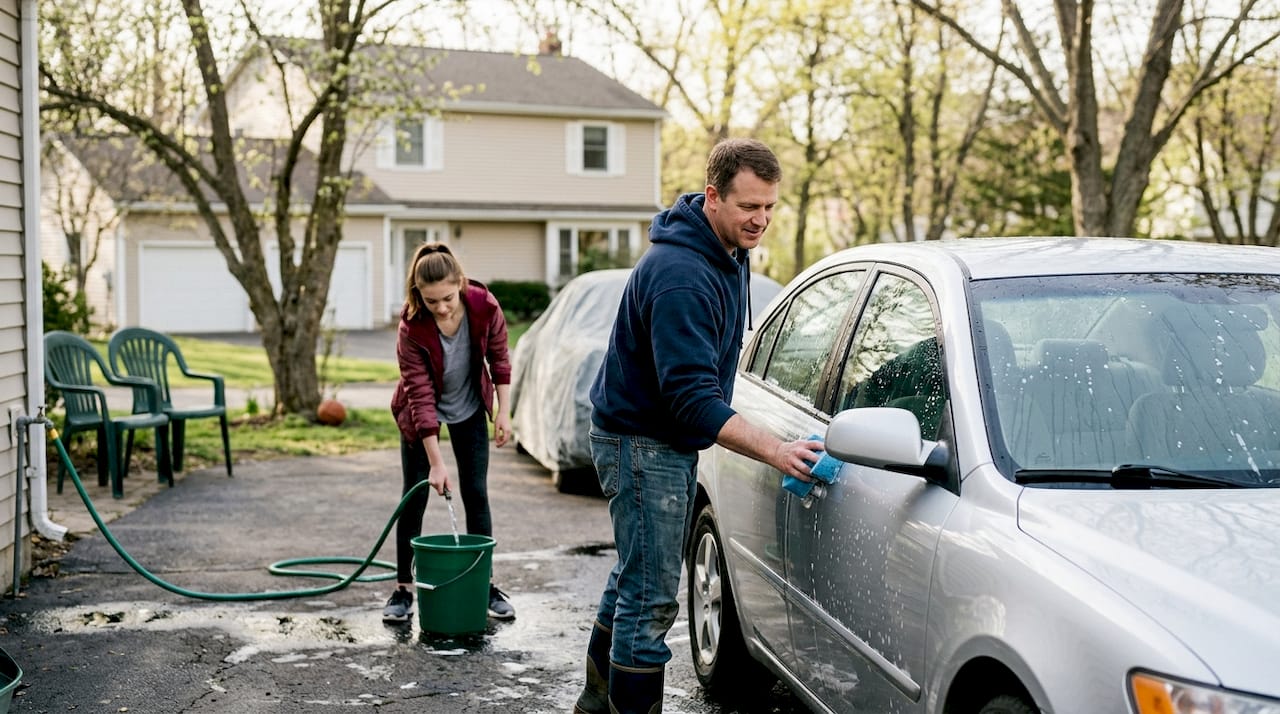
DIY works well for routine maintenance: weekly washes, interior wipe-downs, and basic tire dressing. Where it falls short is in advanced work. Applying a ceramic coating incorrectly can trap contaminants under the layer, leading to bonding failure and surface damage that costs more to fix than a professional application would have.
Here is a practical numbered approach to deciding when to call a pro:
- If the task involves chemical compounds applied directly to paint, hire a professional
- If the work requires machine polishing or paint correction, hire a professional
- If you are applying any film or long-term coating, hire a professional
- For regular washing, interior vacuuming, and surface wiping, DIY is perfectly reasonable
For detailing busy professionals, mobile detailing services eliminate the time barrier entirely. A professional comes to your home or office, handles everything, and leaves your vehicle looking like it just came off the showroom floor.
Pro Tip: Even if you DIY your regular maintenance, schedule a professional detail at least twice a year. The professional session catches buildup, contaminants, and wear patterns that routine home care misses entirely.
Getting started: Building your own vehicle appearance management plan
To put all this theory into practice, here is a simple plan to start managing your vehicle’s appearance today.
Establishing a routine paired with strategic professional detailing creates optimal outcomes for preservation and pride. Here is where to begin:
- Assess your vehicle’s current condition. Look for swirl marks, oxidation, staining, and any damage requiring correction before protection.
- Set a realistic schedule. Wash every 1 to 2 weeks, deep clean the interior monthly, and book a professional detail every 3 to 6 months.
- Choose the right products. For South Jersey conditions, prioritize products designed for salt resistance and UV protection.
- Identify what only a pro should handle. Paint correction, coatings, and film application require professional expertise and equipment.
- Plan for seasonal care. After winter, schedule a full exterior decontamination wash. Before summer, apply UV-protective coatings and treat interior surfaces prone to heat damage.
Following exterior best practices from the start saves you from having to undo preventable damage later.
Pro Tip: Start with a single-bucket wash method using a grit guard to prevent dragging dirt across your paint during DIY washes. This one habit alone dramatically reduces swirl marks over time.
Our take: Why most vehicle owners underestimate appearance management
With actionable steps in hand, here is our candid view on what holds most owners back from protecting their investment.
The biggest barrier we see is not cost. It is not time. It is the belief that a vehicle still looks fine right now, so action can wait. This mindset is the single most common reason vehicles depreciate faster than they should. Damage rarely announces itself until it becomes expensive.
Most owners operate on a reactive model: fix it when it is broken. Appearance management demands a proactive model: protect it before the damage happens. The math is straightforward. A ceramic coating applied today prevents paint correction that costs significantly more later. A scheduled detail every few months prevents the kind of deep interior damage that no detailer can fully undo.
We have also found that once owners actually experience the real value of professional detailing, the cost objection disappears. A vehicle that looks sharp, smells clean, and feels well-kept is simply more enjoyable to own and more valuable to sell. The occasional wash approach might feel like saving money. In practice, it is an expensive habit.
Enhance your vehicle’s look with trusted South Jersey experts
If you want results that last, consider getting help from local professionals dedicated to appearance management.
At CDC Auto Detailing, we bring professional-grade mobile detailing directly to South Jersey vehicle owners who want real, lasting results without the hassle of driving to a shop. From paint correction to ceramic coatings and paint protection film, every service we offer is designed to protect your investment and keep your vehicle looking its best year-round.
Explore our full range of detailed auto service options and see exactly how auto detailing works from start to finish. Ready to take the first step? Book mobile detailing directly through our website and we will handle the rest at your location.
Frequently asked questions
What’s the difference between car washing and vehicle appearance management?
Car washing is basic surface cleaning, while appearance management includes advanced cleaning, protection, and restoration for long-term beauty and value. One removes dirt; the other preserves and enhances the entire vehicle.
Does appearance management really boost a car’s resale value?
Yes. Consistent management maintains resale value and reduces repair costs, and a well-maintained vehicle commands a higher price and sells faster than one with neglected aesthetics.
How often should I detail my car for proper appearance management?
Most experts recommend detailing every 3 to 6 months, though South Jersey drivers may need more frequent attention due to salt, pollen, and humidity. A regular schedule creates the best long-term preservation outcomes.
What aspects of appearance management should only professionals handle?
Paint correction, ceramic coating application, and deep interior restoration require professional expertise and equipment. Specialized professional tools deliver superior results that DIY methods simply cannot match safely or reliably.