
TL;DR:
- Graphene coatings form a durable, chemically bonded barrier that surpasses traditional ceramic and wax protections.
- They provide superior water repellency, heat dissipation, and resistance to environmental damage like salt, UV, and scratches.
- Proper professional application and maintenance extend graphene’s lifespan to over six years, especially in harsh climates.
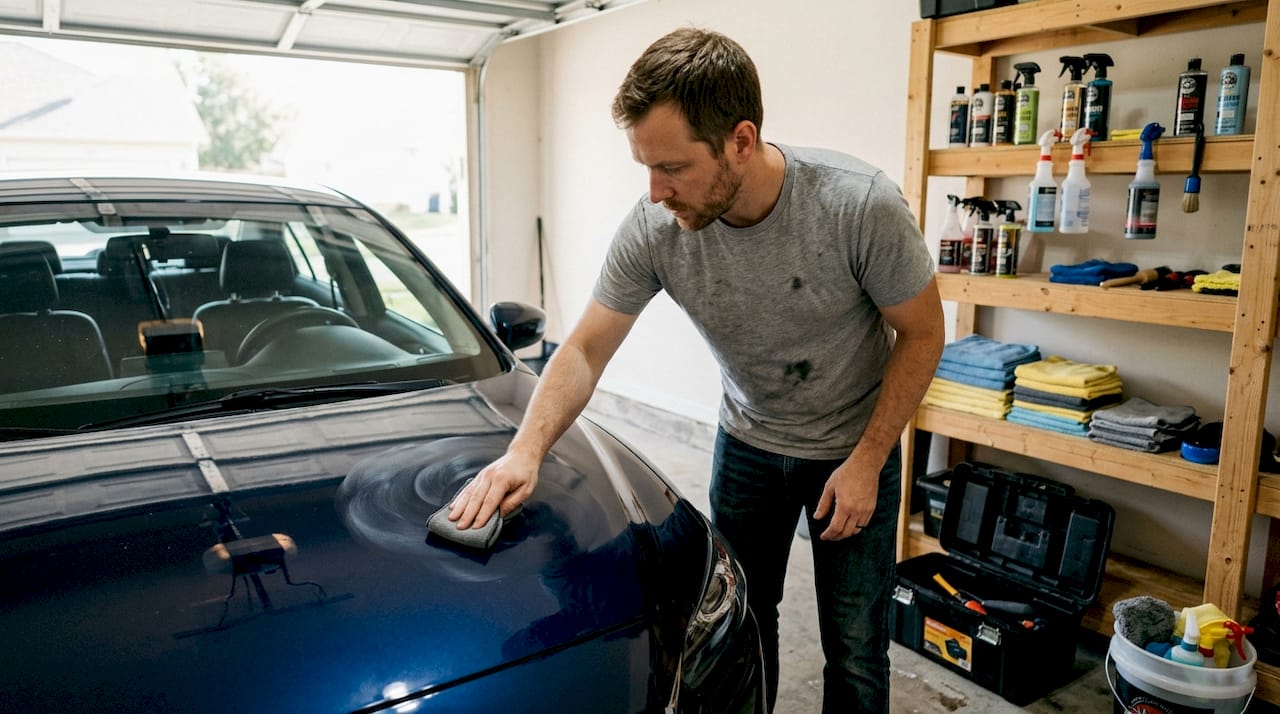
Most car owners assume all paint coatings work roughly the same way. Wax, sealant, ceramic — they all protect the paint, right? Not quite. Graphene coatings represent a genuine leap forward in how we protect vehicle finishes, and the differences are measurable, not just marketing language. If you drive in South Jersey, where road salt, summer heat, and humidity put real stress on your car’s exterior, understanding what graphene coating actually does could change how you think about vehicle care entirely. This guide breaks down what graphene coating is, how it protects your car, and whether it’s the right investment for you.
Table of Contents
- What is graphene coating?
- How graphene coating protects your vehicle
- Graphene vs. ceramic: Key differences, performance, and value
- Application and maintenance tips for graphene-coated cars
- Rethinking vehicle protection: What most owners miss about graphene
- Take the next step in vehicle protection
- Frequently asked questions
Key Takeaways
| Point | Details |
|---|---|
| Advanced protection | Graphene coatings offer unmatched durability and resistance compared to traditional solutions. |
| Long-term value | A professionally applied graphene coating can last 3 to 7 years with proper care. |
| Less maintenance | You’ll wash and detail less often thanks to graphene’s hydrophobic and anti-static properties. |
| Informed choice | Understanding coating differences helps you choose the best protection for your climate and driving habits. |
What is graphene coating?
Graphene coating is not just another wax with a fancy name. It’s a fundamentally different class of protection, built on materials science that most car care products haven’t touched. A graphene coating is a liquid-applied protective layer that incorporates graphene derivatives like Graphene Oxide (GO) or Reduced Graphene Oxide (rGO) into a silicon dioxide (SiO2) ceramic polymer matrix, chemically bonding to form a semi-permanent, durable barrier. That’s a mouthful, so let’s unpack it.
Graphene itself is a single layer of carbon atoms arranged in a hexagonal lattice. It’s famously strong, incredibly thin, and highly conductive. When graphene derivatives are blended into a ceramic carrier and applied to your car’s paint, the result is a coating that bonds at the molecular level rather than just sitting on top of the surface. Traditional waxes sit on top of the paint and wash away. Standard ceramic coatings bond better but still have limitations in flexibility and heat handling. Graphene-enhanced coatings address both.
Here’s what makes graphene coatings structurally unique:
- Molecular bonding: The coating forms a chemical bond with the clear coat, not just a surface layer
- Flexible matrix: Graphene adds flexibility to the ceramic base, reducing the chance of micro-cracking
- Thermal conductivity: Graphene dissipates heat faster than ceramic alone, which matters on hot summer days
- Extreme thinness with high strength: A graphene layer is one atom thick but stronger than steel at scale
Understanding why protective coatings matter starts with recognizing that your car’s paint is under constant attack from UV rays, chemicals, and physical abrasion. Graphene coatings are engineered to handle all three simultaneously.
“Graphene coating is a liquid-applied protective layer for car paint that incorporates graphene derivatives like Graphene Oxide (GO) or Reduced Graphene Oxide (rGO) into a silicon dioxide (SiO2) ceramic polymer matrix, chemically bonding to form a semi-permanent, durable barrier.”
The result is a surface that repels water, resists scratches, and stays cleaner longer — all from a coating that’s thinner than a human hair.
How graphene coating protects your vehicle
With a basic understanding of graphene coating’s structure, let’s see how its unique properties translate into real-world protection every time you hit the road.
The most visible benefit is water behavior. Graphene coatings produce exceptional hydrophobicity, meaning water beads up and rolls off the surface instead of spreading and sitting. This matters because standing water carries contaminants. When water sheets off cleanly, it takes dirt, pollen, and road grime with it. For South Jersey drivers dealing with spring pollen and summer rain, this is a genuine quality-of-life improvement.
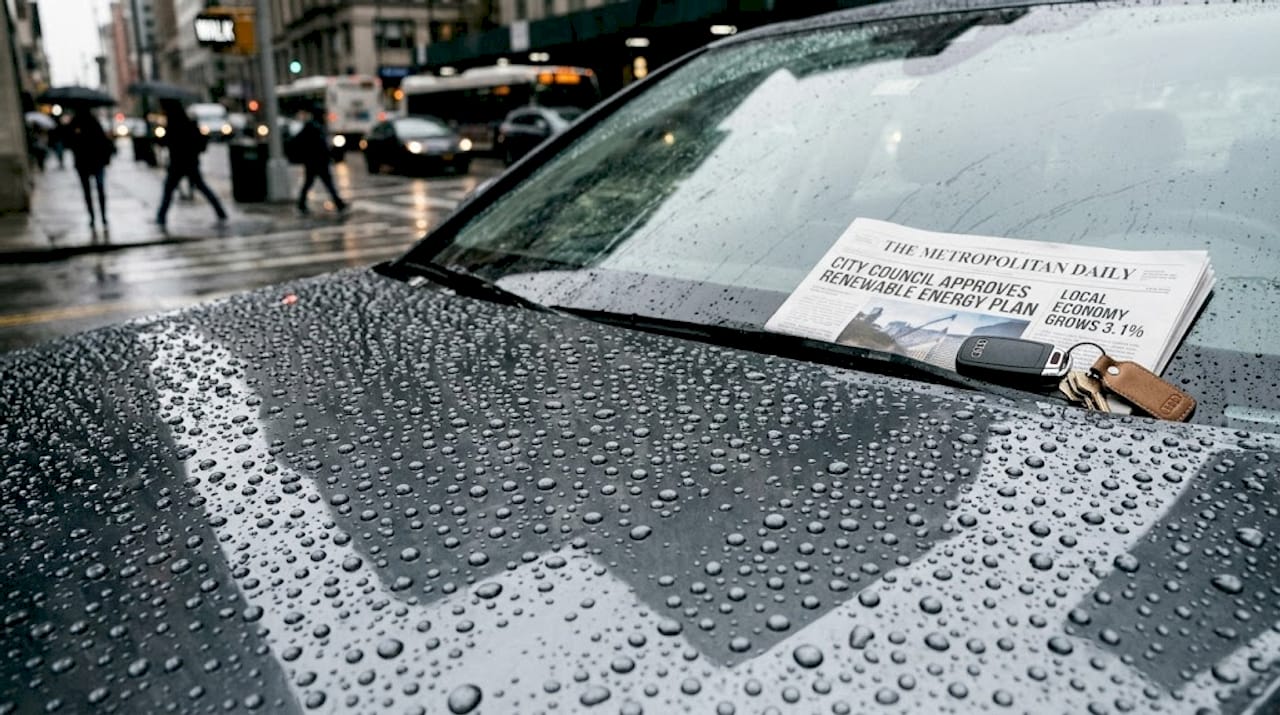
Graphene also has enhanced hydrophobicity, heat dissipation, anti-static properties reducing dust attraction, superior resistance to abrasion, chemicals, UV rays, and corrosion compared to traditional ceramic coatings. That anti-static property is easy to overlook but surprisingly useful. A statically charged surface attracts dust like a magnet. Graphene’s conductivity neutralizes that charge, so your car stays cleaner between washes.
Here’s a practical breakdown of what graphene coating defends against:
- Road salt: South Jersey winters mean salt exposure. Graphene resists corrosion and prevents salt from reaching the paint
- Bird droppings and tree sap: Both are acidic. The chemical resistance of graphene coating prevents etching
- UV degradation: The coating blocks UV rays that cause oxidation and fading over time
- Harsh cleaners: Accidental contact with strong detergents won’t strip or damage a graphene-coated surface
- Abrasion: Light scratches from brushes, branches, or road debris are far less likely to penetrate
Understanding how coatings prevent damage puts these benefits in context. Each threat you eliminate is one less repair bill down the road.
Pro Tip: Heat dissipation is especially relevant in South Jersey summers. A dark-colored car parked in direct sun can reach surface temperatures above 150°F. Graphene’s thermal conductivity spreads that heat more evenly, reducing the stress on your paint and the coating itself. This is one reason graphene outperforms standard ceramic in hot climates over the long term.
For those weighing all their options, exploring paint protection options alongside graphene coating gives you a complete picture of what’s available.
Graphene vs. ceramic: Key differences, performance, and value
If you’re also considering ceramic coating — or just want to know why graphene is making a splash — let’s break down the real differences head-to-head.
Ceramic coatings have been the gold standard for serious car owners for over a decade. They’re durable, hydrophobic, and far superior to wax. Graphene coatings build on that foundation and push the performance higher in several measurable ways.
Durability benchmarks show graphene coatings lasting 3 to 7+ years with proper maintenance, outperforming ceramic’s 2 to 5 years. EIS and salt spray tests confirm superior corrosion resistance, and real-world results show better gloss retention and hydrophobicity after repeated washes. That’s not a small gap.
| Feature | Graphene coating | Ceramic coating |
|---|---|---|
| Lifespan | 3 to 7+ years | 2 to 5 years |
| Hydrophobicity | Very high | High |
| Heat dissipation | Excellent | Moderate |
| Anti-static | Yes | No |
| Water spot resistance | Superior | Good |
| Flexibility | Higher | Lower |
| Typical cost | $800 to $2,000+ | $500 to $1,500+ |
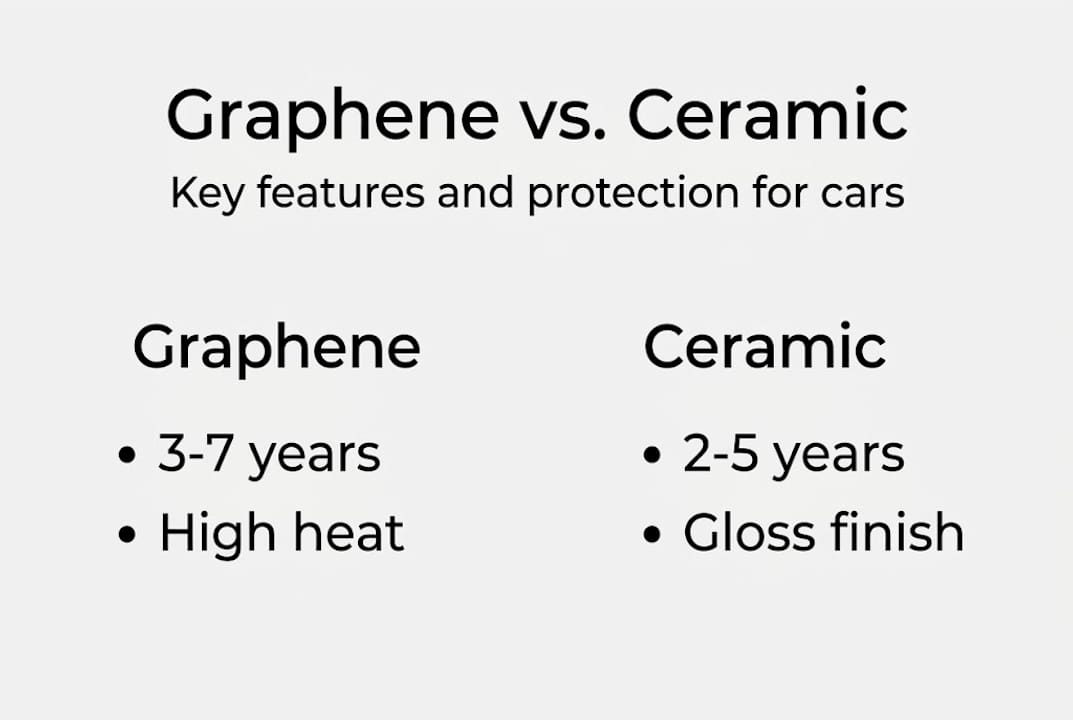
In harsh conditions like salt and heat, graphene maintains beading and slickness 18 to 24+ months longer than sprays or standard ceramics per installer data, with hybrid options offering the best overall value. That extended performance window is what makes graphene worth the price premium for many South Jersey owners.
Who gains the most value from upgrading to graphene?
- Owners who keep their vehicles for 5 or more years
- Anyone who parks outdoors regularly and faces UV, rain, and temperature swings
- Drivers in coastal or high-salt environments
- Fleet operators looking to reduce detailing frequency and protect resale value
- Car enthusiasts who want maximum gloss with minimal maintenance
Hybrid coatings, which blend graphene and ceramic chemistry, are worth mentioning here. They offer a middle-ground price point while capturing most of graphene’s performance advantages. If full graphene feels like too big a jump, a hybrid is a smart step up from standard ceramic.
For a deeper look at how ceramic coatings work, the ceramic coating guide covers the fundamentals. You can also review ceramic application steps to understand what the process involves. Businesses managing multiple vehicles should look into coatings for fleets for cost-effective protection at scale.
Application and maintenance tips for graphene-coated cars
Understanding the science and benefits is great, but what really matters is how you apply and maintain a graphene coating for the long haul.
Professional installation is not optional if you want full performance. The process typically involves a thorough wash and decontamination, paint correction to remove swirls and scratches, surface prep with an isopropyl alcohol wipe-down, careful application of the graphene coating in controlled sections, and a curing period of 24 to 48 hours before water exposure. Skipping any step compromises the bond and shortens the coating’s life.
| Service tier | Estimated cost | Expected lifespan |
|---|---|---|
| Entry-level graphene | $600 to $900 | 2 to 3 years |
| Mid-tier professional | $900 to $1,400 | 3 to 5 years |
| Premium multi-layer | $1,400 to $2,200+ | 5 to 7+ years |
With proper maintenance, graphene coatings last 3 to 7+ years, well beyond what most ceramic options deliver. But that lifespan depends on how you care for the surface after installation.
Here are the best practices for maintaining a graphene-coated vehicle:
- Wash every two weeks using a pH-neutral car shampoo
- Use a soft microfiber wash mitt and rinse thoroughly before contact washing
- Avoid automatic car washes with harsh brushes
- Apply a graphene-compatible spray booster every 3 to 6 months
- Remove bird droppings and tree sap within a few hours to prevent staining
- Avoid parking under trees that drop sap or heavy debris regularly
Pro Tip: Watch for early signs of coating wear, including water that no longer beads tightly, a duller gloss, or increased water spotting. Catching these signs early means a simple booster application can restore performance without a full recoat. Waiting too long means the coating has degraded past the point of easy recovery.
For seasonal care, winter maintenance tips for coated vehicles are worth reviewing before the first frost. The coating maintenance guide provides a year-round routine, and application tips walk through what the professional process looks like in detail.
Rethinking vehicle protection: What most owners miss about graphene
Here’s the honest take after working with coatings across many different vehicles and conditions: graphene is not a magic solution that makes your car maintenance-free. What it is, is a significant upgrade for owners who are willing to do the basics correctly.
The biggest mistake we see is owners investing in a premium coating and then running their car through an abrasive tunnel wash every week. The coating degrades faster than it should, and the owner blames the product. Surface prep and ongoing care matter more than the coating brand on the bottle.
Graphene genuinely excels in harsh environments. South Jersey’s combination of road salt in winter, intense summer heat, and coastal humidity makes it one of the better use cases for graphene over standard ceramic. If you drive a daily commuter that sits outside year-round, the upgrade pays for itself in reduced paint correction costs alone.
Choosing a coating should fit your actual lifestyle, not the most impressive spec sheet. If you’re leasing a car for two years, a basic sealant makes more sense. If you’re keeping a vehicle for a decade and want hydrophobic long-term protection with less hands-on upkeep, graphene is hard to beat. Match the product to the plan.
Take the next step in vehicle protection
If this guide has made one thing clear, it’s that not all coatings are built the same, and your South Jersey vehicle deserves protection that actually matches the conditions it faces.

At CDC Detailing, we specialize in advanced protective solutions including ceramic and graphene coatings tailored to your vehicle and driving habits. Whether you want to explore auto detailing examples to see what’s possible or add paint protection film for an extra layer of defense, we’re here to help you make the right call. Reach out to schedule a consultation and get a personalized recommendation based on your car, your climate, and your goals.
Frequently asked questions
How long does a graphene coating really last on a car?
With professional application and basic care, graphene coatings typically last 3 to 7+ years, outperforming most ceramic options which average 2 to 5 years.
What’s the main advantage of graphene coating over ceramic coating?
Graphene coatings deliver superior heat dissipation and anti-static properties alongside better resistance to water spots, abrasion, and chemicals, making them more durable under tough real-world conditions.
Can graphene coatings be applied on older vehicles or only new ones?
Graphene coatings work well on both new and older vehicles, provided the surface is professionally cleaned, decontaminated, and paint-corrected before application.
Do graphene coatings eliminate the need for waxing?
Yes, once graphene is applied, routine waxing is unnecessary and can actually interfere with the coating’s hydrophobic performance over time.
Is graphene coating safe for all paint colors and finishes?
Graphene coatings are safe for all factory paint colors and finishes, though you should always consult your installer if your vehicle has a custom, matte, or rare specialty finish.