
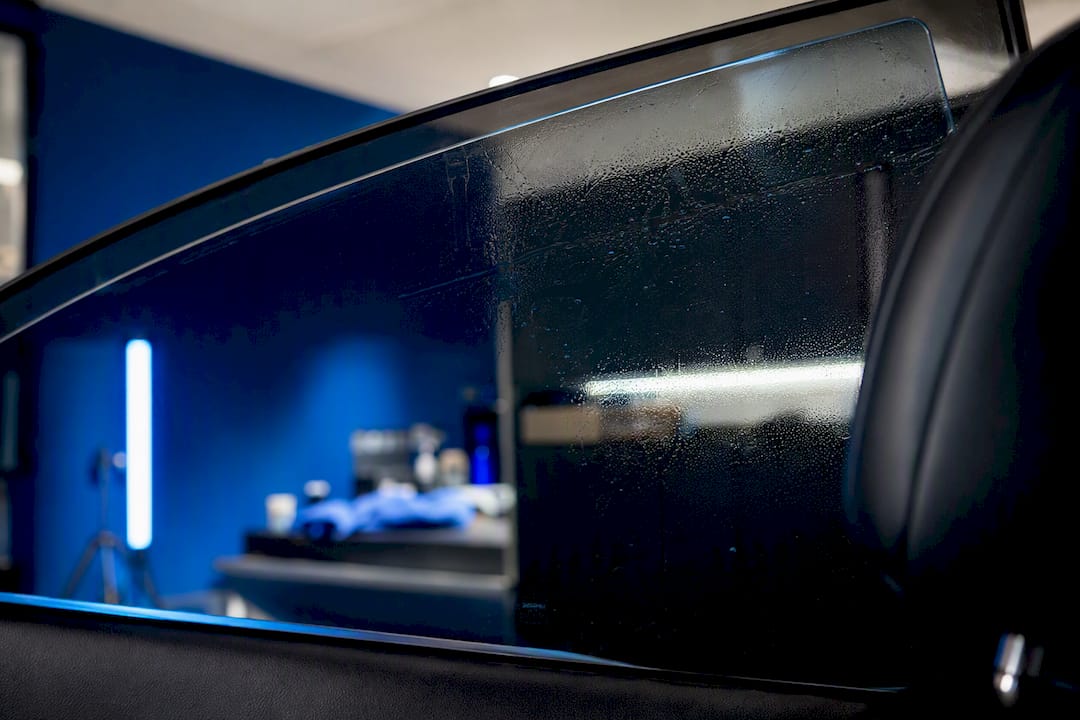
Your tint is protected by two separate warranties: the film manufacturer covers material defects like bubbling and adhesive failure, while your installer covers workmanship issues like edge lift and dirt under the film. Manufacturers typically limit remedies to film replacement only, capped at your original invoice value, and installers often add labor coverage on top of that. The paperwork you keep, and how closely you follow post-install cure and cleaning rules, decides whether either warranty holds up when you need it.
TL;DR:
- Most manufacturer warranties for tint only replace the film and require registration, with remedies capped at the original invoice value.
- Installer warranties often cover labor for workmanship issues like edge lift or dirt, but only if the installation was done by an authorized dealer.
- Bubble formation during the first 30 to 60 days is common and usually not a defect unless persistent afterward, when it signals adhesive failure.
- Warranties are voided by damage caused by physical impact, improper cleaning, scraping, or unauthorized removal, not by normal wear or aging.
- Keeping detailed records, including registration and photos, and avoiding touching or cleaning the film during curing greatly improves the chances of warranty coverage.
Table of Contents
- Manufacturer Warranty vs. Installer Warranty: Who Covers What
- What Does a Tint Warranty Actually Cover?
- What Voids a Tint Warranty?
- Lifetime vs. Limited-Term Tint Warranties: What the Fine Print Means
- How to File a Tint Warranty Claim
- How to Protect Your Tint Warranty After Installation
- How CDC Auto Detailing Documents Every Tint Installation
- Tint Warranties Reward Owners Who Do the Boring Stuff Right
- Get Tint Installed With Warranty Documentation Handled for You
- Sources
Manufacturer Warranty vs. Installer Warranty: Who Covers What
Two different parties stand behind your tint, and they’re responsible for two different kinds of problems.
The manufacturer warranty covers defects in the film itself: adhesive that fails, dye that shifts color, layers that separate. This warranty comes from the film brand, not the shop that installed it, and it usually requires the film to have been installed by an authorized or certified installer. Some premium film lines carry lifetime-limited coverage that runs for as long as the original owner has the vehicle, backed by manufacturers like ASWF, which requires registration with master roll numbers to validate any claim.
The installer (workmanship) warranty covers mistakes made during application: trapped dust, misaligned edges, or poor trim work around window seals. This warranty comes from the shop, not the film brand, and it’s the one that usually gets you free labor if something needs fixing.
- Manufacturer warranty: material defects, filed through the film brand, remedy is typically replacement film only.
- Installer warranty: workmanship errors, filed with the shop, often includes labor and reinstallation.
- Both usually require proof the film was installed by a certified or authorized dealer.
One more thing worth knowing: if you’re worried that tinting could jeopardize your vehicle’s factory warranty, the Magnuson-Moss Warranty Act prevents a dealer from denying a factory claim just because you added aftermarket tint. They’d have to prove the tint actually caused the specific problem, which is a much higher bar than dealers often imply.
What Does a Tint Warranty Actually Cover?
Warranty coverage centers on a short list of predictable failure modes, and knowing them helps you tell a defect from normal wear.
- Bubbling that shows up weeks or months after installation, once the film has fully cured, usually signals adhesive failure.
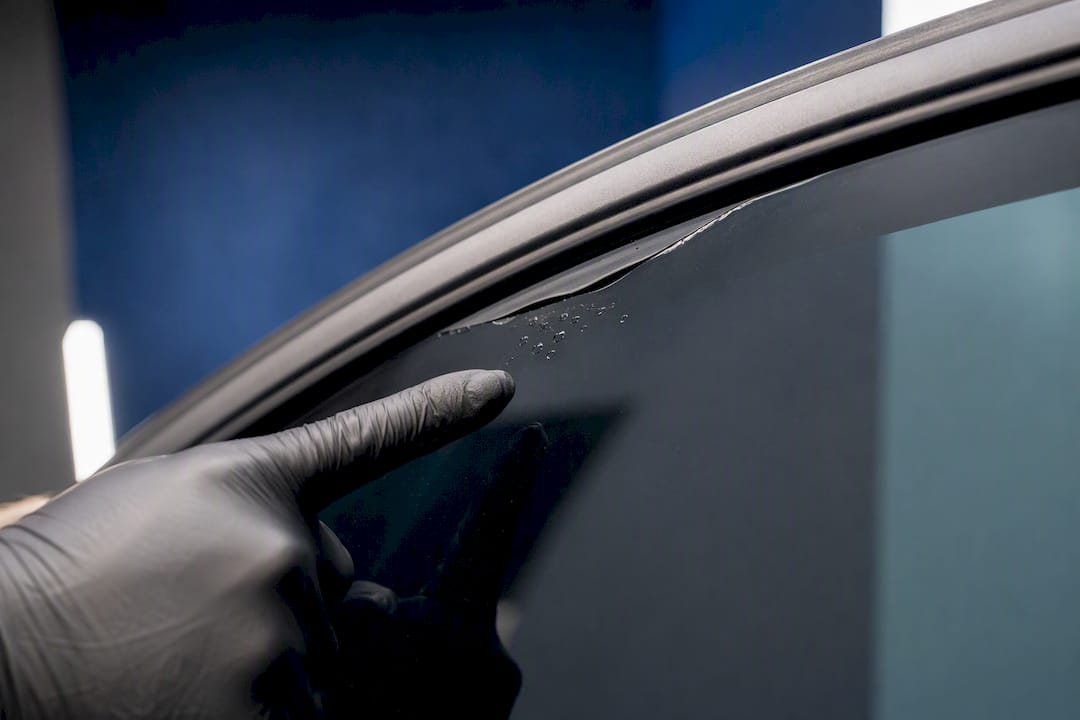
- Peeling or edge lift, where the film separates at the corners or window frame.
- Delamination, where internal film layers split apart, often creating a cloudy or textured look.
- Color shift or purpling, common in older dyed films exposed to UV over years.
- Cracking that isn’t tied to a rock chip or glass break.
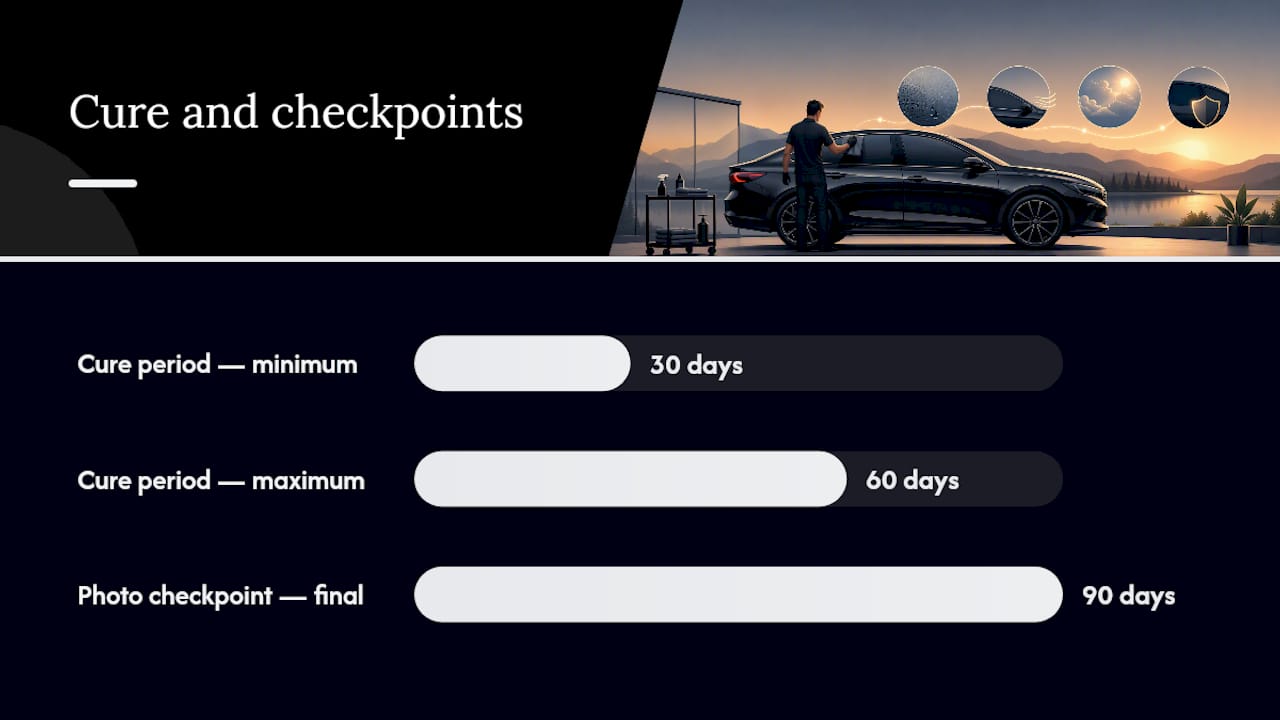
Statistic to know: manufacturers and installers commonly advise a curing window of 30 to 60 days before you clean the glass or roll the windows down. Bubbles or hazy patches that appear during that window are usually just moisture working its way out, not a defect. Bubbling that persists well past the cure period is a different story. That’s typically treated as adhesive or lamination failure, and it’s the kind of claim manufacturers actually honor.
Remedies stay narrow either way. Most manufacturers replace the defective film and stop there. Labor to remove and reinstall it falls on the installer’s warranty, if that coverage was included at purchase, and claims are usually capped at the original invoice value, not the cost of a full re-tint at today’s prices.
What Voids a Tint Warranty?
Warranties protect against defects, not damage you cause or allow. The exclusions list is where most claims actually get denied, and it’s worth reading before you ever book an install.
- Physical damage from accidents, break-ins, or vandalism.
- Cleaning with ammonia-based glass cleaners, which breaks down the film’s dye and adhesive over time.
- Suction-cup mounts, parking permits, or toll transponders stuck directly to tinted glass.
- Scraping the film with razor blades or abrasive pads.
- Unauthorized removal or reinstallation by someone other than the original or an approved installer.
- Pre-existing scratches or defects in the glass itself, which aren’t the film’s fault.
Exclusion lists vary by manufacturer, and some brands are stricter than others about things like static clings or window-tint removal tools sold at auto parts stores. That’s why the written warranty terms matter more than whatever the salesperson tells you verbally. A shop’s word doesn’t override the fine print on the manufacturer’s actual warranty card.
Pro Tip: Ask to see the manufacturer’s written exclusions before you pay, not after. A five-minute read can save you a denied claim two years down the road.
Lifetime vs. Limited-Term Tint Warranties: What the Fine Print Means
“Lifetime” sounds generous until you read what it’s actually limited to. Most lifetime-limited warranties apply only to the original owner of the vehicle, which means the coverage effectively ends the day you sell the car. Fixed-term warranties, by contrast, typically run 3 to 10 years and are more common on mid-tier films.
Both formats share the same practical limits: remedies capped at invoice value, no coverage for labor unless it’s stated separately, and mandatory registration to activate coverage at all. Some warranties also prorate the payout the longer you’ve owned the film, so a defect discovered in year eight might get you a fraction of the original film cost, not a full replacement.
Before you commit to any film, ask these questions:
- Is this warranty tied to me as the original owner, or does it transfer with the car?
- Does the manufacturer prorate remedies based on how long I’ve owned the film?
- Is labor included, or is that a separate cost even under warranty?
- What’s the registration deadline, and who’s responsible for submitting it?
A shorter warranty with clear labor coverage often protects you better than a decades-long one riddled with exclusions and prorating.
How to File a Tint Warranty Claim
Filing a claim isn’t complicated, but skipping a step can stall it for weeks. Here’s the order that actually works:
- Contact your installer first, not the manufacturer. The shop inspects the film to confirm the issue is a genuine defect rather than damage or normal wear.
- Let the installer initiate the manufacturer claim if the defect looks material rather than workmanship related. Reputable shops handle this paperwork directly.
- Gather your documents: the original invoice, your warranty card or registration with the master roll numbers, photos of the defect, and your vehicle’s make, model, and installation date.
- Expect a replacement-only remedy in most cases, capped at your invoice amount, per standard manufacturer terms like those Tint Club publishes. Labor coverage depends entirely on what your installer’s own workmanship warranty promises.
Claims without registration on file are the single most common reason manufacturers reject an otherwise valid defect, according to guidance from 3M’s warranty resources. If you never registered the film, start there before assuming you have no recourse.
How to Protect Your Tint Warranty After Installation
The days right after installation matter more than most owners realize.
- Leave your windows up for the full cure period, typically 30 to 60 days, so the adhesive sets without being disturbed by the window seal.
- Skip cleaning the glass entirely during that window. Any moisture or small bubbles you see are usually part of curing, not a defect.
- Once cured, clean with ammonia-free glass cleaner and a soft microfiber cloth. Diamondbrite’s streak-free glass cleaning method works well on tinted windows without the harsh chemicals that degrade film over time.
- Avoid razor blades, abrasive pads, or anything that scrapes the film surface directly.
- Watch for bubbling that shows up after the cure period ends, edges that start lifting, or any noticeable color shift. Those are the signs worth a warranty inspection, not a wait-and-see approach.
Pro Tip: Snap a few photos of your tint at 30, 60, and 90 days after install. If a defect shows up later, dated photos make your claim far easier to support.
For a deeper look at what happens during a professional install, CDC Auto Detailing’s step-by-step tinting guide walks through what a proper application actually looks like from start to finish.
How CDC Auto Detailing Documents Every Tint Installation
Warranty support only works if the paperwork exists, so Cdcautodetailing builds documentation into every install rather than treating it as an afterthought. Every completed job comes with an invoice, the exact film product name, its VLT rating, and the roll numbers manufacturers require for registration, along with written care instructions covering cure time and cleaning.
That mirrors what brands like ASWF and 3M ask for when validating a claim, which means customers aren’t scrambling for missing details months later. Cdcautodetailing also backs its own workmanship with a mobile follow-up option, so if edge lift or trim issues turn up, a technician can inspect the vehicle on-site rather than requiring a shop visit. For readers weighing film options before installation, the window tint UV protection guide breaks down why premium films tend to carry stronger manufacturer backing in the first place.
Tint Warranties Reward Owners Who Do the Boring Stuff Right
Most warranty advice online focuses on comparing lifetime claims across brands, as if the length of the promise is what matters most. That’s backwards. A ten-year warranty you never registered is worth exactly nothing, and a five-year warranty with clear labor coverage and a documented registration process beats it every time a real defect shows up.
The conventional wisdom oversells the term length and undersells the paperwork. Manufacturers and installers alike will tell you the same thing if you ask directly: the customers who get smooth claims are the ones who kept an invoice, registered the film with the roll numbers, and left their windows alone for the cure period. Everyone else spends weeks arguing about whether a bubble is a defect or a cleaning mistake.
If you’re installing tint soon, prioritize the boring part first. Confirm registration happens automatically, get the care instructions in writing, and don’t touch the glass for those first 30 to 60 days. The film itself matters less than most people assume. What matters is whether someone kept the receipt.
— Charles
Get Tint Installed With Warranty Documentation Handled for You
Cdcautodetailing removes the paperwork guesswork that trips up most tint warranty claims. Every mobile installation comes with the invoice, film details, VLT rating, and roll numbers already documented and ready for manufacturer registration, so you’re never scrambling for a missing form when a real defect shows up.

Beyond the documentation, you get workmanship backed by a technician who can inspect your vehicle on-site rather than sending you back to a shop. If you’re comparing film options first, the window tinting guide covers what separates entry-level film from the premium lines that carry stronger manufacturer coverage. When you’re ready, request a quote for professional installation and ask specifically about warranty registration before your appointment, so coverage is active from day one.
Sources
- Magnuson-Moss Warranty Act (Auto Care Association)
- Warranty – Automotive (ASWF)
- Warranty information (Tint Club)
- Warranty resources (3M)